




Remote Access Solutions are transforming modern agriculture, as farms and agribusinesses increasingly rely on software platforms to manage operations, monitor equipment, track inventory, and analyze production data. As agricultural operations expand across multiple locations, accessing these systems efficiently becomes a major challenge. Remote access technology allows farm managers and operational teams to stay connected to critical systems regardless of location.
Using a remote access management platform enables agricultural businesses to securely connect to centralized management software while maintaining operational continuity. By removing geographical barriers, remote access solutions help farms modernize workflows and improve decision-making.
The Growing Need for Digital Connectivity with Remote Access Solutions
Digital tools are now deeply integrated into modern farming practices. From crop management software to financial planning systems, data-driven platforms play a central role in improving efficiency.
Managing Distributed Agricultural Operations
Many agricultural businesses operate across multiple farms, warehouses, and processing facilities. Coordinating data between these locations can be complex. Remote access allows teams to connect to centralized systems without physically traveling between sites, saving time and reducing operational costs.
Supporting Real-Time Decision Making
Access to real-time data enables farm managers to respond quickly to changing conditions. Weather patterns, equipment performance, and inventory levels can be monitored remotely, allowing faster and more informed decisions.
Improving Equipment Monitoring and Maintenance with Remote Access Solutions
Modern agricultural equipment is increasingly connected to digital monitoring systems. Tractors, irrigation systems, and harvesting equipment generate valuable performance data.
Remote Diagnostics and Monitoring
Remote access allows technicians and managers to review equipment performance from any location. Early detection of issues helps prevent costly breakdowns and reduces downtime during critical farming seasons.
Streamlining Maintenance Scheduling
By accessing maintenance platforms remotely, teams can plan servicing schedules more efficiently. This ensures equipment remains operational while minimizing disruptions to production cycles.
Enhancing Collaboration Between Office and Field Teams
Agricultural operations depend on coordination between administrative staff and field workers. Remote access bridges the communication gap between these groups.
Centralized Application Access
Remote access enables employees to use the same management software regardless of their location. Field supervisors can enter data directly into centralized systems, while office teams can instantly view updates and generate reports.
Improving Workflow Efficiency
By eliminating manual data transfers and paperwork, remote access reduces delays and errors. Teams collaborate more effectively when information flows seamlessly between departments.
Strengthening Data Security in Agriculture
As agricultural operations become more digital, protecting sensitive data becomes increasingly important. Financial records, production data, and customer information must remain secure.
Secure Access Controls
Remote access platforms allow administrators to control user permissions and restrict access based on job roles. Only authorized users can connect to critical systems, reducing the risk of data breaches.
Encrypted Connections
Secure communication channels protect data transmitted between users and servers. Encryption ensures that sensitive agricultural information remains protected from interception and unauthorized access.
Supporting Mobile Workforce Access
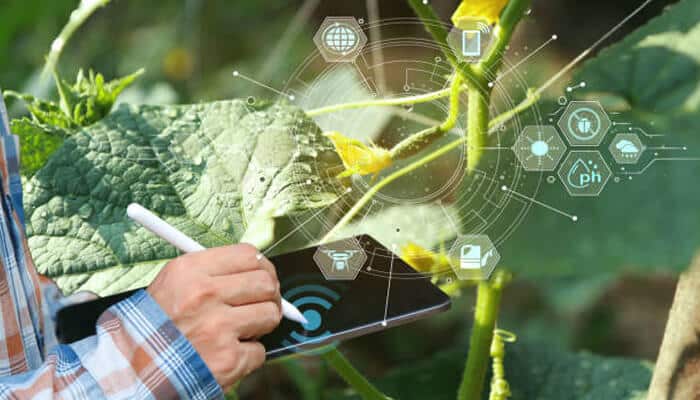
Many agricultural workers operate outside traditional office environments. Remote access technology supports mobile workforces by enabling system access from laptops, tablets, and smartphones.
Access from Remote Locations
Farm managers traveling between sites can securely connect to management platforms from anywhere. This flexibility supports faster response times and continuous oversight of operations.
Enabling Seasonal Workforce Management
During peak seasons, agricultural businesses often hire temporary workers. Remote access simplifies onboarding by allowing new users to connect to centralized systems without complex software installations.
Scalability and Infrastructure Optimization with Remote Access Solutions
As agribusinesses grow, IT infrastructure must adapt to increased demand. Remote access solutions help organizations scale efficiently.
Reducing Hardware Dependency
Centralized application hosting reduces the need for high-performance hardware at every location. Users access powerful servers remotely, lowering equipment costs and simplifying upgrades.
Supporting Business Expansion
Remote access makes it easier to integrate new farms or facilities into existing systems. Businesses can expand operations without building complex IT infrastructures at each site.
Using a solution such as TSplus Remote Access enables agricultural companies to scale digital operations while maintaining centralized control and consistent performance.
Future Trends in Digital Agriculture
Technology continues to reshape agricultural operations. Remote access will play an increasingly important role in future farming environments.
Integration with Smart Farming Technologies
IoT sensors, automation systems, and AI-powered analytics are becoming more common in agriculture. Remote access allows operators to manage these technologies from centralized dashboards, improving efficiency and sustainability.
Supporting Sustainable Farming Practices
Data-driven farming helps optimize water usage, fertilizer application, and crop planning. Remote access enables continuous monitoring of sustainability metrics and supports environmentally responsible farming strategies.
Conclusion
Remote access solutions are transforming agricultural management systems by enabling real-time connectivity, improving collaboration, and enhancing operational efficiency. From equipment monitoring to centralized data management, these technologies support modern farming practices and business growth. As agriculture continues to adopt digital tools, remote access will remain a critical component for improving productivity, security, and long-term sustainability across the industry.
