


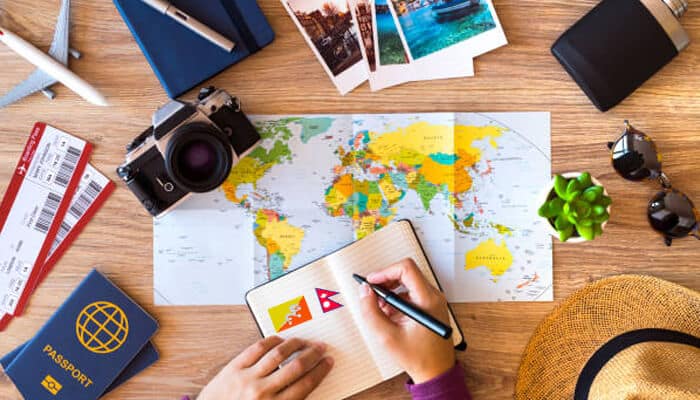

Introduction: A Quick Look at Bhutan and Nepal
Nepal and Bhutan are both beautiful countries. Being India’s neighbours, they are very easily accessible as well. You can also find several Nepal tour packages and Bhutan tour packages from leading travel companies like Thomas Cook. Getting a Combined Bhutan and Nepal Trip package is an excellent way to see these places, as you get a very organised itinerary, excellent arrangements and a lot of convenience.
Why Bhutan and Nepal Make a Great Combined Trip?
When you plan a vacation, you want everything to be absolutely perfect. Hence, you try to make the perfect itinerary with the best destinations. If you are currently doing this, then consider combining Nepal and Bhutan in your list of destinations. You will be able to see many things. While Nepal has the best Himalayan views, it also has some large cities like Kathmandu, where you can experience a global culture. Bhutan is very culturally deep. It has worked hard to preserve its rustic charm. You will become one with nature when you go there. Opting for the Nepal tour packages and Bhutan tour packages, or getting a combined package, can be an excellent idea, as you will get to see both these places. They are close to each other and make for a great holiday.
Planning Basics: Visa Rules, Entry Formalities, and Travel Documents
While it is very exciting to get the Nepal tour packages and Bhutan tour packages and head to the Himalayas, you should plan your trip meticulously to avoid any unnecessary roadblocks. Here are some guidelines:
1. Bhutan Trip cost
The Bhutan tour packages from Thomas Cook start at around INR 34,000. This is the rate for one person. You can customise your trip as per your requirements.
2. Nepal Trip cost
The Nepal tour packages from Thomas Cook begin from about INR 17,000. These packages can also be customised as per your needs.
3. Crossing Between the Two Countries
The best way to cross from Nepal to Bhutan is by taking a flight from Kathmandu to Paro. It is a short and scenic flight. You do not need a passport or visa to go to Nepal from India. However, to go to Bhutan, you need a permit. This permit needs to be obtained beforehand, and the process can be initiated online.
4. Extra Documents You Should Have Ready
Always have a valid Indian ID with you. You can carry your passport, Aadhaar card, and driving licence, etc, to avoid any unnecessary issues at any time.
Bhutan–Nepal Itinerary Ideas for Different Travellers
If you opt for the Nepal tour packages and Bhutan tour packages from Thomas Cook, you will get a readymade itinerary. However, if you wish to make the plan yourself, here are some handy tips for you:
1. Classic 7–10 Day Plan
If you have about a week for your trip, spend 4 days in Nepal and 4 days in Bhutan for a wholesome experience. Spend the first part of your trip exploring the beautiful places of Nepal, like Kathmandu and Pokhara. There is a lot to see and do in these places, and you can experience the best of nature and manmade wonders. Then, head over to Bhutan and explore the scenic places, such as Paro, Thimphu and Punakha.
2. Adventure-Focused Itinerary
Whether you are looking to trek or go mountain climbing, very few places in the world will give you as many thrilling opportunities as Nepal and Bhutan. Choose the best Nepal tour packages and Bhutan tour packages that focus on adventure activities, and have a splendid time.
3. Culture-Rich Itinerary
If you wish to enjoy the culture of these beautiful countries, make an itinerary that takes you not just to the big cities but also to the small towns and villages. Visit during their festivals and events and soak up all the traditions. Bhutan, especially, takes a lot of pride in its culture and heritage, so if you really want to be a part of it, you can plan your trip accordingly.
Seasonal Travel Comparison: When to Visit Both Countries
1. Weather Patterns & Best Months
The winter months (December and January) are cold and snowy, while spring (February to April) and autumn (September to November) in these places are nice and pleasant. The monsoons (April to August) bring heavy rainfall.
2. Budget-Friendly Periods
You can consider travelling in the peak of winter, as this is the off-season. It will be very cold, but you can experience the charming snowfall and have a magical holiday.
3. When to Avoid Travel
Avoid travelling in the rainy season. While the rains bring landslides and road closures, you will experience extreme heat and humidity on the dry days.
Top Experiences to Add to Your Trip
After booking the Nepal tour packages and Bhutan tour packages from Thomas Cook, you will get to see a lot of things. Additionally, you can also add some visits to the monasteries, spend time in the local bazars, and take part in a traditional festival to enhance your experience.
What You Can Do Beyond Temples and Trekking?
If you want to feel one with nature, simply travel to a quiet and remote village. You will find many homestays in these places. Just relax for a few days while you look at the magnificent monuments. Practice yoga and meditation, click some of the most stunning pictures and come back feeling truly rejuvenated.
Practical Tips for a Smooth Dual-Country Trip
Always remember to be courteous. Do not get into arguments with the locals. Also, be responsible. Bhutan takes its environmental issues very seriously, so do not litter at all. Also, complete all your reservations and bookings well in advance to avoid any last-minute challenges.
Why Good Planning Matters for a Two-Country Himalayan Trip?
Though very close to home, these countries are foreign lands, and you cannot take your trip for granted. Be very organised in your planning. Ensure you have booked your hotels, travel transfers, etc. Also, carry enough cash with you. It is best to opt for the Nepal tour packages and Bhutan tour packages, as these packages take care of all the arrangements, and you have a smooth trip.
Frequently Asked Questions
1. Do I need separate visas for Bhutan and Nepal?
You don’t need a visa for Nepal, but you need a permit to enter Bhutan.
2. What’s the easiest way to travel between the two countries?
The easiest and fastest way to travel is by air. You cannot take a train or a bus, as the two countries do not have a common border.
3. When is the best time for trekking in both places?
The best time to go trekking is between October and March.
4. What should I pack for a mixed-season trip?
Carry warm clothes as even in summer, the nights become cold. Also, when you drive up to the hills, you will feel the chill. The days are warm, so carry comfortable, cotton clothes. Do not forget to pack an umbrella, as it often rains in Nepal and Bhutan. And finally, keep a pair of comfortable walking shoes in your suitcase.
5. How much would a Bhutan and Nepal combo tour cost?
You can expect to complete a combined Bhutan and Nepal trip for approximately INR 50,000.
6. What local food should I try in Bhutan and Nepal?
The local cuisine of both these countries is quite delicious. When you visit Nepal, you must try the momo and thukpa. In Bhutan, the most famous dish is the Ema Datshi.
