




The right dealership matters as much as the right car. The windscreen price is only part of what you may pay, and the service you receive can affect the whole ownership experience. These seven questions help separate clear answers from sales talk.
What is the full on-the-road price?
Ask for an itemised breakdown before discussing discounts or trade-ins. The figure on the advert or windscreen should include unavoidable charges, but it may not show optional products or every cost associated with your particular purchase.
Confirm whether documents, delivery, registration and number plates are included in the headline number. Add-ons need checking too. Paint protection and tyre cover may already appear on the order form, even though they are optional. A good car sales dealership will walk through each line without rushing you. If staff will not put the on-the-road price in writing, take that reluctance into account.
Ask which charges are compulsory and which can be removed. You do not have to accept optional cover you did not request. Some buyers prefer to keep the car standard and arrange suitable cover elsewhere. The dealership should respect that choice rather than trying to argue it away.
Ask for GAP cover and paint protection to be listed separately, so you can decide on each product with a clear head. You can then compare the cost and terms with alternatives you have found elsewhere.
It helps to compare written on-the-road figures from two dealerships side by side. A lower headline price may still work out more expensive once optional extras or differences in specification are included. Timing can sometimes affect negotiations too, as teams near month-end or quarter-end may be more willing to discuss discounts, fees or extras.
Allow enough time to check the figures properly before agreeing to anything.
How clear are the finance terms?
Finance is where vague answers can cost real money. Ask for the APR and total amount payable, along with the term length and monthly payment. State your deposit upfront so each quotation uses the same starting point. This makes side-by-side comparison much simpler and avoids later confusion about why one quote appeared cheaper on paper.
Many buyers weigh PCP against HP. PCP tends to offer lower monthly payments, with an optional final payment if you want to keep the car. HP usually costs more each month but does not leave the same large final sum. Ask the dealership to run both quotes on the same car using the same deposit. You can then see the difference in cash terms. Ask how the guaranteed future value was set and whether you could face negative equity if you wanted to settle or change the car early. If you return a PCP car at the end, the position depends on the agreement and whether you have met its mileage and condition requirements.
Check mileage limits and early settlement rules before signing. Ask about excess mileage charges as well. If you drive long distances for work or regular family trips, a low mileage allowance may not suit you. Find out what happens if your plans change and you need to end the agreement early. A clear answer now is better than a dispute later.
Also ask who provides the finance and whether the dealership receives commission. Request details of the nature and, where applicable, the amount of that commission. Disclosure requirements can depend on the arrangement and current rules, but reputable staff should explain how the dealership is paid rather than avoiding the subject.
What does the warranty actually cover?
Warranty cover can shape your financial risk for years. Ask who provides or underwrites it and how long it runs. Check what is excluded, whether there is a mileage cap and whether the cover can pass to the next owner when you sell.
New-car manufacturer cover and used-car dealership cover are not the same. Manufacturer cover is often broader and may last longer, although the terms differ between brands. Dealership cover can still be useful, but exclusions, labour rates and claim limits vary. Read the booklet rather than relying on the headline. Pay particular attention to wear items and battery cover on hybrids and electric cars.
Buyers comparing Kia Cars may find it useful to speak to an authorised dealership with manufacturer-trained staff and access to Kia warranty systems. That setup can make eligible warranty work, recalls and software updates easier to arrange. An independent dealership may still provide excellent service, so judge each business on its answers rather than its sign. Kia’s manufacturer warranty is advertised as seven years or 100,000 miles from first registration, subject to its terms and whichever limit comes first. It is generally transferable with the car, provided the relevant conditions have been met.
If you are looking at an older car outside manufacturer cover, ask about extended cover. Check the claim limit for each repair, whether there is a waiting period before the policy starts and where covered work can be completed. Some policies allow a choice of garage, while others require you to return to the selling dealership. Clear answers to those points tell you a great deal.
Can you drive the exact version you want to buy?
A short loop around the block will not reveal much. Ask for a route that includes town traffic as well as faster roads. You need enough time to judge visibility, seat comfort, cabin noise and how easy the car is to park.
Avoid accepting a drive in a different engine or trim if the version you want is available. Top-spec demonstrators can disguise how the base model you plan to buy will feel. Ride comfort and road noise may change considerably between wheel sizes, tyres and suspension settings. If the exact version is not on site, ask when it will be available or whether another dealership in the same group has one.
Use the drive to test the car against your daily routine. Try a hill start, a tight turn and reverse parking where space is limited. Bring the child seat or buggy if you use one regularly, and take your partner if they will share the driving. These practical checks are often more useful than spending extra time discussing the specification sheet.
Straight answers matter more than polished sales talk. If you are considering an electric car, use the drive to examine the range estimate, charging controls and route-planning system. Ask staff to explain home charging and public charging in plain terms.
Sales staff should allow a proper drive rather than cutting it short. If you feel rushed, say so. A twenty-minute test drive is a reasonable request when you are considering such a substantial purchase.
What is the history and condition of this car?
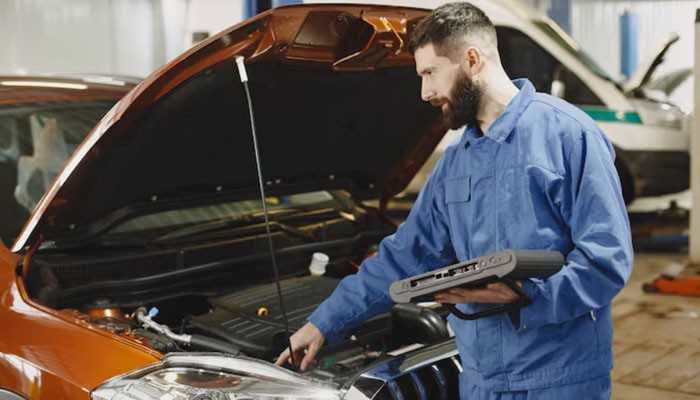
For a used car, history matters more than polish. Ask for the service record and check that the dates and mileages are consistent. Find out whether the car has had paintwork or body repairs, who completed the work and what checks the dealership carried out before offering it for sale.
Look for consistency across the paperwork, keys, tyres and interior wear. Uneven tyre wear or mismatched tyres can indicate alignment problems or differing replacement standards, although neither proves a serious fault by itself. A missing second key or book pack is not necessarily a reason to walk away, but replacement costs should form part of the price discussion. Ask whether servicing or an MOT will be completed before handover and have any promise recorded in writing.
Consider arranging an independent history check for outstanding finance and insurance write-off status. It may identify issues that are not obvious from the paperwork supplied with the car.
For a new car, the questions are simpler but still worth asking. Check the build date and expected delivery time, and ask whether the car has been held in stock for an extended period. Confirm that relevant software and map updates will be installed before collection. These basic checks can prevent avoidable niggles on the first day.
If you have a trade-in, assess the two deals separately. Check independent valuation sites first so you have a rough range for your car. Then ask the dealership to show its part-exchange offer alongside the price of the car you are buying. A generous trade-in figure may be paired with a smaller discount, while a lower figure may accompany a stronger reduction on the replacement car. You can judge the overall deal properly only when both numbers are written down. Focus on the total cost to change rather than chasing a flattering figure for your old car alone.
What happens after you drive away?
After-sales support can determine whether ownership feels straightforward or draining. Ask where servicing will take place and who will carry it out. Manufacturer-trained technicians and the correct diagnostic equipment can be especially useful on newer models with driver-assistance technology or hybrid systems.
Ask about service intervals and fixed or capped-price plans. Check whether the price is set for two or three years and what the plan excludes. Find out how bookings work during busy periods and whether a courtesy car or lift can be arranged. If you rely on your car for work, replacement transport may be a practical necessity. Ask what you need to do to preserve manufacturer warranty cover, including servicing on time and using parts, fluids and records that meet the required standard.
Electric and hybrid buyers should ask additional questions. Can the workshop carry out high-voltage work? Will staff explain home and public charging clearly? Can they provide realistic guidance on how range may vary between winter and summer, while distinguishing this from official test figures? You do not need a technical lecture, but you do need information you can use for planning.
Check review sites for recurring patterns rather than giving too much weight to one-off complaints. Look at Google Reviews and Trustpilot, then read how the dealership responds when something goes wrong. A calm, specific reply is more informative than a standard apology because it indicates how you may be treated if you need help later. Look for responses that acknowledge the issue and explain what happened next.
How are complaints and problems sorted?
Even good cars can develop faults. What matters is how the dealership responds and puts things right. Ask who handles post-sale issues, how to contact that person and how long customers usually wait for a repair slot. Find out what happens if the car cannot be fixed on the first visit.
Clarify your options if you disagree with the dealership. Ask which dispute-resolution or trade-body scheme it follows and whether decisions will be confirmed in writing. Check how repeat faults are recorded so that you do not have to retell the story each time. Staff who answer those questions without becoming defensive are offering a useful sign of how problems will be handled. The substance of a dealership’s reply to a poor review can reveal more than its overall star rating.
Keep your own paper trail as well. Save emails and invoices together, and record dates, mileages and the names of the people you speak to. If a problem continues, that file keeps discussions focused on the facts. Good dealerships should welcome accurate records because they can help staff diagnose the issue and resolve it more efficiently.
Look for a dealership that remains accountable after payment has cleared. That approach is worth more than free mats or a tank of fuel.
Good car sales practice tends to be straightforward. Prices are clear, finance is explained, warranty terms are written down and after-sales arrangements are specific. Ask these seven questions at every dealership you visit and compare the answers side by side. Choose the dealership that gives you clear information and the fewest unwelcome surprises.
