




You hit send, wait, and instead of a surge in responses, you get a shrug from your list; barely any opens, lame clicks, and mostly silence.
It’s frustrating because you know these people and that your message works. Most marketers jump straight to tweaking the copy, thinking they just missed something.
Deliverability? It’s barely a blip on the radar until someone throws it out in a meeting and suddenly… it all makes sense. The emails weren’t bad. They just never really made it in front of anyone.
Deliverability isn’t glamorous; it’s not the fun, creative side of email marketing. But if your emails don’t land, nothing else matters. Here’s a breakdown of ten essential tools for email deliverability, ranked from the total game-changers to the solid supporting cast. Whether you’re a startup or an enterprise, understanding how leading Email Industries approach deliverability can help you choose the right tools to improve inbox placement and protect your sender reputation.
1. InboxAlly
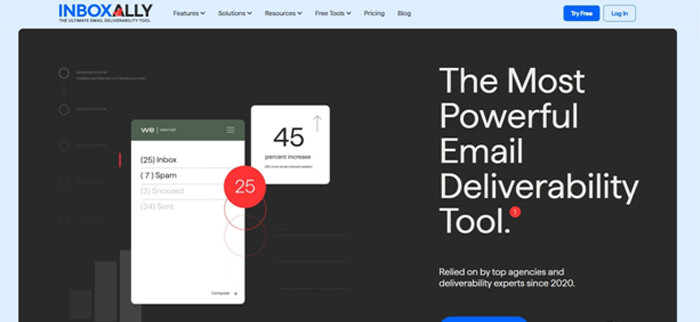
This one tops the list because it doesn’t just tell you there’s a problem; it actually helps solve it. While most deliverability tools hand you reports after things break, InboxAlly gets to work at the source.
It generates real engagement signals with your emails, training inboxes like Gmail and Outlook to treat your domain as legit and wanted, not another spammer.
You’ll see your sender reputation climb the more you use it, because it’s all about fostering positive engagement.
If you’re looking to test email content before a big send, InboxAlly gives you a live environment to watch how things shake out from a deliverability angle, not just a creative one.
Anyone doing real email volume, week in and week out? This tool changes the baseline.
2. GlockApps

GlockApps is like a microscope for your inbox placement, before you actually mail your real list. Primary, promotions, spam: it shows you exactly where your emails are going with actual seed account testing, so you’re not guessing.
The reports aren’t just “nice to have.” They’re detailed enough to pinpoint which inbox providers are treating you badly and give you a head start on fixing it. It’s a great diagnostic tool, especially leading up to a big campaign.
3. Mail-Tester
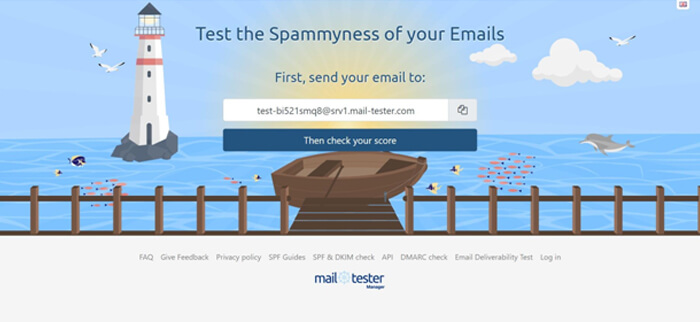
Dead simple, quick, and free for most uses. Drop your email in, send it over, and you’ll get back a score with a clear report of what’s working and what’s hurting you.
This isn’t going to handle everything for massive lists, but it’s always the first thing you check if something smells weird or you just want a fast gut-check. If you’ve been doing email for a while, you probably have this one bookmarked.
4. MXToolbox
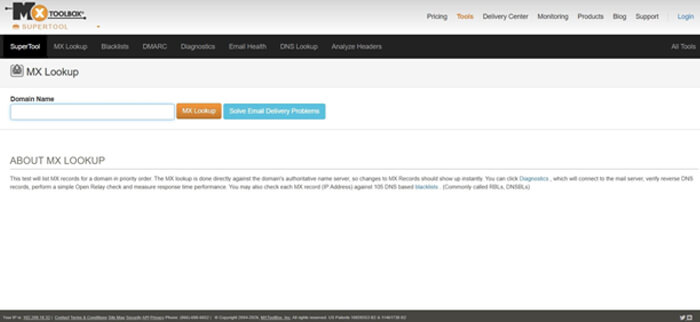
MXToolbox is for pulling the curtain back on all the technical guts: DNS records, blacklists, mail server settings, basically, all the stuff nobody wants to think about, but that absolutely affects whether your messages get through.
It doesn’t always tell you how to fix things, though. Sometimes you’ll need your developer or a support ticket. But even so, the information here is crucial for anyone serious about deliverability.
5. Validity Everest
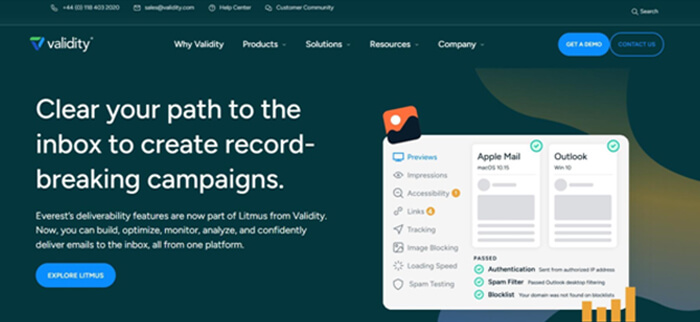
Validity Everest is an all-in-one platform for the technical crowd. Inbox placement testing, list hygiene, engagement, sender reputation; the whole deal.
It’s really built for teams who treat deliverability as a full-time job, not a box to check. It goes deep, but the price matches the depth. Overkill for most small teams, but if you’re running big, enterprise campaigns, it’s one of the best out there.
6. Litmus
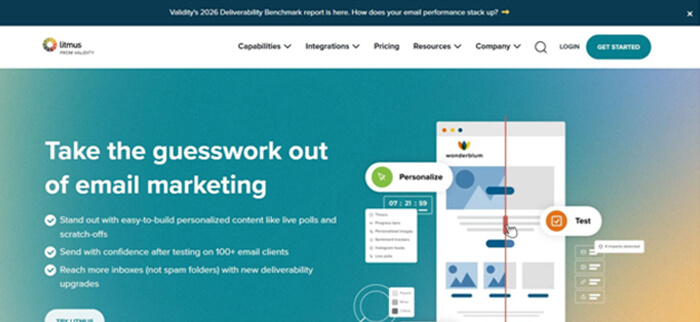
Most people think of Litmus as the ultimate tool for email previews, and that’s true. But its deliverability features deserve a look, too. You get spam testing, authentication checks, and inbox previews, all rolled up in one.
If you like keeping your creative quality assurance and deliverability checks under one roof, Litmus has you covered. No need to bounce between two tools.
7. Postmark DMARC
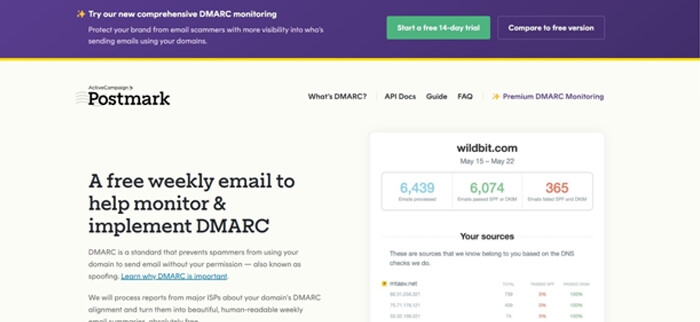
Here’s the reality: if you’re not checking your DMARC reports, you’re just hoping your domain isn’t getting spoofed, and your authentication is solid.
Postmark DMARC takes those messy XML reports no one understands and turns them into clear, readable summaries you can actually act on.
Fixing authentication issues goes a long way for deliverability, and ongoing monitoring is easy with this one.
8. NeverBounce
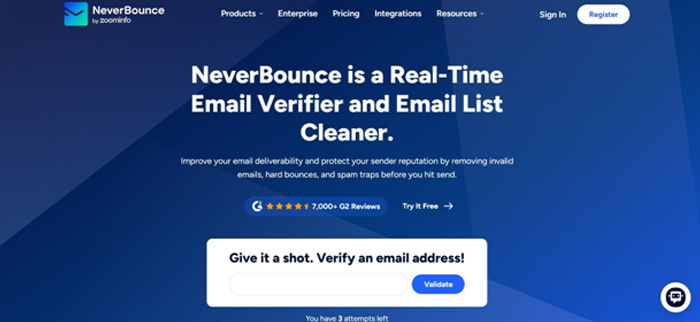
Keeping your list clean matters a lot. Sending to junk accounts or typo-laden addresses tanks your metrics and damages sender reputation fast.
NeverBounce scrubs your list before you blast out a campaign, clearing out the trouble spots before they can hurt you. Not flashy, but it works. Cleaner list, better results, better reputation. Simple as that.
9. Warmy.io
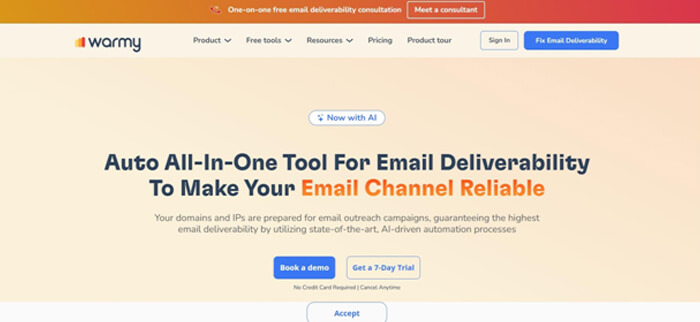
If you’re launching a brand new domain or trying to recover one that’s been battered by spam traps, Warmy.io slowly warms things up. It’s mostly automated; set it up and let it do the groundwork.
But let’s be clear: warmup tools are the warmup band, not the headline act. Once your domain is in good shape, focus shifts to keeping it there, and that’s where everything else matters.
10. Mailtrap
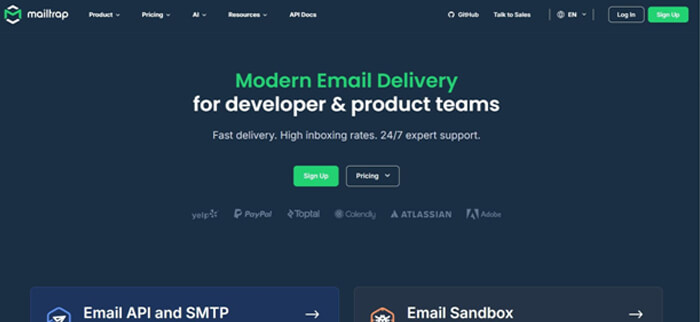
Mailtrap is made for the technical side. It’s a sandbox where you can test and inspect emails before they land in real inboxes; handy for developers or anyone dealing with staging vs. production.
If your workflow is particularly technical, this prevents you from accidentally emailing live lists.
Before You Hit Send, Check Your Domain
Here’s something almost everyone skips: checking the reputation of your domain before you send a single campaign. If you haven’t used a domain in a while, or you just picked it up, run it through a domain spam checker.
You’ll know right away whether you’re starting fresh or cleaning up a mess left behind by someone else. It takes five minutes and can save you from a quietly doomed campaign.
Where to Start
Don’t overload yourself trying to use every tool. Solve the obvious problem first. If reputation is the trouble spot, grab InboxAlly.
If you have no clue where to start, go with InboxAlly, Mail-Tester or GlockApps for a quick scan. Figure out what’s really going on, then build your toolkit from there.
