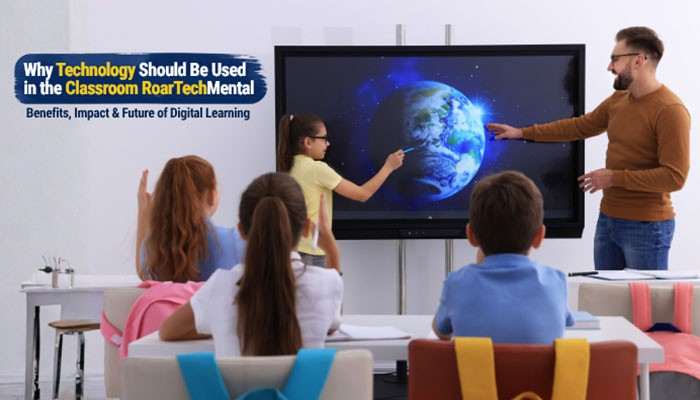

In today’s fast-changing world, education is no longer limited to textbooks, blackboards, and traditional teaching methods. Digital tools, artificial intelligence, online learning platforms, and interactive resources are changing how students understand concepts and how teachers deliver lessons. Why Technology Should Be Used in the Classroom RoarTechMental is an important discussion because technology can make learning more engaging, accessible, personalized, and practical for modern students.
From virtual classrooms to smart learning applications, technology gives students opportunities to explore topics beyond the limits of a physical classroom. A science student can experience a virtual laboratory, a history student can explore ancient civilizations through digital simulations, and a language learner can practice with AI-powered tools. Technology is becoming a learning partner that supports both teachers and students.
However, successful technology integration is not about replacing teachers or adding more screens. It is about using digital solutions wisely to improve education quality. When combined with effective teaching methods, technology can create a balanced learning environment where creativity, critical thinking, collaboration, and problem-solving skills grow.
What Does Technology in the Classroom Mean?
Classroom technology refers to the use of digital tools and resources to support teaching and learning. It includes hardware, software, online platforms, and interactive educational systems.
Common examples include:
- Smart boards and interactive displays
- Educational websites and applications
- Learning management systems
- Virtual reality (VR) experiences
- Artificial intelligence learning assistants
- Online video lessons
- Digital textbooks
- Cloud-based collaboration tools
Platforms such as Google Classroom allow teachers to create classes, distribute assignments, communicate with students, and organize learning materials digitally. Google for Education
Why Technology Should Be Used in the Classroom RoarTechMental?
The main reason Why Technology Should Be Used in the Classroom RoarTechMental is that modern students learn differently compared with previous generations. They are growing up in a digital environment where technology is already part of their daily lives.
Using technology in classrooms helps education become:
- More interactive
- More personalized
- More accessible
- More engaging
- More connected to real-world skills
Technology does not replace teachers. Instead, it gives educators better tools to explain difficult concepts and understand student progress.
Benefits of Using Technology in the Classroom
1. Makes Learning More Engaging
Traditional lectures can sometimes make students lose interest. Technology introduces multimedia learning through:
- Videos
- Animations
- Games
- Interactive quizzes
- Simulations
For example, instead of reading only about the solar system, students can explore planets through a 3D simulation. This creates a stronger understanding because students can visualize complex ideas.
2. Supports Personalized Learning
Every student learns at a different speed. Some students understand concepts quickly, while others need additional explanation.
Technology helps teachers provide personalized learning experiences through:
- Adaptive learning software
- Digital practice exercises
- Individual feedback
- Customized study materials
Artificial intelligence tools can analyze learning patterns and suggest resources based on student needs.
3. Improves Access to Information
One major advantage of classroom technology is instant access to knowledge.
Students can explore:
- Online libraries
- Research databases
- Educational videos
- Digital courses
- Expert lectures
Instead of depending only on one textbook, learners can access multiple sources and develop research skills.
4. Encourages Collaboration
Technology allows students to work together even outside the classroom.
Examples include:
- Shared online documents
- Virtual group projects
- Discussion forums
- Digital presentations
Students learn teamwork, communication, and problem-solving skills that are important for future careers.
Technology vs Traditional Classroom Learning
| Traditional Learning | Technology-Based Learning |
| Mostly textbook-focused | Uses multiple digital resources |
| One teaching style for all students | Personalized learning approaches |
| Limited classroom resources | Access to global information |
| Less interactive | Multimedia-based learning |
| Physical assignments | Digital collaboration and submissions |
A balanced combination of traditional teaching and technology often creates the strongest learning experience.
How Technology Improves Teaching Quality
Teachers are the most important part of education, and technology helps them become more effective.
Better Lesson Planning
Digital tools help teachers:
- Create engaging presentations
- Find updated educational resources
- Prepare interactive activities
- Track student performance
Faster Feedback
Online assessment tools allow teachers to quickly identify:
- Student weaknesses
- Learning progress
- Areas requiring improvement
Better Classroom Management
Digital platforms help teachers organize:
- Assignments
- Attendance
- Communication
- Learning materials
For example, Google Classroom provides tools for managing assignments, communication, and classroom organization digitally.
Examples of Technology Used in Modern Classrooms
Artificial Intelligence (AI)
AI can support education through:
- Personalized recommendations
- Automated feedback
- Learning assistants
- Study support tools
However, students should use AI responsibly and continue developing their own thinking skills.
Virtual Reality (VR)
VR creates immersive learning experiences.
Examples:
- Virtual science experiments
- Historical location tours
- Medical training simulations
Students can experience concepts instead of only reading about them.
Online Learning Platforms
Digital learning platforms provide:
- Video lessons
- Practice tests
- Progress tracking
- Online discussions
These tools support both classroom and remote learning.
Impact of Technology on Student Skills
Technology helps students develop important skills needed for the future.
Digital Literacy
Students learn how to:
- Use technology safely
- Find reliable information
- Understand digital systems
Critical Thinking
Online information requires students to analyze:
- Sources
- Evidence
- Accuracy
Creativity
Technology allows students to create:
- Digital artwork
- Videos
- Presentations
- Applications
Problem-Solving
Coding platforms and simulations encourage logical thinking and innovation.
Challenges of Using Technology in Education
Although technology provides many benefits, schools must also address challenges.
1. Digital Divide
Not every student has equal access to:
- Devices
- Internet connections
- Digital resources
Schools need strategies to ensure technology benefits all learners.
2. Screen Time Concerns
Excessive screen use may create challenges related to:
- Attention
- Health habits
- Balance between digital and physical activities
Experts increasingly emphasize that technology should be used purposefully rather than simply increasing screen exposure.
3. Teacher Training
Teachers need proper training to use technology effectively.
Successful digital education requires:
- Technical skills
- Teaching strategies
- Understanding of digital safety
4. Data Privacy and Security
Schools must protect student information by using:
- Secure platforms
- Privacy policies
- Responsible digital practices
Best Practices for Using Technology in the Classroom
Schools can maximize benefits by following these strategies:
Use Technology With Clear Learning Goals
Technology should solve a learning problem, not just be added because it is available.
Combine Digital and Traditional Methods
Students still benefit from:
- Reading books
- Writing
- Classroom discussions
- Hands-on activities
Teach Responsible Technology Use
Students should learn:
- Online safety
- Digital citizenship
- Ethical technology use
Provide Teacher Support
Continuous training helps teachers confidently integrate new tools.
Future of Digital Learning
The future of education will likely combine human teaching with advanced technology.
Emerging trends include:
- AI-powered learning assistants
- Augmented reality classrooms
- Personalized education systems
- Virtual laboratories
- Smart learning analytics
The goal is not to create technology-based classrooms only. The goal is to create smarter learning environments where technology supports human creativity and teacher expertise.
Research and education discussions increasingly focus on responsible AI literacy and preparing students to use digital tools effectively.
Why Technology Should Be Used in the Classroom RoarTechMental: Key Takeaways
The biggest advantages include:
- Makes lessons more interactive
- Helps students learn at their own pace
- Improves access to knowledge
- Builds digital skills
- Supports teachers
- Encourages collaboration
- Prepares students for future careers
Conclusion
Why Technology Should Be Used in the Classroom RoarTechMental is not simply about adding computers or digital devices to schools. It is about creating a better learning experience where students become more curious, creative, and prepared for the future.
Technology gives teachers powerful tools, helps students access knowledge easily, and creates opportunities that were impossible in traditional classrooms. However, successful digital learning requires balance, responsible use, and strong teaching practices.
The future classroom will not be controlled by technology alone. Instead, it will combine human creativity, teacher expertise, and digital innovation to create smarter and more effective education for everyone.
Why Technology Should Be Used in the Classroom RoarTechMental FAQs
1. Why Technology Should Be Used in the Classroom RoarTechMental?
Why Technology Should Be Used in the Classroom RoarTechMental because technology improves learning experiences by making education more interactive, personalized, accessible, and connected to real-world skills.
2. Can technology replace teachers in classrooms?
No. Technology cannot replace teachers. Teachers provide emotional support, guidance, creativity, and human understanding that technology cannot fully reproduce.
3. How does technology help students learn better?
Technology helps students learn better through interactive lessons, personalized resources, quick feedback, online collaboration, and access to global information.
4. What are examples of classroom technology?
Examples include:
- Smart boards
- AI learning tools
- Online classrooms
- Educational apps
- Virtual reality
- Digital textbooks
5. What are the disadvantages of using technology in classrooms?
Challenges include unequal access, privacy concerns, excessive screen time, and the need for teacher training.