



Key takeaways
- Smart electrical systems cut energy costs, reduce downtime, and extend equipment life.
- Real-time monitoring helps you prevent failures instead of reacting to them.
- Connected systems make large portfolios easier to manage from a single dashboard.
- The right commercial electrical partner determines how well your smart system performs over time.
What Are Smart Electrical Systems in Commercial Buildings?
If you manage commercial properties, you already live with electrical systems every day.
Smart electrical systems simply add brains to that backbone. You still have panels, breakers, lighting, HVAC, and security systems, but now they talk to each other, share data, and respond automatically.
Think sensors on lighting that track occupancy, meters that show real-time energy use, and a building management system that lets you adjust schedules from your phone.
In a traditional commercial building, you set timers, hope they match reality, and wait for tenants to complain.
With a smart system, you see what is on, where, and why.
In one office project I worked on, we started with smart lighting and submetering on each floor. Within a month, the property team found two entire zones running all weekend. That alone paid for the first phase of the upgrade.
Why Smart Electrical Systems Matter for Commercial Property Management?

Most legacy electrical systems follow a “set it and forget it” pattern.
You set schedules once, maybe during construction, and they rarely change. Then you deal with surprise failures, vague utility bills, and tenants who say, “Our space is always too hot at 3 p.m.”
Smart electrical systems flip that. You move from guessing to seeing. From reacting to planning.
For property owners, that shows up directly in NOI. The U.S. Department of Energy reports that smart building technologies and advanced controls can reduce energy use in commercial real estate by roughly 10 to 30 percent, depending on building type and starting point.
That is not just lower utility spend. You also cut emergency calls, extend equipment life, and make the property more attractive to tenants who care about comfort, reliability, and ESG reporting.
I think of it as finally getting a dashboard for a system you already own but never really saw.
Core Benefits of Smart Electrical Systems for Commercial Properties
The first benefit you feel is usually energy cost.
Real-time monitoring shows which loads spike during peak hours. One downtown office I consulted on shifted some HVAC and process loads by just 30 minutes and trimmed demand charges by about 12 percent.
We used simple automation rules tied to occupancy and weather, nothing fancy.
Predictive maintenance comes next. Sensors track temperature, current, and power quality on key equipment. Instead of waiting for a rooftop unit motor to fail at 7 p.m. on a Friday, you see rising temperatures and schedule a planned repair. A planned motor replacement might cost $2,000 during business hours. The same failure during a tenant event can snowball into lost revenue, overtime labor, and a very unhappy tenant.
You also protect equipment from voltage sags and surges, improve safety with alerts on overloaded circuits, and support better tenant experience through smart lighting and coordinated HVAC systems.
Tenants rarely ask for “smart electrical systems” by name, but they notice stable temperatures, fewer outages, and spaces that feel tuned to actual occupancy.
Key Technologies Behind Smart Electrical Systems
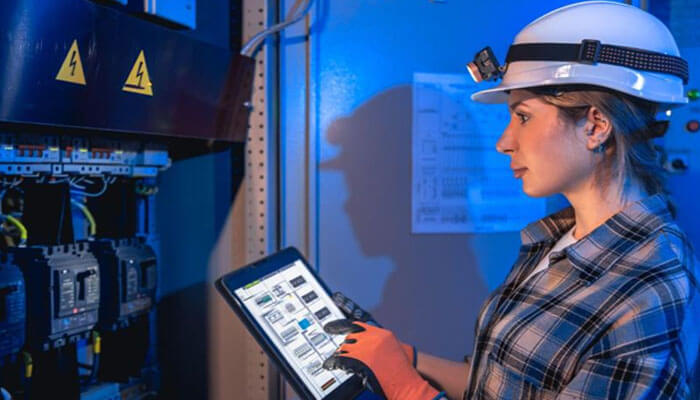
Under the hood, a smart building uses a mix of hardware and software.
Smart panels and breakers measure load at the circuit level and let you switch remotely. Smart meters and submetering give you granular data by tenant, floor, or equipment group.
A building management system ties electrical, HVAC systems, lighting, and sometimes security systems together. Instead of separate islands, you get one interface.
Sensors play a big role. Occupancy sensors, daylight sensors, temperature and humidity sensors, even air quality sensors, all feed data into your building management platform.
On top of that, cloud dashboards and analytics tools help you compare buildings, track trends, and share reports with asset managers.
Recent industry surveys show that more than half of large commercial properties now use some form of smart building or IoT platform, and that share keeps growing as owners look for better energy management and operational efficiency.
The technology list can feel long, but you rarely need everything on day one.
Practical Use Cases for Smart Electrical Systems in Different Property Types
Smart systems look different in each property type.
In office buildings, you see smart lighting by floor, occupancy-based controls, and submetering for shared amenities. One client discovered their conference center lighting ran 18 hours a day. After automation, they cut that nearly in half without a single complaint.
Retail and mixed-use properties often focus on signage, storefront lighting, and refrigeration. A shopping center I visited reduced evening lighting costs by tightening schedules and dimming certain zones after closing, while keeping parking and security lighting steady. Tenants never noticed, but the bills changed.
Industrial and warehouse facilities lean on monitoring for large motors, conveyors, and dock equipment, plus power quality for automation lines.
Healthcare and labs care about redundancy, emergency power monitoring, and detailed event logs for compliance.
The pattern is the same. You use sensors, automation, and data to match building systems to real occupancy and operations, not just assumptions from years ago.
How Smart Electrical Systems Support ESG and Regulatory Goals

If your ownership group talks about ESG, smart electrical systems become more than a “nice to have.”
Modern codes often require smart lighting controls, occupancy sensors, and daylight harvesting in certain spaces. Smart technologies make compliance easier to document and maintain.
For ESG reporting, you need reliable data. Submetering and digital logs let you track energy intensity over time, compare buildings, and show year-over-year improvements. I have seen portfolios use this data to support green building certifications and investor reports.
Smart systems also prepare you for grid changes. Demand response programs pay you to reduce energy use during peak events. With automation and a building management system, you can pre-cool spaces, dim noncritical lighting, or shift certain loads without upsetting tenants.
Some utilities report double-digit participation growth in demand response from commercial properties that adopt IoT-based controls. That is real money, plus a stronger story for stakeholders who care about the future of commercial energy use.
Planning a Smart Electrical Upgrade in an Existing Building
If your building is older, you might wonder where to start.
I usually recommend an electrical and energy audit first. Look at panels, feeders, major loads, existing controls, and maintenance history. Pull interval data from the utility if you can.
Then prioritize by ROI, risk, and tenant impact. Lighting controls, smart meters, and basic load monitoring often pay back quickly. Power quality monitoring and predictive maintenance reduce risk in critical areas like elevators, IT rooms, or medical suites.
Integration matters. Ask vendors how their systems talk to your current building management system, meters, and security systems. Avoid setups that trap you in one proprietary platform.
Budgeting often means phasing. One mid-size office retrofit I worked on spent roughly six figures over two years, starting with smart lighting and submetering, then moving to smart panels on the most critical floors.
You do not need to rip everything out. You just need a clear roadmap.
Working With the Right Electrical Partner
The contractor you choose can make or break your smart system.
Smart electrical work is not just pulling wire. It touches networking, controls, commissioning, and sometimes IT security. You want a team that has actually delivered smart building projects, not just read about them.
Ask about their experience with smart panels, building management integration, submetering, and IoT sensors. How do they handle commissioning? Do they train your staff, or leave you with a binder nobody reads?
For local projects, I have seen property owners get strong results when they work with commercial electrical contractors Austin TX who understand local utilities, rebates, and inspection processes. Austin’s growth, heat, and utility structure create real pressure on peak demand and reliability.
One downtown project upgraded panels, added smart lighting, and tuned HVAC schedules. Summer peak demand dropped enough that the owner avoided a costly service upgrade and improved tenant satisfaction scores at the same time.
Day-To-Day Management of a Smart Electrical System
Once the smart system is in place, your daily routine changes a bit.
Your team should review alerts and event logs weekly, scan dashboards for unusual trends, and make small schedule tweaks instead of big, disruptive changes.
Training matters. At least one “system owner” on your team should understand alarms, overrides, schedules, and basic reporting. I have watched buildings lose early gains because nobody felt responsible for the settings.
Stay in touch with your contractor. Some offer remote monitoring or annual tune-ups. Even a simple yearly review can catch drifted schedules, disabled sensors, or new tenant loads that never got added to the automation rules.
If you work with commercial electrical contractors Austin TX or any local specialist, ask them to walk your team through real examples from your building, not just generic slides. That hands-on context sticks.
Common Mistakes to Avoid With Smart Electrical Systems
I see a few patterns repeat.
First, treating the project as a one-time event. Settings drift, tenants change, and equipment ages. One building I reviewed had lights scheduled correctly at turnover, but five years later, half the floors ran late into the night because nobody updated schedules after a tenant shuffle.
Second, overcomplicating the setup. It is tempting to turn on every feature. Then your team feels overwhelmed and stops using the system. Start with a handful of metrics you actually care about, like peak demand, after-hours usage, and comfort complaints.
Third, ignoring cybersecurity. Work with IT to segment building systems, manage vendor access, and keep credentials under control.
Finally, skipping measurement and verification. Baseline your energy use before upgrades, then compare after. Without that, it is hard to prove ROI to ownership or justify the next phase.
The Future of Smart Electrical Systems in Commercial Real Estate
Looking ahead, smart electrical systems will connect even more pieces.
EV charging will coordinate with building loads and demand charges. Access control and occupancy data will inform lighting and HVAC schedules in real-time.
AI and automation, in simple forms, will help spot patterns your team might miss, like subtle increases in overnight load or recurring power quality issues on one feeder. I do not think these tools replace people. They just give building owners and operators better information.
If you manage commercial properties, the next 12 to 24 months are a good time to start. Pick one building, one floor, or one system. Document what works, what confuses your team, and what delivers real cost savings or tenant satisfaction.
From there, you can build your own playbook for smart electrical systems and shape how your portfolio steps into the future of commercial property management.
