




Most facility managers can point to a single bad week caused by dry air. A pallet of electronics fails static testing. A print run curls at the edges. A cold storage room drops enough moisture that product weight, and profit, evaporates with it. These aren’t rare events anymore.
As buildings get tighter and HVAC systems get more efficient, indoor air often ends up drier than it used to be. That shift has turned humidity from a comfort issue into an operational one, and companies across manufacturing, healthcare, and data infrastructure are paying attention.
The Hidden Cost of Dry Air
Low humidity doesn’t announce itself the way a leaking pipe does. It shows up as a slow accumulation of small failures. Static discharge damages a circuit board. Wood veneer shrinks and cracks in a furniture plant. Paper stock jams a press because the fibers dried out overnight.
Data centers face a version of this problem too. Overly dry air raises the risk of electrostatic discharge near sensitive equipment, while overly wet air invites condensation. Facility engineers have started treating humidity as a control variable worth engineering around, not something to leave to chance.
How Modern Humidification Actually Works
Older humidification methods relied on steam or basic misting, both of which come with tradeoffs. Steam systems consume significant energy and need regular maintenance. Spray-based misting can leave surfaces wet, which creates its own set of problems in sensitive environments.
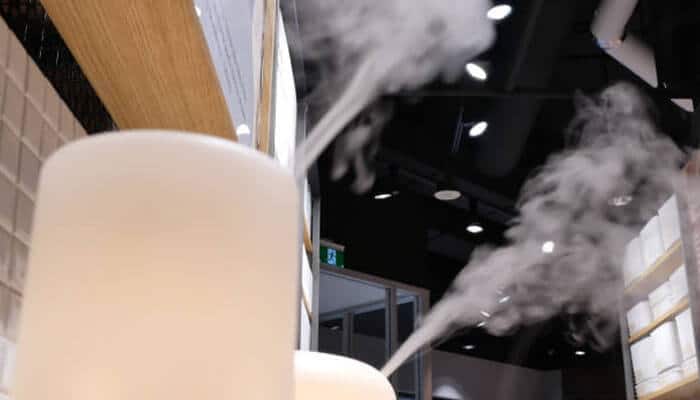
Newer adiabatic systems use compressed air and water to produce droplets small enough to evaporate into the air before they land on anything. The result is added moisture without the wetness that traditional misting can leave behind, assuming the system is sized and installed correctly for the space.
Precision Matters More Than Volume
Adding humidity isn’t the hard part. Holding it steady within a narrow band, hour after hour, is where most systems struggle. Facilities running sensitive processes, semiconductor fabrication or pharmaceutical production, for example, often need humidity held within a tight percentage range rather than a loose target.
This is where a purpose-built commercial humidification system becomes relevant, since engineered systems are designed to maintain precise humidity levels across a facility rather than approximate them. Facilities that once accepted wide swings in relative humidity are increasingly treating that consistency as a baseline requirement.
Surface Protection Changes the Calculation
The second angle is what happens to materials and equipment over time. Humidification done poorly can introduce moisture where it isn’t wanted, contributing to rust, mold growth, or surface damage.
Systems engineered to avoid condensation and surface wetting, when properly designed and installed, are intended to remove that tradeoff. That distinction matters a lot in printing rooms, cleanrooms, and cold storage facilities where a wet surface can mean contaminated product or a failed inspection.
What This Means for Facility Managers and Engineers
For the people actually responsible for these buildings, the calculation has shifted. Humidity control used to sit near the bottom of the maintenance list. Now it’s showing up in capital planning conversations alongside cooling and power redundancy.
Engineers specifying new builds or retrofits are asking different questions than they used to. How tight can the humidity band be held? What’s the maintenance burden? Does the system risk wetting sensitive equipment? Those questions didn’t come up as often a decade ago.
How to Evaluate a Humidification System
Choosing a system isn’t just about matching square footage to output capacity. Facility teams should look at how precisely a system holds humidity under real operating conditions, not just its rated maximum output.
Maintenance requirements deserve equal weight. A system that needs constant servicing erodes whatever efficiency gains it promised on paper. It’s also worth asking vendors directly about surface wetting risk, since that’s the detail most likely to get glossed over in a sales conversation.
Industry fit matters too. A data center and a mushroom cultivation facility have wildly different humidity needs, and a system designed for one may be poorly suited to the other. Reviewing case studies from comparable facilities, rather than generic marketing claims, tends to give a clearer picture of real-world performance.
Final Thoughts
Humidity control is moving from an afterthought to a specified requirement in facility design, and that trend shows no sign of slowing. Facilities that treat humidity as an engineering problem now are better positioned to avoid the failures that show up later, whether that means investing in better monitoring or rethinking how systems are specified. For facility managers evaluating upgrades in the next budget cycle, this is a good moment to ask harder questions about how their current systems actually perform.
