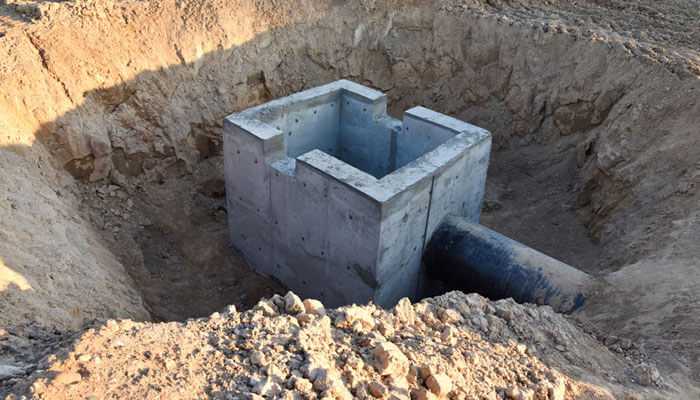
Urban areas are increasingly vulnerable to flooding due to rapid urbanization, climate change, and inadequate infrastructure. Among the key elements of flood management infrastructure, concrete stormwater pits stand out as indispensable tools for mitigating the impact of heavy rainfall in urban environments. In this blog post, we’ll delve into why concrete stormwater pits are crucial for effective flood management in urban areas.
Urbanization leads to the replacement of natural surfaces with impervious materials such as asphalt and concrete. This change disrupts the natural water cycle by reducing infiltration and increasing surface runoff during rain events. As a result, urban areas are more prone to flooding, with excess water overwhelming drainage systems and causing damage to property and infrastructure.
Concrete stormwater pits play a vital role in managing urban flooding by providing temporary storage for excess rainwater. These pits, typically located underground, collect stormwater from surface runoff and direct it away from populated areas. The use of concrete ensures durability and strength, making the pits capable of withstanding the pressure exerted by heavy rainfall and the weight of urban structures above them.
Concrete stormwater pits have larger storage capacities compared to traditional surface drainage systems, allowing them to accommodate significant volumes of water during storm events.
By capturing stormwater before it enters natural waterways, concrete pits help reduce the transport of pollutants such as sediment, debris, and chemicals, thereby improving water quality downstream.
By controlling the flow of stormwater, concrete pits help alleviate pressure on existing drainage infrastructure, reducing the risk of flooding in urban areas and minimizing property damage.
Concrete is a robust material that can withstand the challenges of urban environments, including heavy traffic, erosion, and fluctuating water levels. Concrete stormwater pits offer long-term reliability and require minimal maintenance compared to other stormwater management solutions.
In the face of increasing urbanization and climate-related challenges, concrete stormwater pits have emerged as indispensable tools for effective flood management in urban areas. By providing temporary storage, improving water quality, and reducing flood risk, these structures play a crucial role in safeguarding communities and infrastructure from the impacts of heavy rainfall. As cities continue to grow, investing in resilient stormwater infrastructure, including concrete pits, will be essential for building more sustainable and resilient urban environments.
Finding the perfect father's day gifts can feel like an impossible task, especially when Dad insists he already has everything…
The best AI answering service for businesses picks up every call instantly, handles FAQs, routes inquiries to the right person,…
Many Australian business owners face a common problem: they have wealth tied up in property, but limited cash available for…
A basic motorcycle accident claims can make the difference between a well-supported claim and a stressful, uncertain process. For riders…
Whether you're buying your first home in the Adelaide Hills or refinancing an investment property near Glenelg, the broker you…
Growing on Instagram in 2026 feels like a race you start ten steps behind. New accounts get very little reach,…