




Treating mental health in isolation from the key areas that inform and influence it isn’t just bad medicine, it’s bad common sense. It’s bad human nature, too. Just as the mind can shape the body, so the body can shape the mind. We are physical beings; mental health is part of our physiology.
The Problem With Single-Modality Treatment
Medication is a key component to treating mental illness. It can manage symptoms, stabilize acute situations, and in some cases, provide those struggling with a bridge to other therapeutic methods until they are well enough to engage.
That said, most solid mental health evidence, including meta-analyses on pharmaceutical interventions, shows clearly that therapy plus medication is more effective than medication alone, and that the least effective treatment is medication without support. For many conditions, including mood disorders, medication can be actively harmful without concurrent therapy.
At its most essential, choosing to replace therapy with medication is a decision not to treat the actual illness, but to suppress its symptoms, a mental health version of taking opiates for chronic pain.
Dual Diagnosis: The Treatment Error That Costs the Most
Approximately 21.5 million adults in the United States experienced co-occurring mental health and substance use disorders in a single year (SAMHSA). That’s not a niche population, that’s the majority of people presenting with severe psychiatric conditions.
When someone has a co-occurring disorder, treating only the mental health condition while leaving the substance use unaddressed means treating someone who is still actively altering their brain chemistry in ways that counteract recovery. And treating only the substance use while ignoring the underlying mental health condition means leaving the person without any functional tool to manage the pain they were using substances to suppress. Both approaches produce the same outcome: relapse.
Integrated dual diagnosis treatment requires simultaneous, coordinated work on both conditions. That means psychiatric care, behavioral therapy, and substance use treatment happening in concert, with clinicians who communicate with each other. Individuals seeking this kind of coordinated, multi-disciplinary care can find specialized dual-diagnosis programs through facilities like legacyhealingohio.com, where integrated treatment is built into the model rather than bolted on as an afterthought.
The Biopsychosocial Framework: What Science Actually Says
The biopsychosocial model isn’t new-age snake oil. It has been the primary organizing framework in the field of psychiatry, and much of medicine more broadly, for decades. It’s the model that developed because, over time, the weight of the evidence suggested it should.
Mental health conditions are not strictly biologically determined. They emerge from a complex interplay between biological propensity, psychological patterns developed over a lifetime, and exposure to social determinants, issues like housing stability, economic stress, community connection, and exposure to violence.
Treat the biology and watch the person you’re treating continue to navigate the world they’ve learned to navigate. For some, it might mean a whole lot of stability, but stability under load. The loss of a job, a relationship, or a bit of financial instability and they lose what fragile stability they had, because the underlying issues of their life and mind have never been worked through.
A biologically, psychologically, and socially sophisticated treatment is a lot harder than it looks.
The Body Keeps Score: Somatic Healing and the Nervous System
Chronic psychological distress has physical manifestations, as it impacts our physiology. Long-term stress leads to increased cortisol levels, deregulation of the autonomic nervous system, and causes noticeable inflammatory responses in the body. These connections are studied in the field of psychoneuroimmunology. Individuals who have gone through severe trauma do not solely have emotional recollections; they also have the physical memories of those experiences stored in their muscles, breathing, gut, and sleep.
This is why body-focused treatments become a necessity. For example, somatic experiencing interacts directly with the autonomic nervous system, helping patients release physical stress that traditional therapy cannot access. Trauma is not just stored in narrative memory but in altered body responses. Yoga, breath exercises, and other movement practices provide similar pathways to the nervous system.
There’s nothing magical about it. All these approaches work on a neurobiological level. As someone learns to regulate their physical responses to stress, they also alter their reactivity to emotional stressors. And these changes are not just anecdotal; they can be seen through biological measurements.
Nutritional Psychiatry and the Gut-Brain Axis
The relationship between metabolic health and psychiatric outcomes is one of the most clinically important advancements in recent healthcare research, and it’s still treated as a minor consideration in standard treatment planning.
Roughly 90 percent of the body’s serotonin is synthesized in the gut. The gut microbiome directly affects neurotransmitter production, inflammatory markers, and how the brain processes stress. Poor nutrition, disordered sleep, and sedentary behavior don’t just make folks feel suboptimal, they actively render the biochemistry of psychiatric recovery physiologically impossible.
A truly comprehensive treatment plan includes them as formal, not optional, lifestyle recommendations at discharge: nutritional assessment, sleep hygiene intervention, structured physical activity. Metabolic health is psychiatric health. For many patients in the process of severe mental illness recovery, simply correcting substantial nutritional deficiencies, stabilizing their blood sugar, and finally getting some decent sleep will represent the most meaningful biochemical shift in which all other therapies are taking place.
Part of what makes “biopsychosocial” care more rigorous than conventional box-checking single-track approaches is that it demands more precision, not less.
Re-Wiring Through Neuroplasticity
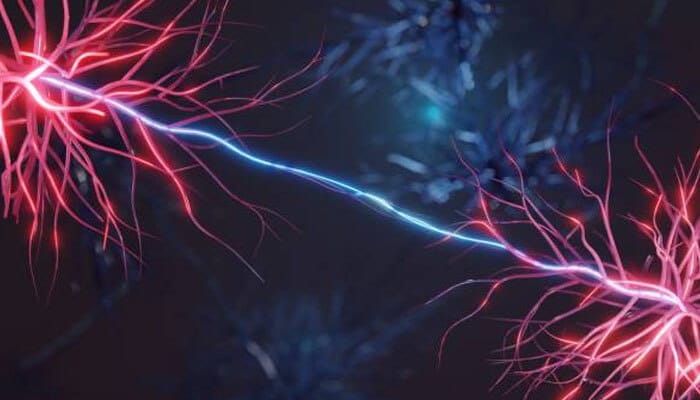
The brain can change according to its use, so treatment programs need to be organized around this concept. Different types of therapy engage different systems in the brain. For example, Cognitive Behavioral Therapy engages the prefrontal cortex, while mindfulness involves the default mode network in the brain. Art, music, and movement therapies engage motor, sensory, and limbic systems. If a treatment plan involves a variety of these modalities, it doesn’t just engage more parts of the person’s experience. It engages more parts of the brain, and recovery accelerates. The brain is given the work of reorganizing itself in multiple directions at once. This will also likely make recovery more durable because a broader, more integrated network of function is developing.
The Continuum of Care: Structure Beyond Stabilization
Acute stabilization is not the same as recovery. If we simply patch people up after their latest crisis and then send them back home without anything else changing, what we’ve done is a temporary intervention, not a treatment outcome. Sustainable recovery from severe mental illness is a deliberate continuum of increasingly lower-intensity care and support, punctuated with surges of needed intervention back when destabilization occurs.
Inpatient stabilization is designed to last just long enough, and then the patient is to return home or to a structured setting. If that does not happen, then the outpatient level of care does not need to stabilize the patient, it needs to become an inpatient level of care, which is indeed what often happens. Patients spiral out of control waiting for the next entry on the bureaucratic flowchart, and then we start all over again.
Rebuilding Social Capital: Recovery as a Relational Process
Recovery isn’t a solo journey. This isn’t just a fancy idea, it’s a fact based on how our brains work. We as humans are meant to regulate each other, and that includes how our nervous systems function in response to others. Social connection isn’t an addition to mental health recovery; it’s a pathway through which recovery sticks.
Yet when someone has a severe mental health condition, that same social system is likely to have broken down around them over time. Family members are overwhelmed or estranged. Friendships have fallen apart. Work and community connections have evaporated. By the time a person starts getting help, they’re often coming back to virtually nil in the way of relationships to lean on.
The most effective treatment programs get that. Family therapy isn’t just about having a more functional family, it’s about creating the web of relationships that’s going to keep the person functional long after discharge. Social skills training and peer support, reintegration into work or the community, it’s all about precisely that same thing. The treatment doesn’t just work on the person; it works on the life they’ll go back to.
Absent that, not even the most tremendous internal work in treatment is going to stick. You return to the same world that you left, and you’ll eventually relapse into the same crises that sent you there in the first place.
What Comprehensive Care Actually Demands
Providing effective care for people with severe mental health issues is a complex task. It needs to combine knowledge in the fields of psychiatry, psychology, physical health, nutrition, as well as social and community support. Health providers must be in constant communication, and treatment strategies need to be adapted according to the patient’s progress.
What is not needed is to make people choose between evidence-based medicine and a holistic approach. This dilemma is not real and science has already gone beyond it. The brain, the body, social interactions, and the environment should all be considered as one interconnected system, and this is how treatment should be delivered.
