


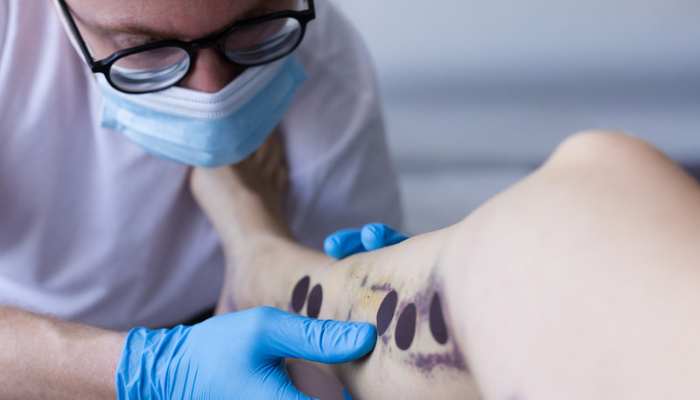

Leg discomfort often begins quietly. A heavy feeling after work may seem ordinary, but recurring swelling, aching, or skin changes deserve attention. Vein disease can disrupt walking, sleep, and concentration before symptoms become severe. Minimally invasive treatment gives many patients a practical path toward relief without the long recovery associated with traditional surgery. The better choice depends on symptoms, imaging, health, and daily demands. The following factors clarify when that approach makes sense.
Patients who seek care for enlarged leg veins often want clear answers before choosing a procedure. A vascular evaluation reviews pain, swelling, skin changes, and circulation patterns. For residents comparing options, minimally invasive vein care in Northbrook offers a local setting to discuss treatment timing and recovery expectations. The decision should follow a documented assessment with a clinician.
Why Vein Treatment Needs a Closer Look
Varicose veins develop when damaged valves allow blood to flow backward and pool in the vein. This pressure enlarges the vessel and can create aching, heaviness, swelling, itching, or skin discoloration.
Visible veins do not always show the full problem. Some patients have significant vein disease beneath the skin, while others have prominent veins with limited symptoms. Ultrasound helps identify reflux, locate affected vessels, and guide treatment decisions.
A clinical evaluation also considers work demands, activity level, pregnancy history, previous procedures, medication use, and related health conditions. These details help determine whether treatment is appropriate and which method fits the patient’s situation.
What Minimally Invasive Care Changes
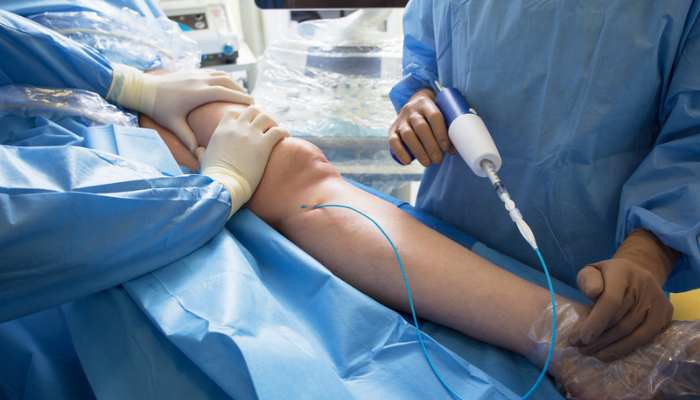
Traditional vein surgery requires larger incisions and more tissue disruption. Minimally invasive procedures use a small entry point, a thin catheter, and imaging guidance to close or treat the affected vein.
Once the diseased vein closes, blood moves through healthier veins. The body gradually reroutes circulation without needing the treated vessel. This process addresses the source of reflux rather than treating visible veins alone.
Many procedures use local anesthesia and take place in an outpatient setting. Patients often walk soon afterward, follow specific activity instructions, and return for follow-up imaging. Recovery depends on the procedure, vein pattern, and general health.
Signs This Approach May Fit
Persistent Symptoms
Recurring aching, leg fatigue, swelling, or nighttime cramping warrants medical review when symptoms affect daily routines. Symptoms that worsen after standing or improve after elevation often point toward a circulation problem.
Skin changes also require attention. Darkening, irritation, thickened skin, or a sore near the ankle can signal advanced vein pressure. A clinician should assess these changes before they progress.
Limited Recovery Time
People with demanding jobs, caregiving duties, or regular exercise often need a treatment plan that limits interruption. Minimally invasive care usually involves smaller access points than open surgery, which reduces wound care needs and supports earlier movement.
That does not mean recovery requires no planning. Patients still need clear instructions about walking, compression garments, lifting, driving, and follow-up visits. A realistic schedule prevents avoidable strain during healing.
Cosmetic And Medical Concerns
Some patients seek care because enlarged veins affect clothing choices or confidence. Others experience pain, swelling, or skin problems. Both concerns deserve a proper evaluation.
Cosmetic treatment alone does not address every underlying circulation issue. Ultrasound findings should guide the plan, especially when visible veins occur alongside heaviness, swelling, or skin changes.
Questions to Ask Before Treatment
Patients should ask which vein is causing the problem and how imaging confirmed that finding. A clear explanation helps separate the source vein from smaller surface vessels that appear more visible.
The treatment discussion should cover anesthesia, procedure length, expected walking, compression use, activity limits, and follow-up imaging. Patients also need to know how many treated areas require attention and whether additional sessions are likely.
Medical history matters. Blood-thinning medication, previous clotting problems, pregnancy, mobility limits, and allergies can change preparation and aftercare. Patients should provide a complete medication list and describe new symptoms before scheduling treatment.
Cost and insurance questions also belong in the consultation. Coverage often depends on documented symptoms, examination findings, and the treatment plan. Written estimates and authorization details prevent confusion later.
When Traditional Surgery Still Enters the Discussion
Minimally invasive care does not fit every vein pattern. Large, complicated, recurrent, or anatomically unusual veins sometimes require a different approach. Prior procedures can also change the available treatment path.
A specialist should explain why one option fits better than another. The decision should reflect ultrasound findings, symptom severity, health history, and recovery needs, rather than convenience alone.
Conclusion
Minimally invasive vein care is better when damaged veins cause persistent symptoms and imaging identifies a treatable source. Smaller access points, outpatient treatment, and earlier movement often fit modern work and family schedules. Patients should begin with a vascular evaluation, review the recovery plan, and confirm insurance details before choosing a procedure. A timely consultation can clarify whether treatment addresses the underlying problem and what practical steps support a steady recovery.
