


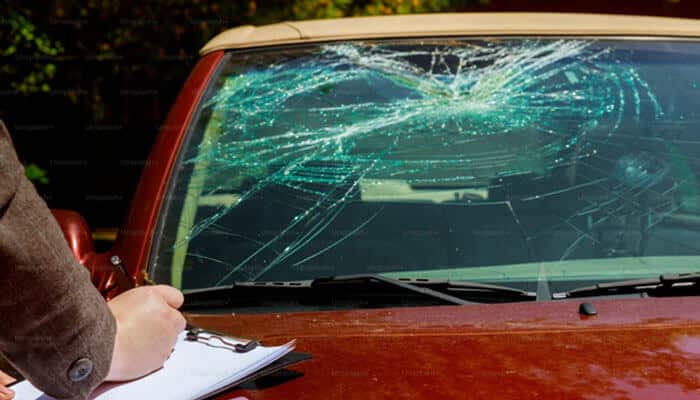

In a car accident case, a police report can be very helpful in establishing the circumstances of the accident, who was involved in the accident, and what the police officer witnessed. It provides insurance companies with a heads-up on the crash. It also gives a valuable first look at disputed facts that will be discussed in detail prior to deciding on the proper course of action.
Memories can change rapidly following a crash. It’s possible one driver remembers the right of way, and another remembers another. In such a case, a police report can be one of the most commonly referenced pieces of evidence, particularly if it contains statements from witnesses, any damage to the vehicle, road conditions, citations, or a police officer’s observations.
What is Included in a Police Report?
Common information in a report includes the vehicle, the driver, the location, the date, and the time. It can refer to the weather, roadway conditions, damage, debris, skid marks, traffic signals, and other details.
The officer might take statements and make witness statements, but could also note who was a witness and if a driver had a citation issued.
How Do Insurers Use the Report?
Many insurance adjusters will have a look at the police report as they consider who is to blame. They are provided with a report that they can compare with their driver statements, photos, records, etc.
If two drivers disagree on who went through an intersection while running a red light, what is the solution? If two drivers don’t agree on who went through the intersection while running a red light, then what can be done?
During the insurance investigation, there could be a witness statement in the report to go with one driver’s version. However, who is legally liable does not necessarily follow from a police report. An officer may give an opinion as to fault, but the insurers and courts will determine that.
What does Texas Law say?
Texas Transportation Code § 550.026 mandates that the driver report certain collisions involving an injured party, death, or a vehicle unable to be normally and safely driven. Texas Transportation Code § 550.062 also mandates a written collision report by an investigating officer where the collision results in injury, death, or “apparent property damage” of $1,000 or more.
Can a Police Report Be Wrong?
Yes. Officers use information that is at the scene and may include errors, incomplete statements, or inferences based on partial observations in a report. It is important that drivers check the details provided in the report and not take anything on faith.
Photographs, video, witness statements, damage patterns, and medical records are all other pieces of evidence that may help to clarify disputed facts. It can also have an impact on how report statements are utilized in court, because evidence rules also apply.
What Should You Do with the Report?
- Request a copy from the investigating agency when it becomes available.
- Review names, vehicle information, statements, and the officer’s description of the crash.
- Compare the report with photographs, videos, witness information, medical records, and repair documents.
Maintaining records in a group assists in determining discrepancies and communicating a clear record.
Key Takeaways
- A police report is a preliminary document of a crash.
- Can contain witness testimony and officer observations.
- When determining liability, insurers will typically consider reports.
- A report will not necessarily prove liability in law.
- There are some serious collisions that are required by Texas law to be reported.
