




What is a timeshare? A timeshare is a vacation-ownership arrangement in which multiple owners or members receive the right to use the same resort property during different periods. Depending on the contract, a buyer may receive a deeded ownership interest, a temporary right-to-use agreement, or annual points that can be exchanged for eligible resort stays.
Unlike booking a hotel or vacation rental for a single trip, purchasing a timeshare usually involves a long-term financial commitment. Timeshares may offer spacious accommodations, familiar resort amenities, and more predictable vacation planning. However, owners may also face an upfront purchase price, annual maintenance fees, reservation limitations, exchange charges, special assessments, and contracts that can be difficult or expensive to exit.
For most consumers asking what is a timeshare, it is important to understand that it should generally be viewed as a long-term vacation product rather than a traditional real-estate investment. Before buying, compare the total cost of ownership with hotels, vacation rentals, direct resort bookings, and timeshare rentals over the same number of years
Quick Answer: What Is a Timeshare?
A timeshare is an arrangement in which several people share ownership or usage rights in a vacation property. Each buyer receives access during a particular week, season, number of days, or allocation of vacation points.
Timeshare owners commonly pay:
- An upfront purchase price
- Annual maintenance fees
- Club or membership dues
- Reservation and exchange charges
- Property taxes in some ownership structures
- Possible special assessments
- Loan interest when the purchase is financed
Some timeshares are connected to one resort and one week each year. Others use points that can be applied to different resorts, room sizes, and travel dates, subject to availability and program rules.
Are Timeshares Worth It?
Whether a timeshare is worth it depends on how often you travel, your preferred vacation style, and your ability to absorb long-term costs.
A timeshare may provide value for travelers who:
- Vacation almost every year
- Prefer resort-style accommodation
- Enjoy larger units with kitchens
- Plan trips well in advance
- Consistently use their ownership benefits
However, a timeshare may be a poor fit for travelers who:
- Prefer flexibility
- Frequently change destinations
- Have unpredictable schedules
- Dislike recurring fees
- Expect strong resale value
For most buyers, a timeshare should be evaluated as a vacation product rather than an investment.
Timeshares at a Glance
| Question | General answer |
| What do buyers receive? | A deeded interest, usage right, membership, or vacation points |
| How often can owners travel? | Annually, every other year, or according to available points |
| Is one resort guaranteed? | Only in certain fixed-week arrangements |
| Are there ongoing costs? | Usually, maintenance fees, dues, booking charges, and possible assessments |
| Can annual fees increase? | Yes, depending on operating costs, reserves, insurance, and program rules |
| Can a timeshare be resold? | Often yes, but resale demand and value may be limited |
| Is it an investment? | It is generally better evaluated as a vacation expense |
| Can a buyer cancel? | A short rescission period may apply under the contract and local law |
| Who may benefit? | Travelers who vacation regularly and can plan far in advance |
| Main risk | Accepting a long-term obligation without understanding costs and exit options |
Key Takeaways
- A timeshare provides recurring vacation-use rights rather than unlimited access to a property.
- Some timeshares are deeded real estate, while others are contractual memberships.
- Fixed-week plans provide predictability; floating-week and points plans provide more flexibility.
- Owners generally owe annual fees even when they do not use their vacation time.
- A financed purchase may cost substantially more than its advertised price.
- Timeshares can be difficult to resell and may lose significant value.
- Buyers should examine the contract, fee history, booking rules, resort finances, cancellation rights, and exit terms before signing.
Readers searching for what is a timeshare usually want to know whether the arrangement provides real ownership, temporary usage rights, or access through vacation points.
Timeshare at a Glance
Purpose
Vacation use.
Ownership Type
Deeded ownership, right-to-use agreement, membership, or points.
Typical Costs
Purchase price, maintenance fees, club dues, exchange fees, and possible assessments.
Best For
Frequent vacationers who plan ahead.
Main Risk
Long-term financial obligations and limited resale demand.
Investment Potential
Generally low compared with traditional investments.
Why Do People Buy Timeshares?
Many consumers purchase timeshares because they want:
- Larger accommodations
- Resort amenities
- Predictable annual vacations
- Family-friendly layouts
- Access to vacation-club networks
- Long-term travel planning
For some households, the convenience and familiarity of a recurring vacation experience are more important than maximum travel flexibility.
How Does a Timeshare Work?
A resort property can be divided among multiple buyers according to time, points, or ownership percentages. Each purchaser receives usage rights based on the terms of the timeshare agreement.
To understand what is a timeshare in practice, begin with the way a resort divides its available usage among different purchasers.
For example, a resort condominium may be divided into weekly intervals. One buyer might receive the second week of June every year, while another receives a week in October.
A points-based system works differently. The owner receives an annual quantity of points that may be used for different resorts, dates, room types, and lengths of stay. Larger accommodations and high-demand dates usually require more points.
A typical timeshare arrangement follows these steps:
- The buyer purchases a deed, week, membership, or points package.
- The resort or vacation club provides annual or biennial usage rights.
- The owner pays maintenance fees and other required charges.
- The owner reserves an available stay or uses an assigned fixed week.
- Depending on the program, the owner may save, borrow, exchange, rent, or transfer usage rights.
- The arrangement repeats until the contract expires or the interest is legally transferred.
Timeshare systems do not all operate in the same way. Buyers should never assume that the booking rules, ownership rights, or exit policies of one program apply to another.
Common Timeshare Myths
Myth: A Timeshare Is Always Real Estate
Some timeshares are deeded ownership interests, while others are contractual usage rights.
Myth: Timeshares Always Increase in Value
Many timeshares lose value and may sell for significantly less on the resale market.
Myth: Owners Can Travel Anytime
Reservations remain subject to availability, program rules, and booking windows.
Myth: Maintenance Fees Stay the Same
Maintenance fees can increase over time.
Myth: Timeshares Are Easy to Exit
Selling, transferring, or surrendering a timeshare can be challenging depending on the program.
Do You Actually Own a Timeshare Property?
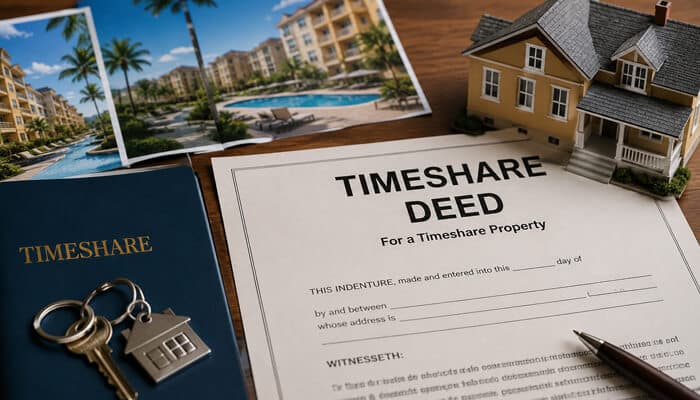
The term “owner” can be confusing because not every timeshare provides direct ownership of real estate.
A deeded timeshare may give the purchaser a recorded interest in a property, unit, interval, or ownership plan. A right-to-use program generally gives the buyer contractual access to accommodations for a defined period without transferring ownership of the underlying property.
Points-based arrangements may involve:
- Deeded property interests
- Interests held through a trust
- Vacation-club memberships
- Right-to-use agreements
- A combination of ownership and membership rights
The legal documents should explain:
- Whether the buyer receives a deed
- Whether the interest is classified as real property
- How long does the ownership or membership last
- Whether it can be inherited
- Whether it can be sold, rented, gifted, or transferred
- What happens when the program ends
- Which jurisdiction governs the agreement
- Whether benefits change after a resale transfer
The answer to what is a timeshare therefore depends partly on whether the agreement transfers a property interest or only provides permission to use accommodations.
A salesperson’s explanation does not replace the written contract. Any promise that materially affects the purchase should appear in the signed documents.
Main Types of Timeshares
Some modern programs combine more than one ownership or usage structure.
1. Fixed-Week Timeshare
A fixed-week timeshare gives the owner access to the same unit or type of accommodation during the same week each year.
For example, a contract may provide a two-bedroom villa during the first week of August.
Advantages:
- Predictable travel dates
- Less competition for the assigned week
- Easier annual vacation planning
- Useful for school holidays or recurring events
Disadvantages:
- Limited scheduling flexibility
- Difficult to use when personal plans change
- The destination may become repetitive
- Exchanges may require extra fees
A fixed week may suit families that return to the same destination at the same time every year.
2. Floating-Week Timeshare
A floating-week arrangement allows the owner to select an available week within an approved season or date range.
For example, an owner may be permitted to reserve one available week between May and September.
This provides more flexibility than a fixed week, but it does not guarantee a preferred date. Holiday weeks and peak-season periods may be reserved quickly.
Buyers should ask:
- When the reservation window opens
- Whether some owners receive earlier priority
- Which dates are excluded
- What happens when no suitable week remains
3. Points-Based Timeshare
A points-based timeshare gives the owner an annual allocation of vacation points rather than one specific week.
Points may be used for:
- Different resorts
- Various room sizes
- Short or extended stays
- Weekday or weekend bookings
- Peak-season or off-season travel
- Other travel products in some programs
A studio during an off-peak weekday may require fewer points than a three-bedroom villa during a major holiday.
Before purchasing, determine:
- How many points do common reservations require
- Whether point requirements can increase
- Whether unused points expire
- Whether points can be saved or extended
- Whether future points can be borrowed
- Which booking and cancellation fees apply
- Whether extra points are needed for desirable stays
A points program is flexible only when the owner has enough points and can find suitable availability.
4. Deeded Timeshare
A deeded timeshare gives the purchaser a legal interest in real property. The deed may identify a unit, interval, percentage, or share in a larger ownership plan.
Depending on the agreement and applicable law, the interest may be:
- Sold
- Gifted
- Transferred
- Placed in a trust
- Passed to heirs
However, the legal right to transfer a timeshare does not guarantee that another person will want it. A new owner may also become responsible for annual fees, taxes, and assessments.
5. Right-to-Use Timeshare
A right-to-use arrangement gives the purchaser contractual permission to use eligible accommodations without necessarily providing ownership of the property.
The agreement may last for:
- A specific number of years
- Several decades
- The life of a vacation club
- Another contractually defined period
When the agreement expires, the purchaser’s usage rights generally end.
6. Biennial Timeshare
A biennial timeshare provides usage every other year.
An owner may receive:
- Odd-year usage, such as 2027, 2029, and 2031
- Even-year usage, such as 2026, 2028, and 2030
This arrangement may suit people who do not take a major vacation every year. Buyers should confirm whether maintenance fees are charged annually or only during usage years.
Comparing the available ownership structures makes what is a timeshare easier to understand because every model provides different rights, booking options, and restrictions.
Timeshare Types Compared
| Timeshare type | How it works | Main benefit | Main limitation |
| Fixed week | Same resort and week each year | Predictable availability | Very limited flexibility |
| Floating week | Select an available week within a season | More date options | Popular periods may be difficult to reserve |
| Points based | Use annual points for eligible stays | More destination and room choices | Rules and point requirements can be complex |
| Deeded | Buyer receives a real-property interest | May be transferable or inheritable | Financial obligations may continue indefinitely |
| Right to use | Contract provides temporary usage rights | May have a defined end date | No permanent ownership of the property |
| Biennial | Usage occurs every second year | Suitable for less frequent travelers | Fees and reservation rules still require review |
Timeshare vs. Vacation Club vs. Fractional Ownership
These terms are sometimes used interchangeably during sales presentations, but they may describe different arrangements.
Understanding what is a timeshare also requires separating traditional timeshare ownership from vacation-club memberships and larger fractional property shares.
| Feature | Timeshare | Vacation club | Fractional ownership |
| Main purpose | Recurring vacation use | Access to a travel network | Shared ownership of a higher-value property |
| Usage | Week, season, or points | Membership-based reservations | Longer periods based on ownership share |
| Property interest | May be deeded or contractual | Often membership-based | Usually, a larger deeded share |
| Number of participants | Often, many interval owners | Potentially many members | Usually fewer co-owners |
| Ongoing expenses | Maintenance, dues, and booking fees | Membership and reservation charges | Property-management and operating expenses |
| Resale market | Often limited | Depends on membership terms | Specialized property resale market |
| Investment expectation | Usually purchased for use | Purchased for travel access | May retain value, but returns are not guaranteed |
A vacation club may charge an enrollment fee and then require separate payment for each booking. Fractional ownership normally gives each participant a larger ownership share and more annual use than a traditional one-week timeshare.
The marketing name is less important than the legal rights, restrictions, fees, and responsibilities in the contract.
The Biggest Cost Mistake Timeshare Buyers Make
Many consumers focus on the monthly payment while ignoring:
- Maintenance fees
- Club dues
- Exchange fees
- Special assessments
- Financing costs
- Future fee increases
The true cost of ownership should be evaluated over many years rather than one monthly payment.
How Much Does a Timeshare Cost?
The true cost of a timeshare extends beyond its advertised purchase price.
Anyone researching what is a timeshare should examine the full long-term expense rather than focusing only on the advertised purchase price.
The 2025 edition of the U.S. State of the Vacation Timeshare Industry study, which reports 2024 performance, lists:
- An average transaction price of $23,160
- An average annual maintenance fee of $1,480 per interval or equivalent
These figures come from an industry trade association and should be treated as broad industry averages rather than guaranteed consumer prices.
Actual costs depend on:
- Developer and resort
- Destination
- Unit size
- Travel season
- Points allocation
- Ownership structure
- Sales channel
- Financing terms
- Membership level
Common Timeshare Costs
| Cost | When it is paid | What it may cover |
| Purchase price | At closing or through financing | Deed, membership, week, or points |
| Down payment | At purchase | Part of the purchase price |
| Loan interest | Monthly or as agreed | Cost of borrowing |
| Maintenance fees | Usually annually | Operations, repairs, insurance, staffing, and reserves |
| Club dues | Annually or periodically | Administration of the vacation program |
| Reservation fees | Per transaction | Certain bookings, changes, or cancellations |
| Exchange fees | Per exchange or annually | Access to external resorts or networks |
| Housekeeping charges | Per stay in some programs | Cleaning beyond included service |
| Property taxes | Annually or through assessments | Taxes attached to some deeded interests |
| Special assessments | When imposed | Major repairs, emergencies, or reserve shortages |
| Transfer fees | When ownership changes | Administrative, title, and closing work |
| Travel expenses | Every vacation | Transportation, meals, parking, and local costs |
How Does Timeshare Financing Work?
Buyers who do not pay the full purchase price may be offered financing during the sales presentation.
A complete explanation of what is a timeshare must include financing because loan interest can substantially increase the amount ultimately paid.
Financing can make a monthly payment appear manageable, but it may substantially increase the total cost. Maintenance fees are normally separate from loan payments.
Before accepting financing, review:
- Annual percentage rate
- Loan term
- Down payment
- Total interest
- Processing or origination fees
- Fixed or variable interest
- Late-payment charges
- Prepayment conditions
- Consequences of default
- Whether the loan is secured by the timeshare
Do not evaluate a loan only by its monthly payment. A lower monthly amount may result from a longer repayment period and considerably more interest.
Illustrative Financing Example
Consider a $20,000 purchase financed for seven years at an illustrative 15% APR:
| Financing detail | Approximate amount |
| Amount financed | $20,000 |
| Monthly payment | $386 |
| Total of 84 payments | $32,419 |
| Total interest | $12,419 |
This example is for illustration only. Actual rates, fees, and loan terms vary.
Before financing, compare the developer’s offer with:
- Bank or credit-union financing
- Paying from available savings
- Buying a lower-priced resale interest
- Renting a timeshare-style unit
- Continuing to use hotels or vacation rentals
The vacation may last only several nights each year, while loan payments continue every month.
Why Timeshare Maintenance Fees Matter
Maintenance fees pay for the continuing operation and preservation of the resort.
Another part of understanding what is a timeshare is recognizing that annual fees may continue even when the owner does not use the property.
They may fund:
- Resort employees and security
- Housekeeping and landscaping
- Utilities
- Pools and fitness facilities
- Furniture replacement
- Building repairs
- Property insurance
- Management expenses
- Reservation technology
- Owners’ association administration
- Reserve funds
Owners generally remain responsible for these fees even when they:
- Do not travel
- Cannot obtain a preferred reservation
- Become ill
- Experience financial hardship
- Stop using the resort
- Are attempting to sell it
Maintenance fees can increase over time. Request at least five years of fee history rather than evaluating only the current charge.
What Is a Special Assessment?
A special assessment is an additional charge imposed beyond the regular maintenance fee. It may be required when normal revenue and reserves are insufficient to pay for a major expense.
Possible reasons include:
- Hurricane, storm, flood, or fire damage
- A large insurance deductible
- Structural repairs
- Roof or elevator replacement
- Building-code upgrades
- Major renovations
- Emergency plumbing or electrical work
- Unexpected operating deficits
Before purchasing a resale interest, confirm whether any assessment has been approved, proposed, or left unpaid.
Long-Term Timeshare Cost Example
Consider an illustrative purchase using the reported 2024 industry averages:
- Purchase price: $23,160
- First-year maintenance fee: $1,480
- Assumed annual maintenance-fee increase: 4%
- Ownership period: 10 years
- Usage: One vacation each year
Under these assumptions, maintenance fees would total approximately $17,769 over 10 years. Combined with the purchase price, the total would be approximately $40,929, or about $4,093 per year.
This calculation excludes:
- Financing interest
- Closing costs
- Property taxes
- Exchange memberships
- Reservation charges
- Special assessments
- Travel expenses
- The time value of money
- Possible resale proceeds
This is an illustration, not a prediction of future expenses.
How to Calculate the Real Cost per Vacation
When deciding what is a timeshare worth to your household, calculate the cost according to the nights you will realistically use rather than the maximum stay advertised.
Use the following formula:
Estimated annual cost = annualized purchase price + financing costs + maintenance fees + dues + average booking charges + expected assessments
Then calculate:
Cost per night = estimated annual cost ÷ nights actually used
For example, when the estimated annual cost is $3,500 and the owner uses the timeshare for seven nights:
$3,500 ÷ 7 = $500 per night
Compare that amount with:
- A comparable hotel
- A vacation rental
- A direct resort booking
- A timeshare rental
- A package vacation
Also, compare room size, kitchens, amenities, taxes, cleaning charges, booking flexibility, and cancellation rules.
How Do Timeshare Exchange Programs Work?
An exchange program allows an owner to trade a week or points for a stay at another participating property.
For travelers asking what is a timeshare with exchange access, an exchange program provides an opportunity to request other properties—not a guarantee that every listed resort will be available.
The process may involve:
- Depositing the owner’s week or points.
- Searching for available resorts and dates.
- Matching the deposited usage with eligible inventory.
- Confirming a replacement stay.
- Paying an exchange or reservation fee.
- Completing the stay under the exchange provider’s rules.
Exchange value may depend on:
- Resort demand
- Unit size
- Travel season
- Destination
- Property rating
- How early usage is deposited
- How early the replacement trip is requested
A resort shown in an exchange directory is not guaranteed to be available on an owner’s preferred dates.
Can Timeshare Points Expire?
Yes. Expiration rules depend on the individual program.
Some programs require points to be used within one year. Others allow owners to:
- Save points for a later year
- Extend an expiration date
- Borrow points from a future allocation
- Transfer points
- Convert points into another travel product
Fees may apply to each option.
Owners should also determine whether the company can change:
- Point requirements
- Reservation windows
- Cancellation rules
- Membership tiers
- Participating resorts
- Conversion values
Evaluating what is a timeshare fairly requires comparing its vacation benefits with its continuing fees, booking restrictions, and resale limitations.
What Timeshare Owners Like Most
Owners who are satisfied with their purchases often cite:
Spacious Accommodations
Many units provide separate bedrooms, kitchens, dining areas, and living rooms.
Resort Amenities
Pools, beaches, golf courses, spas, and entertainment may be available.
Vacation Consistency
Families often appreciate returning to familiar destinations.
Travel Motivation
Prepaid vacation rights encourage regular travel.
Pros of Owning a Timeshare
- Predictable Vacation Planning
A fixed week can secure the same annual travel period, which may benefit families with stable work and school schedules.
- Larger Accommodations
Timeshare units frequently include separate bedrooms, kitchens, living rooms, dining areas, laundry facilities, and multiple bathrooms.
- Resort Amenities
Depending on the property, owners may receive access to pools, fitness centers, restaurants, children’s activities, golf courses, beaches, entertainment, and concierge services.
- Encouragement to Vacation Regularly
Because owners have already committed money to the program, they may be more likely to plan an annual trip.
- Multiple Destination Options
Points and exchange systems may provide access to different destinations, room types, and travel periods.
- Familiar Standards
A branded resort network may offer more predictable accommodation standards than an unfamiliar independent rental.
The Biggest Timeshare Complaints
Common complaints include:
Rising Maintenance Fees
Annual costs may increase over time.
Booking Frustrations
Popular destinations and holidays can be difficult to reserve.
Resale Challenges
Many owners struggle to find buyers.
Long-Term Obligations
Financial responsibilities may continue even when travel habits change.
Unexpected Assessments
Major repairs and emergencies can create additional costs.
Cons of Owning a Timeshare
- High Initial Price
The purchase cost can be substantial, particularly when buying directly from a developer.
- Continuing Fees
Maintenance fees, club dues, taxes, booking charges, and assessments may continue even when the owner does not travel.
- Limited Availability
Popular destinations and holiday periods may require reservations far in advance.
- Long-Term Commitment
Some agreements last for decades or continue indefinitely. Health, finances, family needs, and travel preferences can change during that time.
- Difficult Resale Process
A timeshare may be difficult to sell, and its resale price can be far below the original developer price.
- Reduced Travel Flexibility
Owners may feel pressure to use one resort network when another destination or booking method would be more convenient.
- Complex Program Rules
Points charts, booking windows, exchange procedures, cancellation policies, and membership levels can be difficult to understand.
- Unexpected Assessments
Major repairs, insurance costs, disasters, or inadequate reserves may result in additional charges.
Timeshare Pros and Cons at a Glance
| Pros | Cons |
| Predictable annual vacation | Significant purchase price |
| Spacious accommodation | Recurring maintenance fees |
| Resort-style amenities | Fees can increase |
| Fixed-week certainty | Fixed dates reduce flexibility |
| Points may provide more choices | Points systems can be complicated |
| Exchange opportunities | Preferred exchanges are not guaranteed |
| Familiar resort experience | Resale may be difficult |
| Useful for some families | Long-term financial commitment |
Why Most Experts Do Not View Timeshares as Investments
Traditional investments are generally purchased with the expectation of generating appreciation, income, or both.
Timeshares are different because:
- They often depreciate.
- Annual fees continue.
- Resale demand may be limited.
- Liquidity can be poor.
- Ownership costs may exceed resale proceeds.
For this reason, many financial professionals recommend evaluating a timeshare based on vacation value rather than expected profit.
Is a Timeshare a Good Investment?
A timeshare generally should not be purchased primarily to generate a financial return.
When people ask what is a timeshare as an investment, the more useful approach is to measure the vacations received rather than expecting the ownership to appreciate.
Unlike a conventional investment, a timeshare may:
- Lose resale value
- Require continuing annual payments
- Produce no guaranteed income
- Have limited buyer demand
- Restrict commercial rentals
- Cost money to transfer or exit
The Federal Trade Commission advises consumers to evaluate a timeshare for its vacation use rather than treating it as a financial investment. [1]
This does not mean every timeshare is a poor purchase. It means its value should be measured through vacations actually used and enjoyed—not assumed appreciation.
Who May Benefit From a Timeshare?
A timeshare may suit someone who:
- Vacations almost every year
- Prefers resort accommodation
- Can plan trips well in advance
- Likes returning to the same destination or network
- Understands the reservation system
- Can comfortably afford increasing annual fees
- Plans to use the product for many years
- Values kitchens and larger living areas
- Has compared developer and resale prices
- Accepts that resale value may be limited
Who Should Avoid Buying a Timeshare?
A timeshare may not suit someone who:
- Has an unpredictable schedule
- Prefers spontaneous travel
- Regularly changes destinations
- Needs high-cost financing
- Has limited emergency savings
- Dislikes long-term contracts
- Expects property appreciation
- Does not understand the points system
- Cannot comfortably absorb higher annual fees
- May not travel consistently
- Feels pressured to sign immediately
A promotional gift or discounted trip should not determine a decision involving years of financial obligations.
Timeshare vs. Hotel vs. Vacation Rental
| Factor | Timeshare | Hotel | Vacation rental |
| Initial purchase | Usually required | None | None |
| Annual obligation | Usually required | None | None |
| Booking flexibility | Depends on the program | Generally flexible | Generally flexible |
| Kitchen and living space | Common | Not always included | Common |
| Resort amenities | Often available | Common at full-service hotels | Varies |
| Maintenance responsibility | Paid through owner fees | Included in room rate | Included in booking price |
| Cancellation flexibility | Often limited | Depends on rate | Depends on host or platform |
| Long-term commitment | May last years or indefinitely | None | None |
| Resale concern | Yes | No | No |
| Best suited for | Consistent resort travelers | Flexible short stays | Families and varied destinations |
Travelers can sometimes rent a timeshare unit from an existing owner without accepting ownership obligations. Renting first can help determine whether the resort experience justifies a long-term purchase.
Questions Every Buyer Should Ask
How Much Will This Cost Me Over 10 Years?
Calculate the purchase price, maintenance fees, assessments, financing costs, and travel expenses.
What Happens if I Stop Using It?
Determine whether fees continue and what exit options exist.
How Difficult Is It to Sell?
Research actual resale activity instead of relying on sales-presentation claims.
Can I Rent Before Buying?
Experiencing the resort first may reduce the risk of buyer regret.
How to Evaluate a Timeshare Before Buying
A timeshare should be assessed as carefully as any other significant long-term financial commitment.
Before deciding what is a timeshare worth over the long term, compare the contract length, realistic usage, total financing cost, annual fees, and available alternatives.
Questions About Ownership
- Is the interest deeded or contractual?
- When does the agreement end?
- Can it be inherited?
- Which jurisdiction governs the contract?
- Can it be sold, rented, gifted, or transferred?
Questions About Reservations
- How early can bookings be made?
- Do some membership tiers receive priority?
- How much availability exists during holidays?
- What happens when the preferred resort is unavailable?
- Can point requirements change?
- Do unused points expire?
Questions About Costs
- What is the complete purchase price?
- What APR applies to financing?
- What is the total amount paid over the loan term?
- What are the current annual fees?
- How much have fees increased during the past five years?
- Have owners received special assessments?
- Which reservation, exchange, and transfer fees apply?
Questions About Resale and Exit
- Does the developer offer a surrender or deed-back program?
- Must the loan be paid off before surrender?
- Must all fees be current?
- Which transfer restrictions apply?
- Which benefits disappear after resale?
- What happens after an owner dies?
Get every important answer in writing.
Documents to Review Before Signing
The following documents may determine the buyer’s rights and responsibilities.
- Purchase Agreement
Review the total price, financing terms, ownership rights, usage restrictions, cancellation instructions, and buyer obligations.
- Public Offering Statement or Disclosure Report
Where required, this may explain the developer, property, ownership structure, expenses, assessments, restrictions, and legal risks.
- Declaration, Covenants, or Trust Documents
These documents may establish the timeshare plan, owners’ association, trust, or vacation-club structure.
- Association Bylaws
Review owner voting rights, board elections, meeting rules, record access, budgeting procedures, and dispute policies.
Financial Records
Look for:
- Reserve contributions
- Insurance expenses
- Management charges
- Unpaid owner assessments
- Planned renovations
- Proposed special assessments
- Pending legal disputes
Reservation and Points Rules
Request the current points chart, reservation windows, cancellation policy, banking and borrowing rules, guest policy, membership benefits, and complete fee schedule.
Resale and Transfer Rules
Determine whether a future resale purchaser would receive the same membership, exchange, and reservation privileges.
Cancellation Notice
Identify:
- The final cancellation date
- Required wording
- Delivery address
- Acceptable delivery methods
- Proof-of-delivery requirements
Keep copies of every contract, advertisement, receipt, email, points chart, and written sales promise.
How to Check a Resort’s Financial Health
A visually attractive resort can still have inadequate reserves, high owner delinquencies, or expensive future repairs.
Request or review:
- The current annual budget
- Recent financial statements
- Reserve-fund information
- Maintenance-fee history
- Assessment history
- Insurance coverage
- Planned repairs and renovations
- Unpaid owner balances
- Pending legal disputes
- Management charges
When many owners fail to pay assessments, the resort may have less money for operations and repairs. Remaining owners could face higher fees, reduced services, delayed improvements, or additional assessments.
Ask:
- How much is held in reserve?
- Which repairs are expected during the next five to ten years?
- Are reserve contributions included in annual fees?
- Has an independent reserve study been completed?
- Are recommended contributions being funded?
- Have reserves been used for routine expenses?
A low maintenance fee is not necessarily a positive sign when a property is failing to prepare for future repairs.
What Happens if a Resort Closes or Changes Management?
A resort may experience:
- Financial distress
- Disaster damage
- Loss of insurance
- Major reconstruction
- Brand-affiliation changes
- Management-company replacement
- Temporary closure
- Termination of the timeshare plan
The outcome depends on the ownership structure, governing documents, insurance, finances, association decisions, and applicable law.
Before buying, ask:
- What insurance protects the property?
- Who pays the deductible after a disaster?
- Can owners be charged an assessment?
- Do fees continue during a closure?
- Are substitute accommodations available?
- Can the ownership plan be terminated?
- How would remaining assets and liabilities be handled?
Do not assume that a well-known hotel brand owns the property or guarantees every obligation. The brand may provide only management, licensing, marketing, or reservation services.
Buying From a Developer vs. Buying Resale
| Factor | Developer purchase | Resale purchase |
| Purchase price | Often higher | May be substantially lower |
| Incentives | May include bonus points or temporary benefits | Usually limited |
| Financing | Commonly offered | Separate financing may be required |
| Membership benefits | Usually includes direct-purchase privileges | Some benefits may be restricted |
| Closing process | Managed by the developer | Requires independent verification |
| Due diligence | Contract and program review | Contract, title, fees, transfer rules, and seller authority |
Before purchasing a resale interest, verify:
- The seller legally owns it
- The listing matches the deed or contract
- No unpaid fees or assessments exist
- The resort will recognize the transfer
- The purchaser will receive the expected benefits
- A qualified closing or escrow provider will handle the transaction
A low resale price does not eliminate annual obligations.
What Happens at a Timeshare Sales Presentation?
Timeshare promotions may offer:
- Discounted accommodation
- Gift cards
- Free meals
- Attraction tickets
- Travel certificates
- Resort credits
In return, visitors agree to attend a sales presentation. The meeting may include a resort tour, product explanation, financing offer, and repeated attempts to complete a sale.
Be cautious when a salesperson claims:
- The price is available only today
- The timeshare is guaranteed to increase in value
- Maintenance fees will never rise
- Reservations are always available
- The owner can easily rent it for profit
- The developer will automatically repurchase it
- The agreement can be canceled at any time
- An exchange membership guarantees luxury stays
- Verbal promises do not need to appear in the contract
A worthwhile long-term purchase should remain attractive after the buyer has reviewed the documents away from the sales environment.
Can You Cancel a Timeshare Purchase?
Many jurisdictions provide a short period during which a purchaser may cancel after signing. This may be called a rescission, cooling-off, or cancellation period.
The deadline and required procedure depend on the governing law and contract.
For example, qualifying Florida timeshare purchasers generally have until midnight on the tenth calendar day after the later of signing the contract or receiving the required documents. [3] Other jurisdictions use different deadlines.
To protect a cancellation right:
- Read the cancellation section immediately.
- Follow the required procedure precisely.
- Use the exact address stated in the contract.
- Send the notice before the deadline.
- Keep copies of the notice and agreement.
- Obtain tracking or proof of delivery.
- Do not rely only on a telephone conversation.
Missing the deadline can make cancellation considerably more difficult.
How Can You Get Out of a Timeshare?
Exit options depend on the contract, loan balance, resort policies, market demand, and applicable law.
- Use the Rescission Period
A recent purchaser should immediately check whether the cancellation period remains open.
- Contact the Developer or Resort
Ask about:
- Deed-back programs
- Voluntary surrender
- Relinquishment
- Hardship assistance
- Internal resale support
- Ownership-transition programs
Contacting the resort directly is generally a sensible first step before paying an outside company.
- Sell the Timeshare
Possible channels include a licensed real-estate broker, legitimate resale marketplace, developer-approved service, or specialist timeshare broker.
Owners should maintain realistic price expectations.
- Transfer or Gift It
Another person may agree to accept the interest, but that person must understand the annual costs and legal responsibilities.
- Rent Permitted Usage
Some programs allow owners to rent a reservation. Others restrict commercial rentals, advertising, or guest bookings.
- Seek Independent Legal Advice
Legal assistance may be appropriate when a case involves fraud, misrepresentation, incapacity, inheritance, foreclosure, unclear title, or unauthorized transfers.
How to Avoid Timeshare Resale and Exit Scams
Warning signs include:
- Unsolicited calls claiming a buyer is waiting
- Guaranteed resale prices
- Promises to recover the original purchase cost
- Large upfront fees
- Requests for wire transfers or cryptocurrency
- Claims that government taxes must be paid first
- Instructions to stop paying the resort immediately
- Refusal to provide a written agreement
- Pressure to make a quick decision
- Claims that cancellation is guaranteed
Before hiring a reseller or exit company:
- Verify required licenses
- Research complaints and enforcement actions
- Confirm the physical business address
- Determine who will perform any legal work
- Request a detailed written agreement
- Review the refund policy
- Avoid large advance payments
- Compare the service with direct resort options
- Never sign documents you do not understand
The FTC warns that owners may be targeted by resale and exit companies promising guaranteed buyers, high returns, or easy cancellation. [1]
Stopping payments without understanding the consequences may lead to late fees, collection activity, credit damage, legal action, liens, or foreclosure.
Special Risks of International Timeshares
An overseas timeshare can create additional legal and financial risks.
Before signing, investigate:
- Which country’s laws apply
- Whether the interest is ownership or membership
- Which language controls the agreement
- Which currency is used
- How exchange rates affect annual fees
- Whether foreign taxes apply
- Where disputes must be filed
- Which cancellation rights apply
- How transfer and inheritance rules work
Do not assume that consumer protections from the buyer’s home country apply to a foreign transaction.
Obtain an independent translation when necessary. A salesperson’s summary may omit obligations contained in the controlling contract.
Be cautious of later contacts claiming:
- A foreign buyer is ready to purchase the timeshare
- Taxes must be paid before proceeds are released
- A government body is holding money
- A special bond or permit is required
- Funds must be wired to complete the sale
- Cancellation is guaranteed
Verify the caller and company independently using official contact information.
Are Timeshare Expenses Tax-Deductible?
Purchasing a timeshare does not automatically create a tax deduction.
Tax treatment may depend on:
- Whether the interest is deeded
- How it was financed
- Whether it is used personally
- Whether it is rented
- How expenses are documented
- Current tax law
Potential issues include mortgage interest, property taxes, rental income, rental expenses, depreciation, personal-use limits, inheritance basis, and gains or losses.
Annual maintenance fees are generally personal operating expenses when the timeshare is used for personal vacations. Different rules may apply when the property is legitimately rented and generates reportable income.
The IRS states that rental payments generally constitute taxable income and that mixed personal and rental use may require expenses to be divided between those uses. [4]
Keep records of:
- Personal-use dates
- Rental dates
- Rent received
- Advertising and platform charges
- Cleaning expenses
- Maintenance costs
- Taxes
- Insurance
- Relevant loan interest
Consult a qualified tax professional before claiming deductions or reporting a sale, rental, inheritance, or transfer.
Where to Report a Timeshare Problem
Before filing a complaint, collect contracts, payment records, advertisements, emails, letters, call logs, names, dates, and proof of delivery.
Depending on the issue, contact:
- The developer’s complaint department
- Resort management
- The owners’ association
- A state real-estate or timeshare regulator
- A state attorney general
- A consumer-protection agency
- The lender or loan servicer
- The Federal Trade Commission
- The Consumer Financial Protection Bureau for eligible financial complaints
- Local law enforcement when criminal conduct is suspected
- A qualified attorney
A clear complaint should include the company’s legal name, timeline, disputed conduct, amount paid, supporting documents, earlier resolution attempts, and requested outcome.
Keep original records unless an agency specifically requests them.
Final Timeshare Evaluation Checklist
Before signing, confirm that you have:
- Identified the legal ownership structure
- Read the complete purchase agreement
- Located the cancellation instructions
- Calculated the full financed cost
- Reviewed several years of annual fees
- Asked about existing and proposed assessments
- Examined budgets and reserve information
- Tested actual booking availability
- Compared developer and resale prices
- Reviewed exchange fees and restrictions
- Investigated the developer and management company
- Compared costs with hotels and rentals
- Confirmed rental and transfer limitations
- Considered inheritance implications
- Obtained every important promise in writing
- Reviewed the documents without sales pressure
Do not purchase solely because the monthly payment appears affordable. A small payment may conceal a high interest rate, lengthy loan term, or substantial total cost.
Editorial Methodology
This guide is based on consumer-finance principles, vacation-ownership industry practices, public regulatory guidance, contract structures, ownership models, and timeshare consumer-protection resources.
Because timeshare programs differ substantially, consumers should review the specific contract, disclosures, fee schedules, and cancellation provisions applicable to their purchase before making a decision.
Final Verdict
Understanding what is a timeshare means looking beyond resort presentations, promotional gifts, and attractive monthly payment offers. A timeshare is a long-term vacation product that may provide spacious accommodations, familiar resort amenities, and predictable travel. However, it can also involve recurring expenses, reservation limitations, special assessments, and challenging exit decisions.
Timeshares may be suitable for travelers who vacation regularly, plan their trips well in advance, understand the resort’s reservation system, and can comfortably afford maintenance fees that may increase over time. Travelers who prefer spontaneous trips, easy resale, property appreciation, or minimal long-term responsibility may find hotels, vacation rentals, direct resort bookings, or renting from an existing timeshare owner more practical.
Before purchasing, calculate the complete long-term cost, compare alternative accommodations, investigate the resort’s financial condition, and carefully review every contract. Confirm the cancellation or rescission period, understand the resale limitations, and ensure that every promise made by a salesperson appears in writing.
Ultimately, answering what is a timeshare is only the first step. The more important question is whether its costs, restrictions, and vacation structure genuinely match your travel habits and financial plans. A careful decision made without sales pressure is far more valuable than any limited-time incentive.
What is a timeshare? FAQs
1. What is a timeshare, and how does it work?
A timeshare is a vacation-ownership arrangement in which several buyers share the right to use the same resort property at different times. Depending on the contract, an owner may receive a fixed week, a floating week, deeded ownership, temporary usage rights, or annual vacation points. Owners normally pay an upfront purchase price and recurring maintenance fees.
2. What is a timeshare compared with a hotel or vacation rental?
A timeshare usually involves a long-term contract, recurring annual fees, and reservation rules. A hotel or vacation rental is booked only when needed and does not create an ongoing ownership obligation. Timeshares may provide larger accommodations and resort amenities, while hotels and rentals generally offer greater flexibility and easier cancellation.
3. What is a timeshare maintenance fee, and does it increase?
A timeshare maintenance fee is a recurring charge used to pay for resort operations, repairs, staffing, insurance, utilities, amenities, and reserve funds. These fees can increase as operating and renovation costs rise. Owners usually remain responsible for maintenance fees even when they do not use their annual vacation time.
4. What is a timeshare worth as an investment?
A timeshare is generally better viewed as a vacation product than as a financial investment. Many timeshares lose resale value, have limited buyer demand, and require continuing annual payments. Its practical value depends on how frequently the owner uses it and whether the total cost compares favorably with hotels, vacation rentals, and direct resort bookings.
5. What is a timeshare cancellation period?
A timeshare cancellation period, also called a rescission or cooling-off period, is a limited period during which a qualifying buyer may cancel the purchase. The deadline and cancellation procedure depend on the contract and applicable law. Buyers should follow the written instructions exactly, submit the notice before the deadline, and keep proof of delivery.
