



Metal detecting can turn an ordinary walk through a beach, park, field, or historic property into a search for objects that have been lost or buried for years. But what do metal detectorists actually find most often?
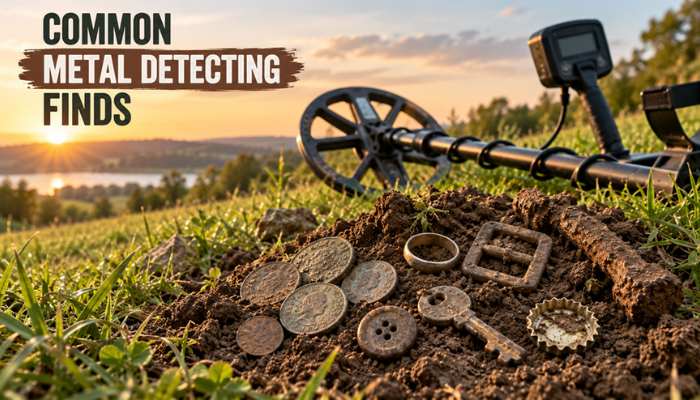
The answer is a mixture of everyday objects and potentially valuable discoveries. Coins, jewelry, bottle caps, pull tabs, iron objects, buttons, buckles, keys, and historical relics are among the finds commonly recovered. What appears beneath the search coil depends heavily on the location, its history, the type of soil, and the objects that people have lost there over time.
The Most Common Metal Detecting Finds
1. Coins
Coins are among the most recognizable and frequently recovered metal detecting targets.
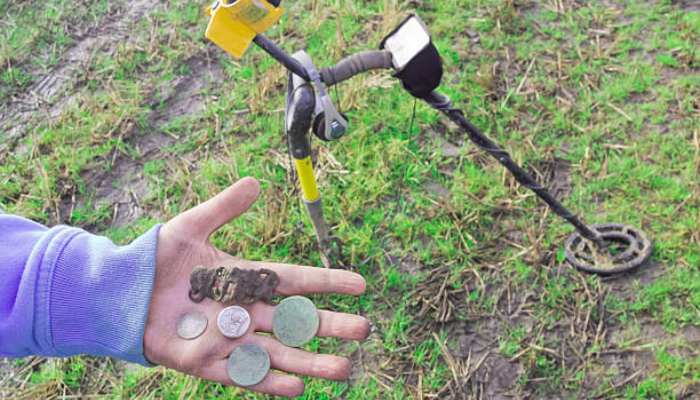
Modern coins are common in places where people regularly gather, including parks, beaches, sports fields, picnic areas, and walking trails. Older properties and historic sites can produce coins that have been underground for decades or even centuries.
The condition and value of a coin can vary considerably. A common modern coin may have little monetary value, while an older, rare, or precious-metal coin can be considerably more significant.
Coins are also relatively easy to recognize, making them one of the most rewarding finds for beginners.
2. Jewelry
Rings, earrings, bracelets, pendants, and other pieces of jewelry are another common category of metal detecting finds.
Beaches and recreational areas can be particularly interesting because jewelry can be accidentally dropped while people are swimming, playing sports, or spending time outdoors. Rings are especially popular targets because they can be made from metals such as gold, silver, platinum, or other alloys.
Not every jewelry signal represents a valuable item, however. Costume jewelry and inexpensive metal pieces are also frequently recovered.
3. Bottle Caps and Pull Tabs
Not every signal leads to treasure.
Bottle caps and aluminum pull tabs are extremely common finds, particularly in modern recreational areas. Their metal composition can produce signals that sometimes overlap with the response of desirable targets.
This is one reason experienced detectorists spend time learning their detector’s target identification and audio responses. Digging unwanted targets can be part of the process of learning how different objects behave underground.
4. Iron Objects
Iron is another major category of metal detecting finds.
Common examples include:
- Nails
- Screws
- Wire
- Bolts
- Tools
- Horseshoes
- Machinery parts
- Other pieces of hardware
Iron objects are particularly common around old homesites, farms, workshops, construction areas, and locations with a history of human activity.
Although many iron finds have little monetary value, they can sometimes provide useful clues about what a location was used for in the past.
5. Buttons and Buckles
Buttons and buckles may look insignificant at first, but older examples can be interesting historical finds.
Clothing buttons can be made from different metals and materials, and their design may provide clues about the period in which they were produced. Belt buckles, shoe buckles, harness fittings, and similar fasteners can also be associated with earlier periods of everyday life.
At older properties, these objects can help build a picture of how people lived and what activities took place at the site.
6. Keys and Small Metal Objects
Keys are another common discovery.
Modern keys can be lost in parks, around buildings, near vehicles, or along walking routes. Older keys can be particularly interesting when recovered from historic properties.
Detectorists also encounter countless miscellaneous objects, including aluminum fragments, pieces of hardware, lead items, wire, and unidentified metal fragments.
These finds may not have much monetary value, but identifying an unknown object can still be part of the appeal of the hobby.
7. Historical Relics
Historical relics are among the finds that can make metal detecting especially interesting.
Depending on the location, detectorists may encounter:
- Military buttons
- Old tools
- Agricultural implements
- Household objects
- Buckles
- Trade-related objects
- Other artifacts associated with earlier periods
The importance of a relic depends on factors such as its age, rarity, condition, location, and historical context.
In some areas, laws regulate the detection, removal, ownership, or reporting of archaeological and historical objects. Detectorists should always research local regulations and obtain permission before searching private or protected land.
What Do Metal Detectorists Find in Different Locations?
The location being searched can have a major effect on the types of objects recovered.
| Location | Common Finds |
| Beaches | Coins, rings, jewelry, bottle caps |
| Parks | Coins, jewelry, keys, aluminum |
| Old homesites | Coins, buttons, buckles, tools |
| Farms and fields | Iron objects, farm relics, coins |
| Historic sites | Coins, buttons, buckles, historical relics |
For example, a modern beach has a different history of human activity from an abandoned homestead. A beach may produce recently lost jewelry and coins, while an older property can contain objects accumulated over several generations.
This is why researching a location before detecting can be just as important as choosing the right equipment. Modern metal detectors use different technologies and settings to respond to targets, so understanding the type of ground and objects you’re searching for can also help you choose an appropriate detector for the environment.
Which Metal Detecting Finds Are Most Valuable?
The most common finds are not necessarily the most valuable.
Gold jewelry can have significant material value, while rare coins may be worth considerably more than their face value. Silver coins can also be desirable, particularly when they are old, rare, or in good condition.
Historical artifacts are different. Their importance may not be determined by precious-metal content alone. Age, rarity, provenance, condition, and historical context can all influence their significance.
A seemingly ordinary object can therefore be more interesting than a newer item made from a valuable metal.
Why Are Some Metal Detecting Finds More Common Than Others?
Several factors influence what appears beneath the search coil.
Location History
A location that has experienced human activity for hundreds of years has had far more opportunities for objects to be lost, discarded, or buried.
Human Activity
Places where people regularly gather tend to accumulate more recently lost objects. Parks, beaches, fairgrounds, and sports fields are examples.
Target Material
Different metals interact differently with a detector’s electromagnetic field. The composition of an object can affect how it responds.
Target Size and Shape
The size, shape, orientation, and depth of an object can influence its signal.
Soil Conditions
Mineralized soil can make detecting more challenging and may affect target responses and detection depth.
Detector and Coil Characteristics
Different detectors and search coils are designed with different capabilities. Frequency, coil size, technology, sensitivity, and recovery characteristics can all affect how targets are detected.
How to Identify a Metal Detecting Find
Finding an object is only the beginning. Identifying it can sometimes be just as interesting.
Start by recording where the object was discovered and approximately how deep it was buried. Its location can provide useful historical context.
Next, examine its shape, size, material, markings, and construction. Coins may have dates or mint marks, while buttons and buckles may contain designs that help identify their age or origin.
Avoid aggressively cleaning objects that could be valuable or historically significant. Scratching, polishing, or using harsh chemicals can damage the surface and potentially reduce an object’s value or destroy useful evidence.
For unusual artifacts, professional identification may be appropriate.
What Can Metal Detecting Finds Tell You About a Location?
Individual discoveries can sometimes reveal more than the object itself.
A concentration of coins may indicate an area where people gathered. Buttons and buckles can provide clues about clothing and everyday activities. Agricultural hardware may point toward former farming activity, while military objects may indicate a connection with historical events.
When multiple objects are found together, their locations and characteristics can provide a broader picture of how a particular site was used.
This is one reason responsible metal detecting can be more than simply searching for valuable objects. The finds can provide small pieces of information about the people and activities that came before.
Frequently Asked Questions
What do metal detectorists find most often?
Coins, jewelry, bottle caps, pull tabs, iron objects, buttons, buckles, keys, and other everyday metal objects are among the most common finds. The exact mix depends on the location and its history.
What is the most common thing found with a metal detector?
Coins and modern metal objects are commonly recovered, particularly in places such as parks, beaches, and other areas with frequent human activity.
What is the most valuable thing found with a metal detector?
Potentially valuable discoveries include gold jewelry, rare coins, silver coins, and certain historical artifacts. Value depends on factors such as rarity, condition, authenticity, material, and historical significance.
Can metal detectors find gold?
Yes. Metal detectors can detect gold, although the ability to detect very small gold targets depends on factors such as the detector’s technology, operating frequency, coil, soil conditions, target size, and depth.
Where are people most likely to find coins with a metal detector?
Parks, beaches, sports fields, picnic areas, walking routes, and locations with a history of human activity can contain lost coins. Older sites may also contain older and potentially more valuable coins.
What are the most common beach metal detecting finds?
Coins, rings, earrings, other jewelry, bottle caps, pull tabs, and other modern metal objects are commonly found on beaches.
Final Thoughts
Most metal detecting trips do not end with a rare coin or a valuable piece of jewelry. Many searches produce ordinary objects such as bottle caps, nails, pull tabs, keys, and modern coins.
However, that’s part of what makes the hobby interesting. The same search can produce an everyday object, a decades-old coin, or an artifact that offers a glimpse into the history of a location.
The types of finds encountered ultimately depend on where you search, what happened there before, and how carefully you investigate the signals beneath the ground.
