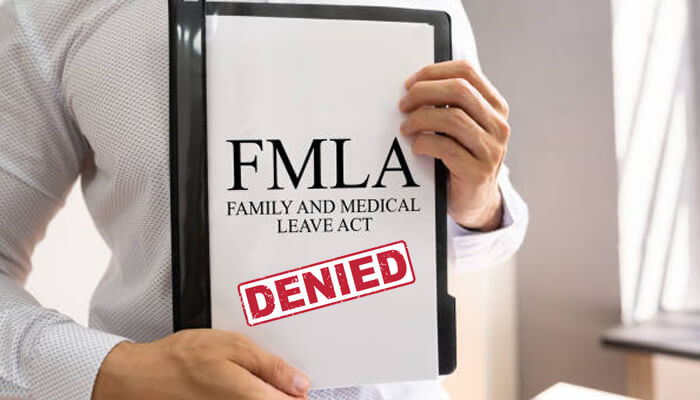
The Family and Medical Leave Act. It’s a robust act. It provides eligible employees – those who have worked in the company for at least 12 months, completed 1,250 hours of service within the last year, and are one of 50+ employees within 25 miles – with up to 12 weeks of unpaid, job-protected leave per year.
Whether you’ve just welcomed a new baby or need to help a relative facing a major illness, your FMLA request should be approved. As long as you meet the eligibility requirements, of course. But problems arise when the request is denied. What do you do then?
Fortunately, there are steps you can take. To make the process easier – and provide you with some peace of mind – five common steps have been outlined below.
1. Request the Reason in Writing
First thing first, the reason why. If your employer provided a reason verbally, then you need that reason in writing. A written and signed document from your employer – or a HR representative – serves as official evidence of the denial. It should include the exact date and reason provided. You’ll need this information if you need to file a complaint later.
There are numerous reasons why a FMLA request could be denied. Maybe your paperwork was incomplete. Maybe you failed to meet the technical eligibility – like the number of hours worked. Or maybe you didn’t provide a medical certificate. Some of these reasons can be fixed, and your request might then be approved.
2. Check Your Documentation
As previously mentioned, your request could be denied for any number of reasons. If you receive the reason in writing, you can then check your documentation. This allows you to identify any errors, confirm your eligibility, and challenge wrongful denials.
Reviewing the records will help to verify you did meet all the requirements – as well as your employer. While you might have missed or left medical certifications incomplete, it is also entirely possible that there were employer-side processing errors.
3. Speak with HR

The next step is to speak with a HR representative about your denied FMLA request. This is particularly important if there are any aspects you are struggling to understand. HR can clarify why this particular decision was met and explain any corrections that are required. They could even explain the appeals process, if that is something you wish to pursue.
But there are also alternative leave methods you might explore. Your HR representative will explain these. You might have the option of Americans with Disabilities Act (ADA) accommodations or employer-provided leave, if FMLA is not applicable.
4. File a Complaint
Now, if the FMLA denial is unjustified, you might want to take this further – especially if HR were unable to help. It is, after all, your legal right to unpaid, job-protected leave. This is when you should file a complaint with the US Department of Labor Wage and Hour Division.
The website clearly states that prohibited conduct include “refusing to authorize FMLA leave for an eligible employee.” With this in mind, you should make your complaint. This will create an official record of the violation and even enable the DOL to investigate the violation.
Complaints can be made in person, by mail, or by phone. Remember, there are strict deadlines for filing complaints, though, so it is essential that you act quickly.
5. Consider Legal Action
Some employees will consider legal action, too. This is well within their rights. You might be even more inclined to do this if you faced retaliation for completing the previous steps. An employment lawyer with experience in FMLA leave will provide protection for qualified medical or family health issues.
There are two main legal options for employees whose FMLA rights have been violated:
- File a complaint with the Secretary of Labor
- Fite a private lawsuit to seek compensation or reinstatement.
Your chosen lawyer should have the knowledge to help you make this choice. This is why it is vital to select a legal team that has experience and past successes.
HKM employment attorneys have decades of experience. They will understand if your local statutes offer even more security than federal mandates. This is actually the case in California, for example, with the California Family Rights Act and the Pregnancy Disability Leave law.
To conclude, if your FMLA leave request was denied, you might feel stuck. This doesn’t need to be the case. There are steps you can take to correct this wrong, especially if your employer has acted against the law.