




Did you know that heart disease has silently become the leading cause of death in the world and has claimed almost 17.9 million lives each year, according to the statistics published by WHO. Imbalance in cholesterol levels has been listed among the top causes for the same. Here’s the part worth knowing upfront: cholesterol isn’t the villain it’s often made out to be. Your body actually needs it to function.
In this guide, we will look at what cholesterol is, how the “good” and “bad” types differ, what your test numbers mean, and when it makes sense to sit down with a cardiologist in Mumbai to talk about your heart health.
What is Cholesterol?
Cholesterol is a waxy, fatty-like material that travels through the bloodstream. Your body actually puts it to good use. It helps form your cells, makes hormones, and even helps produce vitamin D.
Here’s something interesting, though. Your liver makes all the cholesterol your body really needs on its own. The rest comes in through what you eat, mostly through meat, cheese, and eggs.
Cholesterol does not flow freely in the bloodstream. It needs small carrier particles called lipoproteins to move around your system. That is how those “good” and “bad” tags got their names.
The Good, the Bad, and the Rest
There are two main kinds of cholesterol worth knowing, plus one more fat that usually shows up on the same report.
- LDL: It simply refers to bad cholesterol. LDL is an abbreviation for low-density lipoprotein. The higher it is, the more fat accumulation in your arteries.
- HDL: This is the good cholesterol in your body. HDL stands for high-density lipoprotein. It picks up spare cholesterol from around the body and drops it back at the liver, which then clears it away. A higher HDL is usually linked to a lower risk of heart disease.
- Triglycerides: These are a different kind of fat category present in your bloodstream. They become higher due to excess sugar, alcohol, or increased body mass.
What Do Your Numbers Mean?
Checking your cholesterol numbers is actually one of the simplest things you can do to take care of your heart. Cleveland Clinic reports that the healthy person’s numbers should be:
- Total Cholesterol: Under 200 mg/dL
- LDL or Bad Cholesterol should be less than 100 mg/dL
- HDL: 40 mg/dL for men & 50 mg/dL for women; higher is better
- Triglycerides should be less than 150 mg/dL.
Not all are made for these numbers. If diabetes, high pressure, or heart diseases run in your family it is recommended to keep the levels lower than the average level. A good doctor specialized in cholesterol and heart care in Mumbai can work out the right target for you.
What Are the Factors Responsible For High Cholesterol Levels?
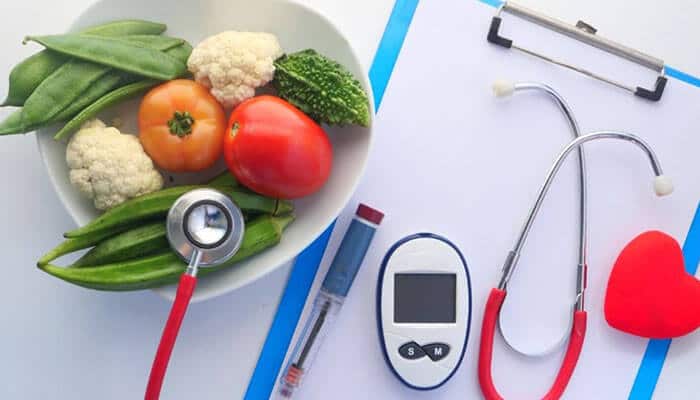
- Weight and Activity: Carrying extra weight and sitting around too much tends to drop your good HDL and lift your bad LDL.
- Food: Too many fried, packaged, and fatty foods cause an increase in LDL levels.
- Smoking: It damages your blood vessels and pulls down that helpful HDL.
- Family History and Age: It can run in the family, however careful your diet is. And it tends to rise quietly as you age.
How Can You Control Your Cholesterol Levels?
- Lose Some Weight – Even just a little extra can affect your cholesterol.
- Get Active – 30-minute walk per day. It increases your good HDL and reduces your bad LDL.
- Eat Healthy Foods – Fruits and vegetables, whole grains, and seafood.
- Get Tested – Regular checkups help identify the problem at its initial stage.
Sometimes your target isn’t the standard one. Family history of diabetes and/or High BP matters here. In such a case, your doctor may recommend that you have a lower-than-normal cholesterol level.
When Should You Consult a Cardiologist?
A visit to a cardiologist in Mumbai is recommended
- If your cholesterol levels are elevated,
- There are some risk factors such as diabetes and hypertension,
- Family history of heart disease.
- Do not underestimate the symptoms of chest pain, shortness of breath that occurs during exercise, and constant fatigue.
The good part about consulting a good doctor specialising in cholesterol and heart care in Mumbai is that they look at the whole picture, not just at one isolated figure in a report, and help develop an action plan that works for you. Various hospitals in Mumbai offer lipid profile tests, heart screenings, and cardiologists’ consultations in one place, turning a confusing report into a practical action plan.
The Bottom Line About Managing Cholesterol
Cholesterol isn’t something to be much worried about because at the end of the day, it comes down to balance. Keep your good and bad cholesterol at healthy levels. Eat well. Exercise regularly. Stay off cigarettes, and get tested on time.
Schedule your heart health check-ups today and speak to a doctor. Your lipid profile test and consultation with a cardiologist in Mumbai will help you understand everything clearly.
