


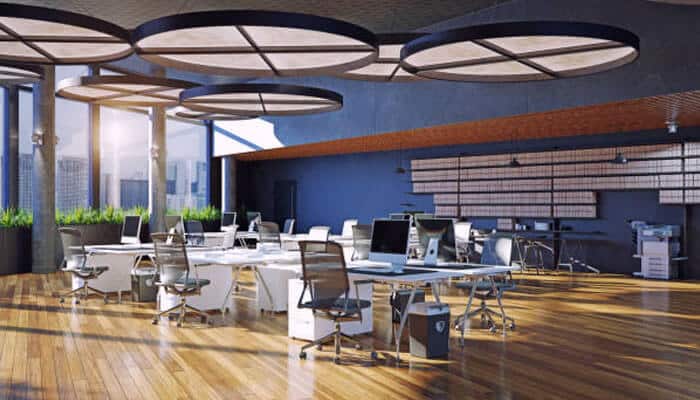

In the ever-evolving landscape of commercial office design, staying ahead of emerging trends is crucial for creating workspaces that are both functional and innovative. As new ways of working reshape how businesses utilize office environments, companies are turning to up-to-date build-out strategies to stay competitive and attract talent. Whether you are planning a new office or redesigning an existing space, understanding these trends is vital for long-term success. Learn more about commercial office build-out options at https://www.workscapedesigns.com/commercial-design-build-out. Today’s commercial office build-outs blend flexibility, aesthetics, technology, and sustainability. Thoughtfully designed workplaces not only accommodate evolving operational requirements but also enhance employee well-being and organizational productivity. By recognizing these major trends, organizations can craft spaces that inspire, energize, and efficiently serve their teams. With workplace expectations shifting rapidly, strategic design decisions make a measurable impact on business outcomes and employee satisfaction.
Flexible Layouts and Modular Design
Traditional, rigid office layouts no longer reflect the needs of modern enterprises. Companies today require versatility in their workspaces, prompting a move towards flexible layouts and modular design solutions. Movable walls, easily reconfigurable furniture, and adaptable collaborative zones allow offices to morph efficiently between meetings, focused work, and social gatherings. This flexibility prepares offices for hybrid work policies and future changes, ensuring the space’s longevity and relevance. Modular design also streamlines the workplace change process. Workstations, phone booths, and conference areas can be modified or expanded without major construction, saving both time and money. Implementing these modular elements signals a company’s commitment to employee autonomy and comfort in their professional environment.
Biophilic Design and Employee Well-Being
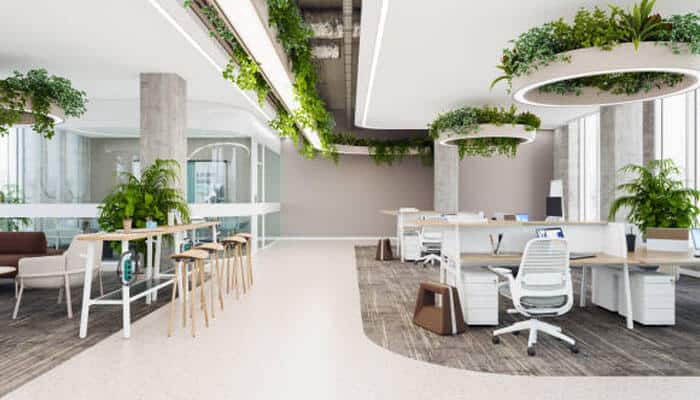
Introducing biophilic principles to office design means bringing nature into the workplace, which has been shown to improve both physical and mental well-being. Common strategies include adding living plant walls, abundant daylight, green outdoor vistas, and natural materials such as wood or stone. These features do more than beautify a space; studies indicate they help reduce stress, lower absenteeism, and increase creativity and job satisfaction. Designers might include indoor gardens, water features, and high-air-quality systems, all aimed at fostering a soothing, health-promoting atmosphere. With wellness now a top priority among employers and employees alike, biophilic office design is becoming an essential element of commercial build-outs.
Technological Integration
Enabling both in-person and remote collaboration, technology now sits at the heart of office design. Modern commercial build-outs routinely feature robust Wi-Fi infrastructure, seamless audiovisual conferencing setups, adaptive lighting, and intelligent climate controls. These technologies make spaces “AI-ready” and suitable for hybrid models that blend virtual and physical communication. Smart office technologies, such as automated access systems and IoT-enabled equipment, enable businesses to streamline operations and optimize space utilization. Up-to-date digital solutions not only enhance user experience but also boost security, data access, and operational resilience.
Sustainability Practices
Sustainability is no longer a niche priority but a mainstream standard across new office projects. Companies are selecting energy-efficient HVAC systems, committing to LED and sensor-driven lighting, and utilizing recycled or upcycled materials in finishes and furnishings. Paints and adhesives with low volatile organic compound (VOC) emissions are commonly specified to protect both employees and the environment. Many firms pursue third-party green building certifications (such as LEED) to demonstrate their environmental stewardship and corporate social responsibility. While upfront investments in sustainable features may be higher, they can result in cost savings over time through lower energy bills and improved occupant health.
Rising Fit-Out Costs
The cost of building or renovating office spaces has climbed steadily in recent years. In North America, the average price for a medium-quality office build-out has reached around $295 per square foot, with fluctuations driven by rising material costs, labor shortages, and increased demand for advanced technology integration. This highlights the importance of precise project planning, transparent budgeting, and value-driven selection of materials and partners. To counteract rising costs, companies are increasingly working with experienced design-build teams who can optimize schedules, minimize waste, and prioritize must-have features over nonessential upgrades.
Emphasis on Employee Experience
Forward-thinking office design is about more than aesthetics. It is about providing spaces where employees can thrive. Amenities such as wellness rooms, fitness areas, ergonomic seating, quiet focus zones, and inviting lounges build a sense of community and belonging. Employee-centric offices help companies attract and retain top talent in competitive markets. At the same time, communication tools and privacy elements are incorporated to accommodate different work styles and tasks. By focusing on employees’ needs and preferences, businesses ensure their office environment remains productive and appealing.
Conclusion
The trends shaping modern commercial office build-outs reflect a commitment to flexibility, wellness, technological advancement, sustainability, and cost management. By keeping these priorities top of mind, employers and project stakeholders can deliver workspaces that support operational success while creating meaningful employee experiences. Thoughtfully designed offices now prioritize adaptable layouts, collaborative environments, energy-efficient solutions, and technology-driven features that help businesses remain competitive in a rapidly changing workplace landscape. As employee expectations continue to evolve, companies that invest in innovative and people-focused designs can improve productivity, attract top talent, and strengthen workplace culture. By balancing functionality, aesthetics, and long-term value, modern office build-outs create environments that are prepared to meet today’s demands while remaining flexible enough to support future growth and changing business needs.
