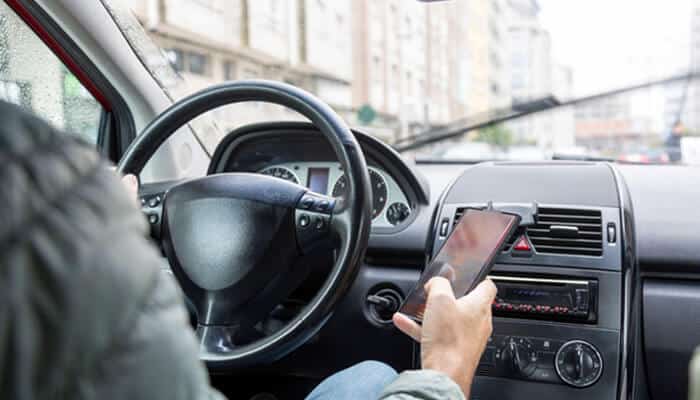
Distracted driving accidents are particularly tricky because what happened in the seconds leading up to the crash can be disputed. Even small details, like whether a driver glanced at a phone or swerved to avoid an obstacle, matter when it comes to driving accident claims.
Gathering statements from those who actually saw the incident can clarify timelines and behavior, often strengthening your side of the story. They indeed play a significant role in the claim process.
How Eyewitness Accounts Strengthen Your Driving Accident Claims
Confirming the Sequence of Events
Witnesses are often the only people who can verify the sequence of events. They may notice exactly when a driver became distracted, when a vehicle changed lanes abruptly, or when the collision actually occurred.
Their perspective can fill in gaps that dashcam footage, photos, or police reports might miss. Having multiple accounts can create a consistent timeline that shows what really happened and supports your version of the events.
Supporting Your Statement Against the Other Driver
In distracted driving accidents, the other driver’s account may not always be reliable. Witnesses provide an independent perspective that can confirm or refute statements. For example, someone who saw the driver texting or looking down at a phone before the crash can offer testimony that strengthens a claim.
This evidence is particularly important if fault is disputed and insurance companies are reluctant to accept responsibility.
Clarifying Liability in Driving Accident Claims
Liability can be complicated in distracted driving claims. Sometimes multiple parties are involved, and each may offer a different story. Eyewitnesses can provide clarity by describing which vehicle acted negligently or whether road conditions played a role.
Their statements can point out overlooked details, like sudden braking or improper signaling, which are essential to establishing fault accurately.
Types of Eyewitnesses to Look For
Not all witnesses are equal, but many can provide valuable input.
- Passengers in your vehicle or the other vehicle – They are often closest to the incident and may notice subtle movements or distractions.
- Bystanders nearby at the time of the accident – Pedestrians or people walking their dogs can offer neutral accounts of the scene.
- Other drivers who witnessed the crash – Someone driving behind or beside the vehicles can confirm how the accident unfolded.
- Residents or business employees – People near intersections or parking lots may have seen the moments leading up to the collision.
Even if a witness seems uncertain, noting their observations immediately can be critical later. Small details like the direction a vehicle came from or the time of day can add credibility to your claim. In Albany, if you want a consultation, you can choose William Mattar Law Offices for distracted driving accident cases, as they can help you understand how to handle these situations and present witness statements effectively.
How to Collect Reliable Witness Statements for Driving Accident Claims

Approach Witnesses Quickly
Contact witnesses as soon as possible after the accident. Memories fade fast, so prompt communication helps capture accurate details. Acting quickly also shows the importance of their account and encourages them to take it seriously.
Gather Basic Information
Ask for their full name, phone number, and email. This ensures you can reach them later if clarification is needed. Having accurate contact info also prevents delays if the statement needs to be verified during the claims process.
Ask Open-Ended Questions
Encourage witnesses to describe what they saw and heard without leading them. Questions like “What did you notice before the crash?” work best. Open-ended questions allow them to share observations you might not have considered, adding depth to the statement.
Record the Statement
With permission, either write down their account or record it. This preserves the statement exactly as given. A recorded or written statement also reduces misunderstandings and ensures nothing is misremembered later.
Capture Supporting Evidence
Photos or videos of the scene, vehicles, or surroundings complement witness statements and make the claim stronger. Visual evidence often strengthens verbal accounts and provides concrete proof for the insurance process.
Keep It Organized
Store all statements and evidence systematically. A clear record helps support the claim in a factual, credible way. Proper organization also saves time and stress when multiple witnesses or documents are involved.
Legal Impact of Witness Statements
Insurance companies often weigh witness statements heavily. An independent account can make your claim more credible and difficult to dispute. In some cases, witnesses can clarify which driver was distracted, how traffic signs or signals were involved, or even whether environmental factors like weather contributed.
Courts and settlement negotiations also take these accounts seriously, as they provide context beyond official reports. Many people choose law firms that help organize and present witness statements in a way that aligns with other evidence, ensuring the information is accurate and useful.
Challenges with Witness Statements
Eyewitness accounts are not always straightforward. Memory can be imperfect, and different perspectives may conflict. Some witnesses may feel hesitant to speak up, especially if they fear getting involved in legal matters. However, even partial or seemingly minor observations can support larger pieces of evidence. Consistently documenting what each witness saw and cross-checking details improves the overall reliability of these accounts.
Organizing and Using Statements Effectively
Statements are most effective when they are clear and structured. Include names, contact details, date and time of the observation, and specific descriptions of actions seen. Organizing witness accounts chronologically helps create a timeline that aligns with other documentation, such as accident reports or medical records.
Final Thoughts on Eyewitnesses and Their Role in Driving Accident Claims
Eyewitnesses might not seem like the star of the show, but they can make a big difference in a distracted driving accident claim. They see things that cameras or official reports might miss. Taking the time to gather, note, and organize what they saw can turn a confusing situation into a clear picture. Even little details can end up being really important.
Paying attention to what witnesses share isn’t about pointing fingers right away. It’s about getting the story straight, understanding how things unfolded, and ensuring everyone’s perspective is properly considered.