


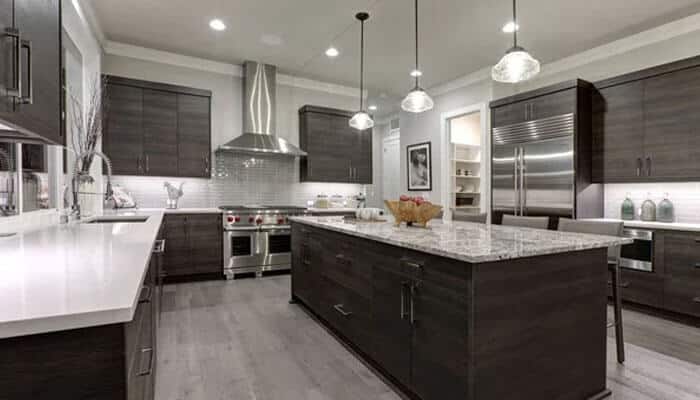

A kitchen renovation is often described as a design project, but for many homeowners, a kitchen upgrade is also a long-term investment. The decisions made during a renovation can influence how a home functions every day, how much maintenance it requires, and even how appealing it becomes to future buyers. From improving efficiency and storage to enhancing overall home value, a well-planned kitchen upgrade can create lasting benefits beyond appearance.
This is why choosing kitchen features should involve more than simply following the latest design trend.
Cabinet colours may change. Flooring styles may come and go. Technology will continue to evolve. Yet certain elements of a kitchen are expected to withstand years of daily use, which makes durability and practicality just as important as appearance.
The sink is one of those features.
Used repeatedly throughout the day, it has to cope with everything from washing vegetables and filling large pots to cleaning dishes and handling the general demands of family life. Despite this, sinks are sometimes treated as an afterthought during renovation planning.
That can be a mistake.
A well-chosen sink can become both a practical workhorse and a defining feature of the kitchen. Among the options available today, copper has attracted attention for its distinctive appearance, durability, and ability to develop character over time.
For homeowners considering a renovation, understanding why materials matter can lead to better decisions and a kitchen that continues to perform well long after the initial excitement of the remodel has passed.
The Kitchen Is More Than a Room
The modern kitchen has evolved considerably.
It is no longer used solely for preparing meals. In many homes, it functions as a dining area, homework station, social space, home office, and gathering point for friends and family.
This change has made functionality increasingly important.
A kitchen needs to work for the people who use it every day. That means considering the size of the cooking area, the available storage, the layout of appliances, and the durability of frequently used surfaces.
It also means thinking carefully about the sink.
A sink that is too small can make washing large cookware frustrating. Poor placement can create unnecessary movement between the sink, refrigerator, and cooking area. A design that looks attractive but is difficult to maintain may eventually become a source of irritation.
The best renovation decisions balance aesthetics with real-world usability.
Why Material Choice Deserves More Attention
When homeowners choose a sink, they often focus first on colour, shape, and price. These factors certainly matter, but the material itself can have a significant influence on the experience of using the sink over many years.
Different materials respond differently to everyday wear.
Some show scratches easily. Others can be vulnerable to chips or stains. Some remain visually consistent, while others change naturally with age.
Copper falls into an interesting category because it is both functional and visually dynamic.
Rather than remaining exactly the same throughout its lifespan, copper can develop a patina that changes its appearance over time. For some homeowners, this evolving character is part of the material’s appeal.
Instead of looking worn as it ages, a well-maintained copper sink can develop a distinctive appearance that reflects the history of the home.
That makes it particularly interesting for homeowners who prefer materials with personality rather than completely uniform finishes.
Copper Can Become a Design Feature
One of the strongest arguments for choosing copper is its visual impact.
The warm tones of copper can introduce depth and character into a kitchen, particularly when paired with materials such as natural wood, stone, marble, or neutral cabinetry.
Unlike a sink that simply blends into the countertop, copper can become a focal point.
This is especially effective in kitchens that combine traditional and contemporary design elements. A farmhouse-style copper sink can complement rustic interiors, while a cleaner design can work within a more modern space.
The material also responds differently to lighting throughout the day. Natural daylight can highlight its warmth, while evening lighting can create a deeper and more intimate atmosphere.
For homeowners investing in a renovation, this creates an opportunity to choose a functional feature that also contributes significantly to the overall personality of the room.
The Practical Benefits of a Hard-Working Sink
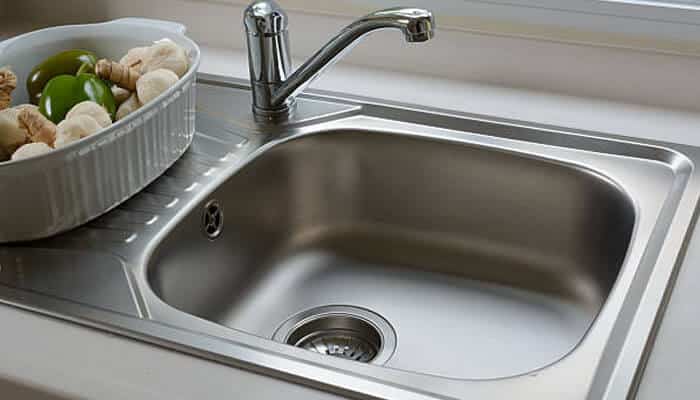
A kitchen sink needs to be able to cope with daily use.
Large families may use it continuously throughout the day. People who enjoy cooking may need enough space to handle oversized pots, baking trays, and multiple ingredients at once.
This is where choosing the right configuration becomes important.
A generous single-bowl design can be useful for washing larger cookware, while a double-bowl configuration may suit homeowners who prefer to separate different tasks.
The installation style also affects the overall look and function of the kitchen.
Undermount sinks can create a clean transition between the countertop and basin, while drop-in models can offer a straightforward installation approach. Farmhouse or apron-front designs, meanwhile, can create a strong visual statement.
The right choice depends on the kitchen layout, countertop material, cooking habits, and personal preferences.
There is no universal solution.
Why Copper Works Across Different Interior Styles
One of the reasons copper continues to attract attention is its versatility.
It can feel traditional without looking outdated and distinctive without overwhelming the rest of the room.
In a country-style kitchen, copper can reinforce a warm, rustic aesthetic. Combined with reclaimed timber and natural stone, it can create an inviting space with a strong sense of character.
In a contemporary kitchen, the same material can provide contrast.
Imagine a minimalist room with dark cabinetry, simple hardware, and clean surfaces. A copper sink can introduce warmth and texture, preventing the space from feeling overly cold or clinical.
This versatility means homeowners don’t necessarily need to choose between practicality and personality.
The sink can contribute to both.
A Material That Changes With Time
One of the most interesting characteristics of copper is its ability to evolve.
Many kitchen surfaces are designed to remain visually identical from the day they are installed. Copper is different. Its appearance can gradually change as it interacts with its surroundings and everyday use.
This natural patina is part of what makes each copper sink individual.
Two sinks made from the same material may develop slightly different appearances depending on how they are used and maintained.
For homeowners who appreciate craftsmanship and natural materials, this can be appealing. The sink becomes less like a mass-produced object and more like a living part of the kitchen.
The changing finish can also complement the broader idea of creating a home that feels lived in rather than overly staged.
Durability Should Be Part of the Renovation Conversation
A renovation can be expensive, so homeowners naturally want their investment to last.
This is why durability should be considered alongside appearance.
A kitchen may look beautiful immediately after installation, but its true value becomes apparent years later. Surfaces that withstand daily use, furniture that remains functional, and fixtures that continue to perform reliably can make a significant difference to the long-term satisfaction of the homeowner.
When evaluating copper kitchen sinks, it is worth considering factors such as construction quality, material thickness, installation requirements, and maintenance guidance rather than focusing only on the appearance of the finished product.
A high-quality sink should be viewed as a long-term component of the kitchen rather than a temporary decorative choice.
Maintenance Is Part of the Ownership Experience
Every material requires some level of care.
The mistake homeowners sometimes make is choosing a product based entirely on how it looks on installation day without considering what it will require over the following years.
Copper is no different.
Homeowners should understand the manufacturer’s recommendations for cleaning and maintenance and use products that are appropriate for the specific finish.
The benefit of taking this approach is that maintenance becomes part of a predictable routine rather than an unexpected problem.
It’s also important to remember that copper’s evolving appearance is not necessarily a sign that something has gone wrong. For many homeowners, the gradual development of patina is one of the qualities that makes the material attractive in the first place.
The key is understanding what to expect before making the purchase.
Consider the Kitchen as a Complete System
A common mistake in renovation planning is choosing individual features separately.
A homeowner might select cabinets they love, then a countertop, then a sink, without considering how all three elements will work together.
A better approach is to think of the kitchen as a complete system.
How will the sink interact with the countertop?
Does the size suit the cabinet underneath?
Will the colour complement the backsplash?
Does the layout make food preparation easier?
Will the chosen style still look appropriate if the homeowner changes the wall colour in five years?
These questions can help prevent expensive decisions that look good individually but don’t work together as a whole.
Copper is particularly effective when considered as part of the wider design rather than treated as an isolated feature.
Its warm colour can be repeated through smaller details such as cabinet handles, lighting fixtures, or decorative accents, creating visual consistency throughout the room.
Think About Long-Term Value, Not Just Immediate Trends
Home renovation trends can be tempting.
Social media platforms constantly introduce new colours, materials, and layouts, making it easy to feel that a kitchen needs to be updated every few years.
But the most successful renovations tend to balance current preferences with timeless design principles.
Good proportions.
Quality materials.
Practical layouts.
Reliable fixtures.
These features are less likely to become irrelevant when trends change.
A distinctive material such as copper can work particularly well in this context because its appeal doesn’t depend entirely on a particular colour trend. Its warmth, texture, and natural character can continue to complement changing surroundings.
This makes it possible to update other parts of the kitchen over time without necessarily replacing every major fixture.
Renovation Decisions Can Influence the Future
Homeowners don’t always renovate with the intention of selling, but it’s still worth thinking about future appeal.
A well-designed kitchen can contribute to the overall desirability of a property.
However, this doesn’t mean every renovation should be based on what a hypothetical buyer might want.
The best approach is usually to create a space that works for the current homeowner while avoiding choices that are so highly personalised that they become difficult to live with or replace later.
A quality sink, durable countertops, thoughtful storage, and an efficient layout are practical improvements that can appeal to a wide range of people.
At the same time, homeowners can still express their personality through colour, accessories, artwork, and other elements that are easier to change.
The Smartest Renovations Combine Beauty and Function
A successful kitchen renovation isn’t necessarily the one with the most expensive materials or the most dramatic design.
It is the one that continues to make sense after the novelty has disappeared.
A kitchen should be easy to use when preparing a quick weekday meal and equally comfortable when hosting a group of friends. It should offer enough storage, provide practical work surfaces, and contain fixtures capable of handling everyday demands.
This is why the details matter.
The right sink can improve workflow.
The right lighting can make food preparation easier.
The right storage can reduce clutter.
The right materials can reduce the need for frequent replacement.
When these decisions work together, the result is a kitchen that feels effortless to use.
Final Thoughts
Home improvement is ultimately about making better decisions for the future.
While trends can provide inspiration, lasting value usually comes from choosing materials and features based on how they will perform in real life.
A kitchen sink may not seem like the most exciting part of a renovation, but it is one of the features that homeowners interact with most frequently. Choosing one that combines durability, practicality, and distinctive design can therefore have a greater impact than its relatively small footprint might suggest.
Copper offers an interesting balance.
It can serve as a highly functional part of a working kitchen while also becoming a defining visual feature. Its warm appearance, natural evolution, and compatibility with a range of interior styles make it an option worth considering for homeowners who want something more distinctive than a standard fixture.
The smartest renovation decisions aren’t always the ones that attract the most attention on the day the project is completed.
They are the ones that still feel like the right choice years later.
And when a kitchen is designed around the way people actually live, the result is more than a beautiful room. It becomes an investment in everyday comfort, functionality, and the long-term character of the home.
