


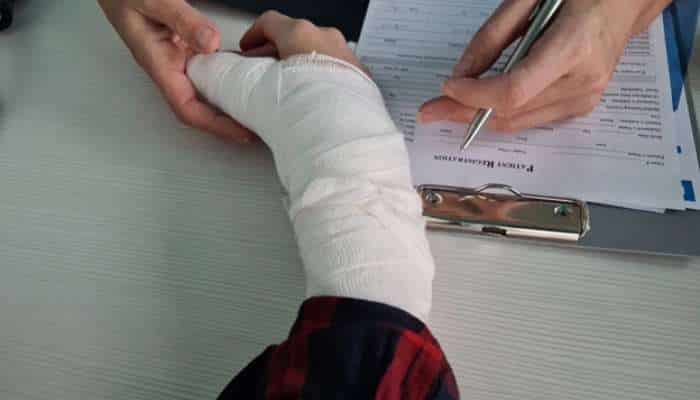

After a serious injury, the legal process can feel like a foreign country—unfamiliar rules, unfamiliar language, and a lot riding on decisions you’ve never had to make before. Whether the harm came from a car crash, a fall, a defective product, or someone else’s carelessness, personal injury claims provide a legal path for injured individuals to seek compensation for their losses. The journey from injury to resolution follows a recognizable pattern. Understanding that pattern in advance takes away much of the anxiety and helps you avoid the missteps that quietly weaken otherwise strong claims.
This article walks through the stages of a Florida personal injury claim in plain language. It is general information rather than legal advice, but it should give Boca Raton residents a clear map of what to expect.
Step one: medical care and documentation
Everything begins with your health, and not only for the obvious reason. Prompt medical treatment protects you physically, but it also creates the foundation of any future claim. The records from your first visit connect your injuries directly to the incident, and consistent follow-up care builds the timeline that proves how serious those injuries are.
Gaps in treatment are one of the first things an insurer looks for. A delay between the injury and your first appointment, or a stretch where you skipped recommended care, gives the other side an opening to argue you weren’t really hurt. Following your treatment plan isn’t just good for recovery it’s good for your claim.
Step two: preserving evidence
Personal injury cases are built on proof, and proof is perishable. Photographs of the scene, contact information for witnesses, incident or police reports, and physical evidence all carry enormous weight, yet much of it disappears within days. Skid marks fade, spills get cleaned, broken equipment gets repaired, and surveillance footage gets overwritten.
The sooner this evidence is gathered and protected, the stronger the eventual claim. This is the stage where having knowledgeable help pays off most, and many injured people consult personal injury attorneys in boca raton precisely because preservation letters and prompt investigation can secure records that would otherwise be lost before a claim is even filed.
Step three: understanding fault under Florida law
Before a claim moves forward, the question of fault has to be addressed, and in Florida it’s rarely a simple yes or no. The state follows a modified comparative negligence rule: your compensation is reduced by your percentage of responsibility for the incident, and if you are found more than 50 percent at fault, you may recover nothing at all.
This rule shapes the entire negotiation. Insurers work hard to assign as much blame as possible to the injured person, because every percentage point of fault they can shift reduces what they have to pay. Establishing a clear, well-documented account of what happened and who was responsible is therefore central to protecting the value of a claim.
Step four: the insurance claim and the demand
Most personal injury cases begin not in a courtroom but with an insurance claim. Once your injuries have stabilized enough to understand their full scope, a demand is typically presented to the at-fault party’s insurer, laying out the facts, the liability, and the damages being sought.
What follows is negotiation. The insurer’s first response is almost always an offer well below the claim’s real value, because adjusters are trained to resolve cases quickly and cheaply. Treating that opening number as a fair measure of your losses is a costly mistake. A strong demand, backed by thorough documentation and a clear picture of long-term costs, is what gives an injured person the leverage to negotiate toward a fair figure.
Step five: filing a lawsuit, if necessary

Many claims settle without ever going to court, but not all of them. When an insurer refuses to offer a reasonable amount, or disputes liability outright, filing a lawsuit may become necessary. This step also protects your rights against Florida’s strict deadlines, which have been shortened in recent years for many negligence cases; allowing that window to close can bar a claim permanently, regardless of its merits.
Filing a lawsuit does not mean a trial is inevitable. In fact, the majority of cases that enter litigation still resolve through settlement, often during the discovery process as both sides exchange evidence and the strength of the claim becomes clearer. But the willingness and ability to go to court is frequently what moves an insurer from a lowball offer to a serious one.
Step six: discovery, negotiation, and resolution
If a case proceeds, the discovery phase allows both sides to gather information through document requests, written questions, and depositions. This is often where claims are truly valued, as the evidence supporting injuries, fault, and damages comes fully into view. Settlement discussions frequently intensify during or after discovery, and many cases conclude here without a trial.
When a case cannot be resolved by agreement, it goes before a judge or jury. Trials are less common than people assume, but they remain the backstop that gives the entire process its weight.
It’s worth pausing on how long all of this can take. A straightforward claim with clear liability and a quick recovery might resolve in a matter of months, while a serious case involving disputed fault, severe injuries, or litigation can take a year or more. Patience often pays. One of the most common reasons people accept too little is simply that they grew tired of waiting, and insurers are well aware that time pressure works in their favor. Knowing in advance that the process has a natural rhythm and that the longest cases are frequently the most valuable ones helps injured people resist the urge to settle early just to be done with it.
A note on working with the other side
Throughout the process you will deal with insurance adjusters, and it helps to understand their role. An adjuster is courteous and professional, but their job is to resolve your claim for as little as the company can reasonably pay. Anything you say can be recorded and used to reduce your recovery, which is why injured people are routinely advised to be cautious with recorded statements and to avoid speculating about fault or downplaying their pain. Politeness costs nothing; oversharing can cost a great deal.
What compensation can include
Throughout this process, the goal is fair compensation for everything the injury has cost. In Florida that generally falls into two categories: economic damages, such as medical bills, lost wages, and reduced earning capacity, and non-economic damages, such as pain, suffering, and diminished quality of life. Serious or permanent injuries can dramatically change a claim’s value, which is why understanding the full, long-term impact rather than just the immediate bills is so important before accepting any resolution.
The bottom line
A personal injury claim in Florida moves through predictable stages: medical care, evidence preservation, the question of fault, an insurance demand, possible litigation, discovery, and resolution. At every step, the same principles apply act promptly, document thoroughly, respect the deadlines, and don’t let an insurer define the value of your losses before you understand them yourself. The process can feel intimidating, but knowing the map ahead of time turns an overwhelming experience into a series of manageable steps, and puts injured Boca Raton residents in the strongest position to recover and move forward.
