



Cleaning Your Entire Home Humidifier
Alberta winters are dry. Really dry. That humidifier attached to the furnace runs for months straight. The problem is tap water leaves behind white mineral dust inside the humidifier. That dust hardens like concrete. A small pad inside called a water panel gets crusted over.
Change of Furnace Filter
You should change the furnace filter. Harder work means higher gas bills. It also means more wear and tear on the blower motor. The motor burns out faster. Changing that filter in late spring, right after winter ends, gives the furnace a fresh start before summer and before next winter.
Condensate Line Check
High-efficiency furnaces and boilers produce water. That water drains through a small plastic line. Over a long Alberta winter, that line collects gunk, mold, and algae. One day, the line plugs completely. The furnace shuts off. No heat. No warning. A simple check of that little tube saves a freezing cold panic in November.
Flame Sensor Cleaning
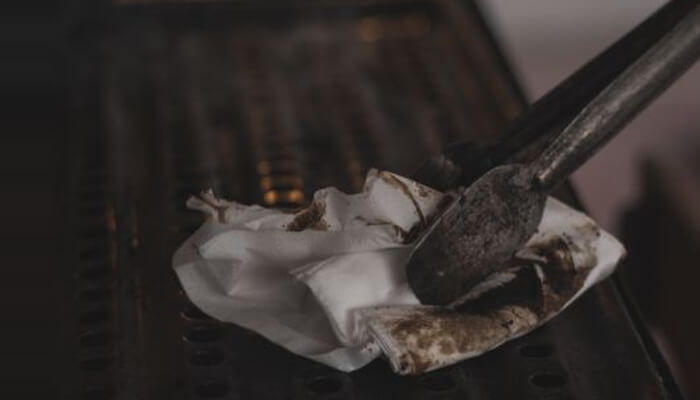
The furnace lights up. Then two seconds later, everything shuts off. That cycle repeats over and over. Most people call for emergency service. After a season of burning gas, the rod gets coated with black carbon. A piece of fine sandpaper rubbed across the rod cleans it in ten seconds. Putting it back in place takes another minute. The furnace works perfectly again.
Sump Pump Testing
Many homeowners assume no noise means no problem. The sump pit sits dry all winter because frozen ground doesn’t release water. Nobody checks it. Then spring arrives. The ground thaws. Meltwater rushes toward the foundation. By then, calling someone like Hydro-Flo HVAC & Plumbing is an emergency instead of a routine check.
Water Heater’s Flushing
An Alberta winter demands hot water. More showers to warm up. More laundry. More dishwashing. The water heater ran more cycles than any other season. Sediment built up faster. The anode rod corroded quicker. By spring, that tank is tired. A leak there soaks into floors and subfloors before a single drop appears upstairs.
Air Conditioner Preparation
Common advice says check the AC before summer heat hits. That makes logical sense. But the overlooked step happens earlier. After winter, debris sits inside the outdoor unit. Leaves blown in during autumn. Dust settled on coils. Maybe even a mouse nest from February. Firing up the AC without cleaning it first pushes that debris deeper.
Heat Recovery Ventilator Cleaning
An HRV brings fresh air from outside into the house without losing all the heat. Inside the HRV is a core made of many thin layers of plastic or paper. Over a whole winter, that core collects dust, dead bugs, and grey fuzz. The filters inside get clogged too. A dirty HRV does not work right.
Outdoor Faucet Inspection
Sometimes a hose stays attached all winter. Water inside that hose freezes. Ice expands. Something cracks. Sometimes the faucet itself cracks. Worse, sometimes the pipe inside the wall cracks. Nobody knows until spring. That faucet gets turned on for the first time. Water sprays everywhere.
Exhaust Pipe Clearance Check
High-efficiency furnaces and tankless water heaters have two plastic pipes that go through the wall to the outside. One brings air in. One pushes exhaust out. Alberta snow drifts can bury those pipes completely. Snow piles up against the house.
Benefits Home Maintenance
- Lower Heating Bills
- No Emergency Calls
- Longer Appliance Life
- No Basement Floods
- Real Peace of Mind
Conclusion
Spring in Alberta is not just about melting snow and longer days. Think about what kept an Alberta home livable through minus-thirty. The furnace ran constantly. Perfect entry point for warm, moist spring air to meet cold pipes. Condensation forms. Doing this simple cleaning every spring prevents that frustrating midwinter shutdown.
