




A commercial property can look great on paper.
It may sit in a strong Sydney location. The building may be in good condition. The rent may be coming in each month.
Yet when the property is valued, the result can still come as a surprise.
One reason is easy to overlook: the lease.
For an investment property, a valuer is not only looking at the walls, floor space, and address. The income linked to the property matters too. That means the details sitting inside a lease can influence how the property is viewed.
Sometimes, one small clause can have more impact than an owner expects.
Why the Lease Matters So Much
When a commercial property has a tenant, the lease helps explain what income the property may provide and how secure that income appears.
It can answer important questions.
How much rent is being paid? How long will the tenant stay? When can the rent change? Who pays certain property costs? What happens when the lease ends?
Two similar properties may therefore have very different circumstances.
Imagine two shops next door to each other. They are the same size and in similar condition.
One has a tenant locked into a longer lease at an agreed rent. The other has a lease ending soon, with no clear picture of what will happen next.
The buildings may look almost identical, but their income position is not.
That difference can matter when the properties are assessed.
Rent Reviews Can Change the Picture
The current rent is only part of the story.
A commercial lease may include rules about how and when rent changes. This is often called a rent review.
Depending on the lease, rent may change in different ways over time. What matters is that a valuer can look beyond today’s rent and consider what the lease says about future income.
This can catch owners out.
A property owner may focus on the amount currently arriving in their bank account. But the lease may contain a future rent review that changes the picture.
It is worth checking:
- when the next rent review takes place
- how the review is calculated
- whether any special conditions apply
- what rent is currently being paid compared with similar premises
The lease needs to be read as a whole rather than judged from one monthly rental figure.
The Time Left on the Lease Matters Too
Lease length is another detail owners sometimes overlook.
A tenant may have been in the property for years, but that does not always mean they have years left on the current agreement.
There is a big difference between a tenant with several years remaining and one whose lease is close to expiry.
Options also matter.
A lease may give the tenant a chance to stay for another term, but an option is not always the same as having that full period already locked in.
For an owner planning to sell, refinance or review their property position, it can be useful to know exactly where the lease stands rather than simply thinking of the tenant as long-term.
Who Pays the Property Costs?
Commercial properties come with ongoing costs.
Depending on the lease, some costs may be paid by the owner, while others may be passed on to the tenant.
These are often called outgoings.
Owners can sometimes focus heavily on the rent without looking at what they must pay from that rent.
For example, two properties may collect the same annual rent, but the owner’s actual position could differ if one lease leaves the owner responsible for more expenses.
This is why the headline rental figure does not always tell the full story.
A clearer view comes from looking at both the income and the responsibilities written into the lease.
Other Clauses Can Create Unexpected Questions
Not every important lease condition is about rent.
A commercial lease can contain other terms that affect how flexible, secure or useful the tenancy arrangement is.
These may include clauses dealing with:
- lease renewal options
- assignment or transfer of the lease
- subleasing
- repairs and maintenance
- changes to the premises
- what the tenant must do when leaving
Not every clause will change a property’s value. The effect also depends on the property, tenant, location and wider market.
But unusual or restrictive terms are worth understanding before a valuation takes place.
If you are trying to make sense of how the lease fits into the bigger picture, learning more about the wider commercial valuation guide can help explain how different property details are considered together.
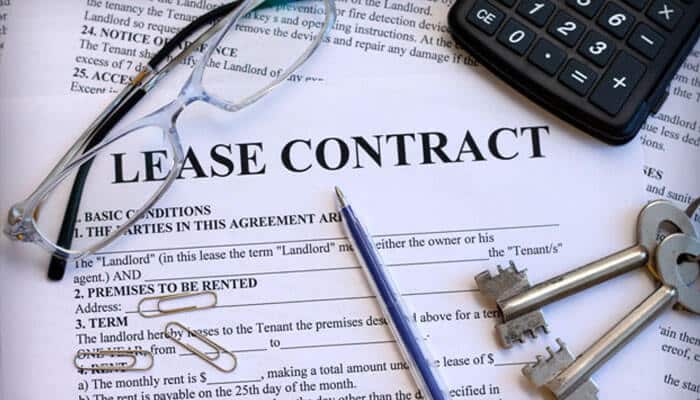
Do Not Assume a Higher Rent Always Means a Higher Value
This is another common trap.
A high rent can sound like good news. But the number needs context.
If the rent is far above what similar properties are achieving, questions may arise about whether that income can continue over time.
On the other hand, a property may have rent below current market levels because the lease was agreed several years ago.
Neither situation can be understood from the rent figure alone.
The lease terms, tenant situation and current market all need to be considered together.
Check the Lease Before You Need the Valuation
You do not need to become a lease expert.
But commercial property owners can save themselves confusion by knowing the basics before a valuation is needed.
Start by finding the current signed lease and any later changes or agreements.
Then check the key details:
- current rent
- next rent review
- lease expiry date
- options to renew
- who pays the main property costs
- any unusual conditions that affect the tenancy
It can also help to keep records of changes made since the lease began.
That gives you a clearer picture of the property before someone else starts assessing it.
Know What You Actually Own
A commercial property is more than a building.
When it is leased, the agreement attached to that building becomes part of the story.
The tenant, rent, time left on the lease, and responsibilities of each party can all shape how the property is viewed.
That is why a valuation result should not be compared with another property based on size or location alone.
The better question is not simply, “What is the building worth?”
It is, “What does this property, with this lease and these conditions, look like in today’s market?”
Knowing what is written in the lease is a good place to start.
