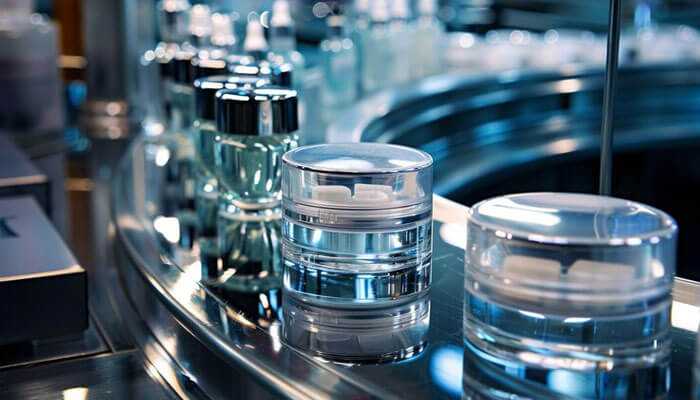
In a world that is becoming increasingly aware of the impact of human activities on the environment, the search for sustainable solutions in all sectors of business is crucial. One of the areas where innovation and sustainability go hand in hand is the packaging industry. Businesses and consumers are increasingly turning to environmentally friendly packaging options, with an emphasis on reducing waste and improving the recyclability of materials. In this article, we explore the future of packaging, with a focus on the role of glass as a sustainable alternative.
Glass has been a favorite material for packaging for centuries, thanks to its purity, durability, and ability to keep products fresh. But glass is more than just a traditional choice; it is also a future-oriented solution. Glass is 100% recyclable and can be reused infinitely without loss of quality. This makes it an excellent choice for companies looking to reduce their carbon footprint.
In the modern packaging industry, glass is being reinvented and adapted to today’s needs. Innovative designs and technologies make glass packaging not only more attractive but also more functional. An example of this is the development of specialized glass bottles for the storage of oils, such as ‘oil glass‘ bottles. These are designed to maintain the quality and shelf life of oils by protecting them from light and air.
In addition, there has been an increase in the use of glass water bottles, which provide a reusable and stylish alternative to single-use plastic bottles. To learn more about the different types of glass bottles available, take a look at Miron Glass.
Technological advances in glass manufacturing have made it possible to produce lighter and stronger glass packaging. This not only reduces transport costs and associated CO2 emissions but also makes glass a more competitive option compared to other packaging materials. Furthermore, the integration of smart technologies, such as QR codes and RFID chips, makes it possible to use glass packaging as part of a larger digital strategy for brands.
Despite the many benefits of glass, some challenges must be overcome. One of the biggest challenges is the perception that glass is heavy and fragile. However, innovation in packaging design and materials science is changing this perception. In addition, the infrastructure for glass recycling is not yet optimal in some regions, which can limit the effectiveness of glass as a sustainable material.
Yet glass offers enormous opportunities for companies that want to distinguish themselves from a sustainable brand image. By investing in glass packaging, companies can not only reduce their environmental impact but also give their products a premium look.
Slow internet can make everyday tasks frustrating. Videos buffer, websites load slowly, online meetings freeze, games lag, and downloads take…
Knowing how to remove red wine from clothes can save your favorite shirt, dress, table linen, or jeans from a…
What is a lavender marriage? A lavender marriage is usually understood as a marriage of convenience where one or both…
If you have ever wanted to send a birthday wish at midnight, remind someone about a meeting, or avoid texting…
If you no longer use Cash App and want to know how to delete Cash App account safely, you may…
Slow cookers are convenient, but not every recipe turns out perfect. Sometimes the meat is dry, the sauce is watery,…