




The Promise rings have long occupied a delicate space between sentiment and ceremony. Its origins can be traced to ancient betrothal traditions in Rome, where rings symbolized contractual intention rather than romantic devotion alone. During the Middle Ages, posy rings engraved with short poetic inscriptions became tokens of affection exchanged between lovers. By the 16th and 17th centuries, acrostic rings spelled out secret messages in gemstones, offering coded declarations of loyalty. These early examples underscore that the Promise rings were never simply an accessory. They were a statement of intention, worn quietly yet understood deeply.
In the Victorian era, promise rings took on heightened emotional resonance. Jewelry design during that period leaned heavily on symbolism, incorporating hearts, clasped hands, and intertwined initials. Such motifs expressed fidelity in a society where courtship rituals were carefully structured. The ring became both a private pledge and a public marker of attachment. As industrialization democratized jewelry production, these tokens became accessible beyond the aristocracy. The promise ring thus evolved from elite symbol to widespread cultural artifact.
By the late 20th century, the promise ring shifted from a pre-engagement placeholder to a broader expression of commitment. Young couples used it to signify exclusivity without necessarily implying imminent marriage. In other contexts, it came to represent personal vows, including abstinence or self devotion. Its meaning expanded alongside cultural changes in dating and marriage patterns. As marriage age rose and relationship norms diversified, the promise ring found new relevance. It adapted to the language of modern romance without losing its symbolic core.
Shifting Meanings in a Changing Society
The 21st century has seen the promise ring redefined in response to evolving social expectations. Marriage is no longer viewed as the singular destination of every serious relationship. Couples often prioritize shared experiences, career development, and personal growth before considering engagement. Within this context, the promise ring serves as a flexible emblem of devotion without imposing rigid timelines. It allows partners to articulate seriousness while preserving independence. The ring communicates stability in an era marked by fluid relationship models.
The expansion of gender equality has also influenced how promise rings are exchanged. Traditionally, men presented rings to women as preludes to engagement. Today, couples frequently exchange rings simultaneously, emphasizing reciprocity. This symmetrical gesture reflects broader cultural shifts toward partnership rather than hierarchy. It aligns with the modern expectation that commitments are mutual and negotiated. Jewelry design has responded accordingly, offering coordinated sets rather than single statement pieces.
Commercial platforms have further reshaped how promise rings are discovered and contextualized. Contemporary consumers often begin their search online, navigating curated collections that frame commitment in diverse ways. In this evolving landscape, Foreverings, a jewelry brand specializing in symbolic designs, presents promise rings alongside matching sets and unconventional bands that reflect personal narratives and evolving expressions of commitment. The promise ring is no longer a niche category but a canvas for individual storytelling.
Design Innovation and Materials
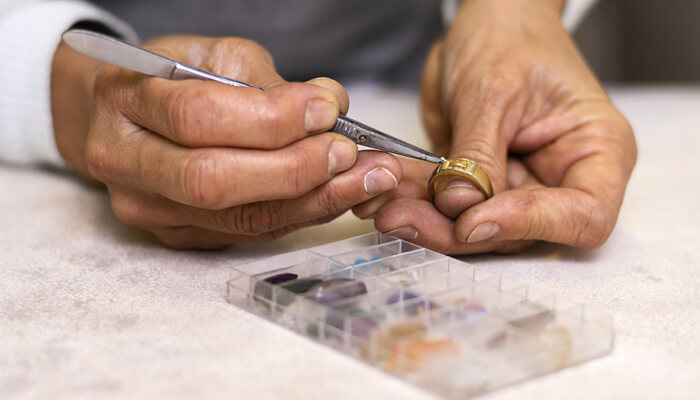
Contemporary jewelry design has dramatically expanded the aesthetic vocabulary of the promise ring. While classic gold bands remain popular, designers increasingly experiment with mixed metals, textured finishes, and unconventional silhouettes. Rose gold, once considered a novelty, has become a staple due to its warm and romantic hue. Matte finishes and hammered surfaces appeal to consumers seeking understated sophistication. The promise ring is now as much about design sensibility as it is about symbolism.
Gemstone choices have diversified as well. Diamonds, though timeless, are often replaced or complemented by sapphires, morganite, moonstone, and even black onyx. These stones allow couples to personalize their rings according to birthstones, shared memories, or aesthetic preference. Ethical sourcing has gained importance, with buyers asking detailed questions about origin and sustainability. Lab grown diamonds and recycled metals reflect a growing demand for transparency. The design of a promise ring today often mirrors broader ethical values.
Customization technology has also transformed the market. Computer aided design allows jewelers to produce intricate patterns and personalized engravings with precision. Consumers can request initials, meaningful dates, or symbolic motifs that reflect shared experiences. This level of personalization would have been cost prohibitive in earlier decades. Now it is increasingly expected. The modern promise ring is both a product of technological advancement and a testament to enduring sentiment.
The Rise of Matching Sets and Gender Neutrality
Matching promise ring sets have become a defining trend in contemporary design. Rather than purchasing a single ring for one partner, couples now gravitate toward coordinated pieces that visually complement each other. These sets may share similar metals, engraved motifs, or gemstone accents. The approach reinforces the idea that commitment is mutual and visible. It transforms the ring from a singular token into a shared emblem.
Gender neutral design has further broadened the category. Many modern promise rings avoid overtly gendered styling, favoring clean lines and adaptable sizing. Bands designed for men may incorporate subtle detailing without sacrificing durability. Women’s rings often emphasize structure and architectural elements rather than delicate ornamentation alone. This convergence reflects the evolving understanding of masculinity and femininity within romantic partnerships. Jewelry has become a medium for equality rather than differentiation.
The demand for inclusivity has also expanded representation within marketing campaigns. Same sex couples, intercultural partnerships, and non traditional relationships increasingly appear in promotional imagery. Such representation reinforces the promise ring’s adaptability across diverse contexts. It signals that commitment transcends specific demographics. By embracing inclusivity, contemporary design ensures that the promise ring remains culturally relevant. Its symbolism is strengthened when it resonates with a broad audience.
Social Media and the Power of Narrative
Social media platforms have profoundly influenced the way promise rings are perceived and shared. Instagram and TikTok have transformed intimate gestures into widely viewed milestones. Couples document proposals, ring exchanges, and anniversary celebrations in curated visual formats. The ring becomes part of a larger narrative constructed for public engagement. This digital visibility enhances its emotional weight.
The aesthetics favored on social media have shaped design preferences. Minimalist styles photograph well against neutral backdrops, while colored gemstones stand out in close up shots. Influencers often highlight ethical sourcing and customization options, amplifying awareness of these features. The promise ring must now perform visually in addition to symbolically. Designers understand that a ring’s photogenic quality can influence purchasing decisions.
Storytelling has become central to the marketing of promise rings. Consumers seek pieces that represent shared journeys, personal growth, or transformative moments. Brands craft narratives around craftsmanship, sustainability, and emotional authenticity. Buyers, in turn, reinterpret these narratives within their own relationships. The ring functions as both artifact and story anchor. In a digital age, its meaning is reinforced through repetition and public affirmation.
Economic Considerations and Consumer Behavior
The promise ring occupies a distinct price segment within the jewelry market. It is typically more affordable than an engagement ring, yet it often carries significant emotional investment. This balance makes it attractive to younger buyers and those not yet prepared for the financial commitment of a formal proposal. Economic uncertainty in recent years has reinforced demand for meaningful yet accessible luxury. Consumers increasingly prioritize symbolism over scale.
Flexible payment options and direct to consumer brands have democratized access to quality jewelry. Online retailers eliminate certain overhead costs, allowing competitive pricing without sacrificing craftsmanship. Transparent pricing structures appeal to buyers who research extensively before purchasing. Reviews and testimonials play a crucial role in building trust. The promise ring market thrives on credibility as much as design.
At the same time, consumers are discerning about long term value. They consider durability, resale potential, and adaptability to future milestones. Some promise rings are designed to stack alongside engagement or wedding bands. This forward thinking approach reflects practical sensibilities. Buyers want pieces that evolve with their relationships. Economic pragmatism coexists with romantic aspiration in contemporary purchasing decisions.
The Future of Promise Rings in Contemporary Design
Looking ahead, the promise ring is poised to remain a dynamic category within jewelry design. Technological innovation will likely continue to expand customization capabilities. Advances in sustainable materials may redefine expectations around sourcing and production. Consumers will demand greater transparency regarding environmental and labor practices. Ethical considerations will shape not only purchasing decisions but also brand loyalty.
Design aesthetics are expected to continue blending tradition with experimentation. Vintage inspired motifs may coexist with minimalist geometry. Smart jewelry features, such as embedded technology for tracking milestones or messages, could introduce new dimensions of meaning. The challenge for designers will be balancing novelty with timelessness. A promise ring must endure both stylistically and symbolically.
Ultimately, the evolution of promise rings reflects broader cultural transformations. As relationships grow more individualized, so too does the jewelry that represents them. The ring remains a small object with expansive meaning. It carries history while adapting to contemporary sensibilities. In an age defined by choice and personalization, the promise ring stands as a testament to enduring commitment expressed in ever changing forms.
