
Introduction
In our modern workspaces, where creativity and efficiency are paramount, the quality of indoor air plays a crucial role. We spend a significant portion of our time indoors, making it vital that we breathe air that supports both our physical health and mental acuity. By understanding the impact of indoor air quality, businesses can create environments that enhance focus and productivity, thereby maximizing the potential of their workforce.
How Poor Air Quality Impacts Concentration and Mental Clarity
Air filled with pollutants can hinder cognitive functions, making it harder for individuals to concentrate. Often unnoticed, poor air quality can lead to headaches, fatigue, and a general drop in mental clarity. Thus, maintaining clean indoor air is not just beneficial but essential for a thriving business environment. After all, HVAC systems generally only have a lifespan of 15 to 20 years when properly maintained.
Research has shown that improving air quality can significantly enhance mental performance and decision-making skills. By reducing airborne pollutants, employees can experience fewer distractions and maintain higher levels of concentration. This not only boosts individual productivity but also contributes to the overall success of a business.
Additionally, the presence of volatile organic compounds in the air can exacerbate symptoms of allergies and asthma, diminishing workplace efficiency. Implementing air purification systems is a proactive step businesses can take. By creating a healthier workspace, companies not only care for their employees’ wellbeing but also fortify their business productivity.
The Role of Ventilation and Fresh Air in Workplace Performance
Ventilation is a key factor in maintaining high indoor air quality, as it ensures the circulation of fresh air and dispersal of pollutants. Poorly ventilated areas can lead to an accumulation of carbon dioxide, which can cause drowsiness and lower workplace productivity. Businesses should focus on improving ventilation systems to foster an invigorating atmosphere.
Studies have emphasized the importance of bringing in fresh air, which not only removes stale air but also revitalizes the internal environment. By integrating more natural airflow, employees feel rejuvenated, enabling them to sustain concentration for longer periods. Consequently, improved ventilation directly impacts a business’s bottom line by fostering a more alert and proactive workforce.
According to the United States Consumer Product Safety Commission, maintaining a relative humidity of 30-50% is crucial in optimizing indoor air quality. This ensures that air remains comfortable and prevents the growth of mold and dust mites. Companies thriving in the marketplace prioritize such environmental considerations, understanding their direct link to workplace morale and success.
How HVAC Systems Support Healthier, More Productive Indoor Environments
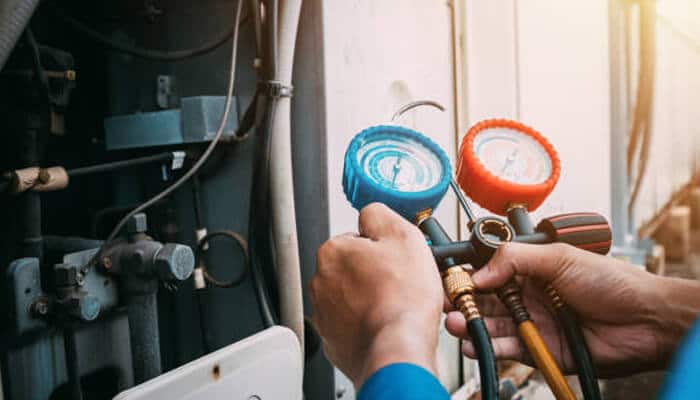
Modern HVAC systems are instrumental in regulating indoor air quality, directly impacting workplace health and productivity. By controlling temperature and filtering air, these systems create a stable environment conducive to focus and efficiency. Properly maintained HVAC systems can support business goals by ensuring a comfortable, productive atmosphere.
With regular maintenance, HVAC systems can operate efficiently for up to two decades, as noted by This Old House, balancing indoor climates and purifying air to optimal levels. Investing in advanced HVAC technology is a forward-thinking strategy for businesses aiming to maximize their human capital. A clean and regulated air supply is a cornerstone of a productive work environment.
Furthermore, the lifespan of such systems is dependent on their upkeep, which directly influences indoor environmental quality. According to Service Titan, furnaces can last up to 15 years, highlighting the necessity of regular system checks. This longevity ensures that businesses receive continual returns in the form of a dedicated, health-conscious workspace.
In conclusion, ensuring optimal indoor air quality is a powerful tool for enhancing workplace focus and productivity. By investing in quality ventilation and HVAC systems, businesses can cultivate environments that nurture their workforce’s potential. As companies prioritize air quality, they not only safeguard employee health but also build a sustainable, successful business model.