




Buy Now, Pay Later offers are good at making expensive purchases feel emotionally smaller. Four payments sounds easier than one big charge. A split checkout screen feels gentler than seeing the full amount leave your account at once. That is exactly why stacked payment plans can be so misleading. The problem is not usually one purchase by itself. The problem starts when several “small” commitments begin competing for the same paycheck.
The Danger With Payment Plans Is Not Always The Price Tag. It Is The Calendar.
This is where financial tracking software becomes more useful than simple budgeting. A budget might tell you whether a purchase fits in theory. Tracking shows whether your future cash flow is already crowded with delayed obligations. That difference matters, because stacked plans do not just divide a purchase. They scatter it across the month, where it becomes harder to notice and easier to underestimate.
Affordability Is Often Judged In The Wrong Moment
Most people decide whether something is affordable at checkout. They ask, “Can I handle twenty five dollars today?” That is a very different question from, “What else is hitting my account over the next three weeks?” BNPL plans encourage the first question and hide the urgency of the second.
This is why the real affordability test should happen on the due date, not the purchase date. A purchase can feel harmless when your account is full on Friday afternoon. It can feel very different when the second installment lands the same week as rent, a utility bill, a grocery run, and another split payment you forgot about. The item did not get more expensive. Your cash flow just became more crowded than you realized.
The Consumer Financial Protection Bureau explains that BNPL loans commonly split purchases into four or fewer payments, often with little or no money due upfront, while warning that missed payments can trigger fees and that borrowers should confirm they can afford the schedule before buying. The CFPB’s overview of BNPL loans makes that risk plain. When the amount is broken into pieces, it is easy to confuse a smaller installment with a smaller obligation.
Micro Payments Create Mental Blind Spots
A lot of people are careful with big expenses and careless with medium sized repetition. That sounds backward, but it makes sense. A nine hundred dollar couch gets attention. Three shoe purchases, a kitchen gadget, concert tickets, and a skincare bundle spread across payment plans may not. Each one looks manageable on its own. Together, they quietly claim part of next month before next month even begins.
This is a cash flow issue more than a math issue. People usually can add. What they struggle with is noticing how many future payments are already spoken for. A pile of twelve dollar, eighteen dollar, and thirty fivedollar installments rarely creates alarm. It creates fog. And fog is where overspending thrives.
That fog gets thicker when different providers are involved. In a 2025 CFPB study, more than three fifths of BNPL borrowers had multiple simultaneous loans at some point during the year, and about one third had loans from multiple providers. That matters because stacked borrowing is not just hypothetical behavior. It is common enough to show up clearly in national research. The same study also noted that BNPL loans often have limited visibility in traditional credit records, which can make the full picture harder to spot from the outside. For readers who want the broader research base, this CFPB report on consumer BNPL use and loan stacking is worth reviewing.
The Payment Plan Is Doing Emotional Work
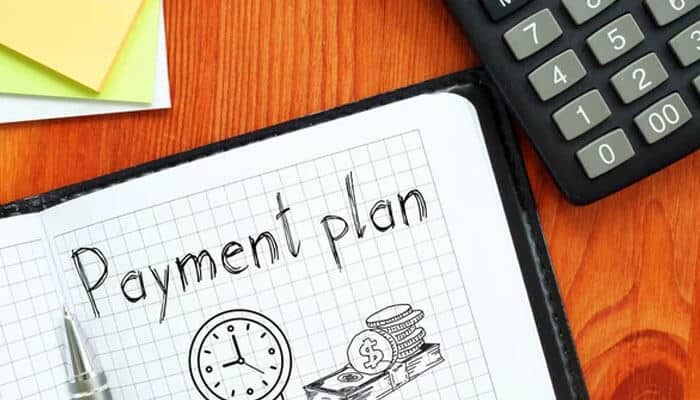
One overlooked reason these plans spread so easily is that they reduce purchase pain in the moment. A person who would hesitate at a full price may move ahead once the charge is chopped into neat pieces. That emotional relief feels like evidence of affordability, but it is really evidence of reduced friction.
In other words, the installment plan can act like a comfort feature. It softens the decision without improving your finances. You did not earn more money because the screen changed. You did not free up room in your monthly bills because the retailer offered a new button. You just postponed part of the discomfort.
That can be especially risky for everyday wants, not just emergencies or large essentials. Using a payment plan for furniture after a move is one thing. Using several at once for clothing, beauty products, home decor, and impulse electronics is when the false sense of control really sets in. The totals stay out of sight long enough for habits to form.
Late Fees Are Only Part Of The Problem
People often think the worst case scenario is a late fee. That is part of it, but not the whole story. The bigger issue is that stacked plans reduce flexibility before a crisis even happens. When too much of your future income is already committed, a surprise car repair or medical bill has fewer places to fit. Then you are not just juggling payments. You are making stressed decisions with less room to recover.
That is why BNPL can become a gateway to broader financial strain even when each original purchase seemed reasonable. The danger is cumulative. Not dramatic. Quiet. It shows up as tighter pay periods, more checking account anxiety, more reshuffling, and more dependence on the next paycheck arriving exactly on time.
A Better Question To Ask Before Using One
Instead of asking whether a split payment is small enough, ask whether your upcoming month has enough unclaimed space for another recurring obligation. List every remaining installment already scheduled. Add them together. Then place that total beside rent, groceries, transportation, insurance, and other fixed costs. That view is much closer to reality than any checkout widget.
If the purchase only works because the payment plan makes it look smaller, that is useful information. It may mean the item is not affordable right now, at least not without squeezing something else. Real affordability is not about whether one installment feels comfortable today. It is about whether the full chain of payments fits cleanly into your life without relying on memory, luck, or wishful timing.
Stacking payment plans creates a false sense of affordability because it hides financial weight in plain sight. The charges stay small enough to ignore, right up until they are numerous enough to control your month.
