Table of Contents
- Understanding RRSP Withdrawal Taxation
- Utilizing the Home Buyers’ Plan (HBP)
- Leveraging the Lifelong Learning Plan (LLP)
- Strategic Withdrawals During Low-Income Years
- Converting RRSP to RRIF
- Avoiding Over-Contributions
- Consulting with Financial Advisors
Successfully managing withdrawals from your Registered Retirement Savings Plan (RRSP) can significantly reduce the taxes you pay and help maximize your retirement savings. Withdrawing funds isn’t as simple as taking money out when you need it—specific RRSP withdrawal rules govern how and when you can access your savings, and understanding these rules is crucial to avoiding heavy tax penalties.
Every RRSP withdrawal adds to your taxable income, but strategic planning allows you to take advantage of beneficial programs and timing. Whether you’re a first-time homebuyer, going back to school, or simply planning your retirement, a thoughtful RRSP withdrawal strategy can help you keep more of your hard-earned savings by minimizing tax liability.
Failure to plan can have consequences that affect not only your taxes but also government benefits and long-term financial security. That’s why it’s wise to consider every option before making a withdrawal decision. Ultimately, the goal is to create a sustainable, tax-efficient income stream for your future.
Understanding RRSP Withdrawal Taxation
Any withdrawal you make from your RRSP must be reported as regular income for the year you take the funds. Your financial institution typically withholds tax at the source, deducting a fixed percentage before giving you the remainder. The standard withholding tax rates in most of Canada are:
- 10% (5% in Quebec) on withdrawals up to $5,000
- 20% (10% in Quebec) on withdrawals between $5,001 and $15,000
- 30% (15% in Quebec) on withdrawals over $15,000
However, the withholding tax may not cover your entire tax liability. If your total taxable income places you in a higher bracket, you may owe additional tax come filing season. Large lump-sum withdrawals can also affect income-tested government benefits such as Old Age Security (OAS) and the Guaranteed Income Supplement (GIS).
Before making withdrawals, use a tax calculator to estimate your future tax liability and understand how withdrawals may affect other income sources or benefits.
Utilizing the Home Buyers’ Plan (HBP)
The Home Buyers’ Plan (HBP) offers first-time homebuyers the opportunity to withdraw up to $60,000 from their RRSP, tax-free, to buy or build a qualifying home. Amounts withdrawn under this plan must be repaid over 15 years, beginning in the second year after withdrawal. If you fail to make the prescribed annual repayment, the outstanding portion is added to your taxable income that year, leading to additional taxes.
This program gives individuals the flexibility to use their retirement savings for a major life milestone, without the immediate tax repercussions of a direct withdrawal. It’s important to review eligibility criteria and develop a repayment plan before participating, as missed repayments can jeopardize your tax situation.
Leveraging the Lifelong Learning Plan (LLP)
The Lifelong Learning Plan (LLP) lets you withdraw up to $10,000 annually, with a $20,000 lifetime limit, from your RRSP to fund full-time education or training for yourself or your spouse. Repayment must commence within five years of the initial withdrawal or two years following the last withdrawal, whichever comes first. The full amount must be repaid within a 10-year window.
The LLP is particularly useful for individuals seeking professional advancement or a career change but who wish to avoid steep tax penalties during periods of re-skilling. As with the HBP, missed repayments are added to your income and taxed accordingly, so careful planning is essential.
Strategic RRSP Withdrawals During Low-Income Years
One proven method to minimize the tax impact of RRSP withdrawals is to aim for periods of lower income, such as during a sabbatical, unemployment, or the initial phase of retirement before government pension income kicks in. When your total taxable income is lower, the withdrawn amount is taxed at a reduced marginal rate, decreasing your overall tax bill.
This approach is especially effective for pre-retirees who expect to experience a temporary low income, such as after leaving full-time employment but before beginning Canada Pension Plan (CPP) or OAS benefits, or for individuals taking an extended leave from work. Always consider the potential effects on income-tested government programs, as large RRSP withdrawals could reduce or eliminate these benefits for the year.
Converting RRSP to RRIF
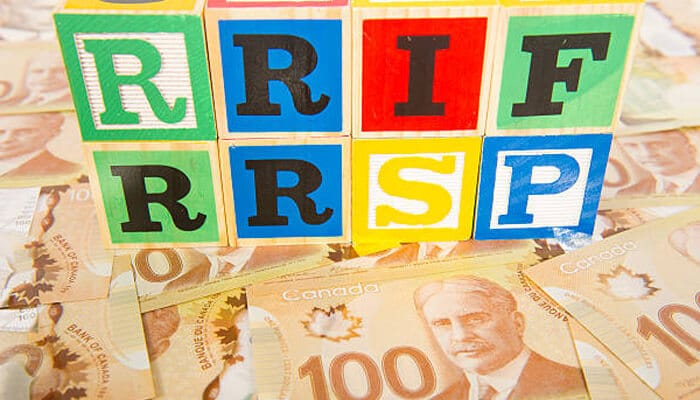
By December 31 of the year you turn 71, you are required to convert your RRSP into either a Registered Retirement Income Fund (RRIF) or an annuity. The RRIF is the more popular choice because it continues to allow your money to grow tax-deferred, while requiring minimum annual withdrawals that count as taxable income.
Strategically planning RRIF withdrawals can help you manage your tax liabilities and ensure a stable retirement income. It’s wise to review your annual minimums, potential tax brackets, and any spousal income splitting strategies that may further reduce taxes.
Avoiding Over-Contributions
Exceeding your RRSP contribution limit can result in steep penalties, 1% per month on the excess, unless it falls within the cumulative $2,000 lifetime over-contribution allowance. Diligently tracking your contributions each year is crucial to avoiding these costly errors. If you suspect an over-contribution, withdraw the surplus as soon as possible to mitigate further penalties, and consult a tax professional for next steps.
Consulting with Financial Advisors
Because of the complexities involved in taxation, government programs, and retirement income planning, enlisting the help of a financial advisor is highly recommended. Professional guidance ensures you have a withdrawal plan tailored to your financial situation, goals, and tax realities. Advisors help navigate government regulations and can alert you to legislative changes that might affect your strategy over time.
Final Thoughts
Smart RRSP withdrawal strategies require accounting for both your present and future financial needs, always with an eye on minimizing unnecessary tax burdens. By understanding the rules and leveraging the available programs, you can make your savings work harder and last longer in retirement.