




In the competitive world of beverage production, scaling up from a small-scale operation to a high-volume output is a significant milestone. However, this transition is fraught with challenges, particularly when it comes to maintaining product consistency. As demand grows, producers must ensure that the quality and uniformity of their beverages remain intact. This involves careful consideration of equipment choices, production processes, and strategic planning. In this article, we will explore the challenges faced by beverage producers during this critical phase, examine how consistent fill levels, sealing, and throughput can be maintained, and provide practical guidance on planning capacity increases without compromising product uniformity.
Challenges in Scaling Up Beverage Production
Transitioning from small-scale to high-volume beverage production presents a myriad of challenges. One of the primary concerns is maintaining the quality and consistency of the product. As production scales up, the risk of variability in taste, texture, and appearance increases. This can be attributed to several factors, including the complexity of managing larger batches, variations in raw material quality, and the increased potential for human error.
Equipment choices play a crucial role in addressing these challenges. The selection of appropriate machinery can significantly impact the quality of the final product. For instance, industrial filling machines are essential for ensuring precise fill levels and minimizing wastage. These machines are designed to handle large volumes efficiently while maintaining accuracy and consistency. However, choosing the right equipment requires a thorough understanding of the production process and the specific needs of the product.
Moreover, the integration of new equipment into existing production lines can be complex. It requires careful planning and coordination to ensure that all components work seamlessly together. This often involves retraining staff, adjusting production schedules, and potentially redesigning the production floor layout. Failure to address these issues can lead to bottlenecks, increased downtime, and ultimately, a decline in product quality.
Maintaining Consistency in Fill Levels, Sealing, and Throughput
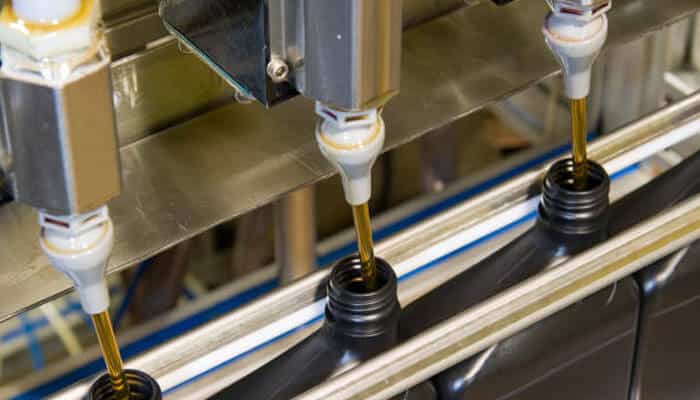
As demand for a beverage grows, maintaining consistent fill levels, sealing, and throughput becomes increasingly challenging. Fill levels are critical to ensuring that each unit of product meets the expected volume and weight specifications. Inconsistent fill levels can lead to customer dissatisfaction and potential regulatory issues.
To maintain consistent fill levels, producers must invest in high-quality filling machines that offer precision and reliability. These machines should be capable of handling the increased production volume without sacrificing accuracy. Additionally, regular maintenance and calibration of the equipment are essential to prevent deviations in fill levels.
Sealing is another critical aspect of beverage production that must be carefully managed. Proper sealing ensures product freshness and prevents contamination. As production scales up, the risk of seal failures increases, which can lead to spoilage and product recalls. Implementing robust quality control measures and investing in reliable sealing technology can mitigate these risks.
Throughput, or the rate at which products are produced, is a key performance indicator in beverage production. As demand increases, producers must find ways to increase throughput without compromising quality. This often involves optimizing production processes, reducing downtime, and ensuring that all equipment operates at peak efficiency. Partnering with experienced suppliers like STM Pack can provide access to cutting-edge technology and expertise that can help streamline production and maintain consistency.
Planning Capacity Increases Without Compromising Product Uniformity
Planning for capacity increases is a complex process that requires careful consideration of various factors. One of the most important aspects is ensuring that product uniformity is not compromised as production scales up. This involves a strategic approach to production planning, resource allocation, and process optimization.
Producers must conduct a thorough analysis of their current production capabilities and identify areas for improvement. This may involve upgrading existing equipment, investing in new technology, or reconfiguring production lines to enhance efficiency. Additionally, producers should consider implementing advanced quality control systems to monitor product consistency in real-time.
Another critical aspect of planning capacity increases is workforce management. As production scales up, the demand for skilled labor increases. Producers must ensure that their workforce is adequately trained and equipped to handle the increased production volume. This may involve hiring additional staff, providing ongoing training, and implementing performance management systems to ensure that all employees are aligned with production goals.
Finally, producers must consider the impact of scaling up on their supply chain. As production volumes increase, the demand for raw materials and packaging supplies also rises. Producers must work closely with suppliers to ensure a steady and reliable supply of high-quality materials. This may involve negotiating long-term contracts, diversifying suppliers, or investing in inventory management systems to optimize stock levels.
In conclusion, scaling up beverage production without losing consistency is a complex but achievable goal. By carefully considering equipment choices, maintaining consistent fill levels, sealing, and throughput, and strategically planning capacity increases, producers can successfully navigate this critical phase of growth. With the right approach, beverage producers can meet growing demand while maintaining the quality and uniformity that their customers expect.
