


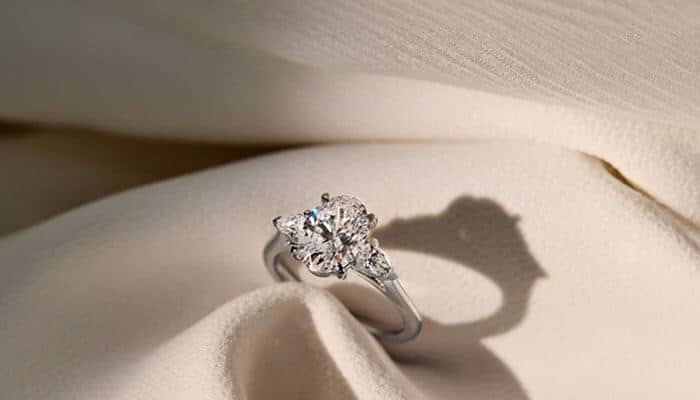

Ten years ago, saying “lab-grown diamond” at a jewellery counter might have got you a polite but sceptical look. Today it’s often the first question a customer asks. That shift didn’t happen by accident, and it’s changing how Australians think about buying an engagement ring.
Why the Perception Changed So Fast
The old objection was always the same: a lab-grown stone isn’t “real.” But chemically, physically, and optically, a lab-grown diamond is identical to one pulled out of the ground. Same carbon lattice, same hardness, same fire and brilliance under light. The only meaningful difference is where it came from and how long it took to form, a mine over a billion years, or a lab over a few weeks.
Jewellers noticed customers doing their own research before ever walking into a store. Reddit threads, YouTube comparisons, independent grading reports. By the time someone books a consultation, they’ve often already worked out that the visual and structural differences are effectively zero. What’s left is a decision about value, not authenticity.
The Price Gap Is Doing a Lot of the Talking
This is where the conversation gets practical. Lab-grown diamonds are consistently priced well below mined stones of comparable size, cut, and clarity, and that gap is the single biggest driver behind the shift. It means a couple can either put money back in their pocket, or stretch the same budget toward a noticeably larger or higher-grade stone than they could otherwise justify.
For a lot of buyers, that changes the whole shape of the decision. Instead of compromising on carat size or clarity to fit a budget, they’re finding they can get closer to the ring they actually pictured. Cullen Jewellery’s range of Lab Grown Diamonds is a good example of how far that value now stretches, with certified stones giving buyers meaningfully more carat and clarity for the same spend than a mined equivalent would allow.
Sustainability Matters, But Maybe Not the Way You’d Expect
Ask most buyers why they went lab-grown and you’ll hear sustainability mentioned, but rarely as the headline reason. It tends to come up as a bonus once the price and quality case is already made. Traditional diamond mining carries land disturbance, water use, and community impact that’s well documented, and a lab-grown alternative sidesteps most of that.
Still, it’s worth being precise here. Lab-grown production isn’t impact-free either, it uses significant energy. The more sustainable operations increasingly run on renewable power or carbon-neutral processes, so it’s worth asking a jeweller how their stones are actually produced rather than assuming “lab-grown” automatically means “green.”
What Buyers Actually Ask For Now
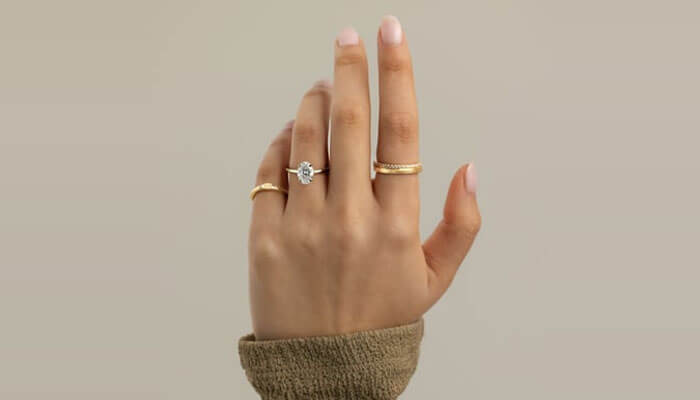
Walk into a showroom in 2026 and the questions have changed. Fewer people ask “is it real,” more people ask about the grading certificate, how the stone was grown, and whether the cut grade is verified independently. That’s a more mature conversation, and it puts pressure on jewellers to be transparent rather than persuasive.
Some customers still want a mined stone, often for family or sentimental reasons, and that’s a legitimate choice too. But the number of people who assume mined is the only “proper” option keeps shrinking every year.
The Bigger Shift Underneath All This
What’s really happening is a decoupling of two things that used to be treated as one: rarity and beauty. For decades, a diamond’s price was tied heavily to scarcity. Lab-grown production breaks that link, and once buyers see the stone under a loupe next to a mined equivalent, the argument for paying a scarcity premium gets a lot harder to make.
That’s not a small technical footnote. It’s a fundamental rewrite of how the engagement ring category will price itself over the next decade, and the couples buying rings this year are the ones writing the first draft.
