


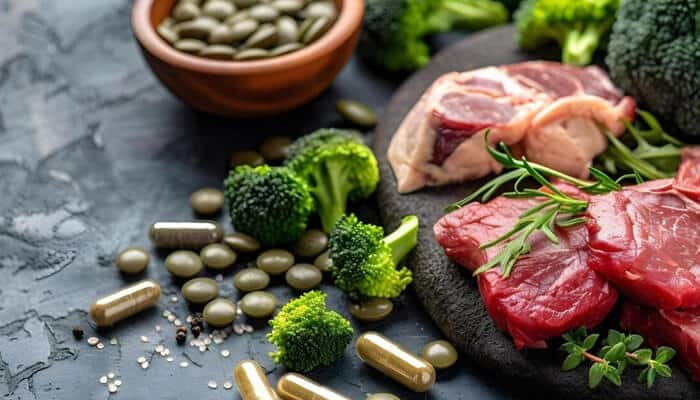

In recent years, organic beef organ supplements have gained attention among health-conscious consumers looking for nutrient-dense additions to their wellness routines. Derived from organs such as liver, heart, kidney, and spleen, these supplements are often marketed as a convenient way to access nutrients that have traditionally been part of ancestral diets.
While organ meats have been consumed for centuries in many cultures, modern lifestyles and changing food preferences mean that fewer people regularly eat them. As a result, supplements made from freeze-dried or desiccated beef organs have become a popular alternative. If you’re curious about these supplements, understanding their potential benefits, considerations, and how to choose a quality product can help you make an informed decision.
What Are Organic Beef Organ Supplements?
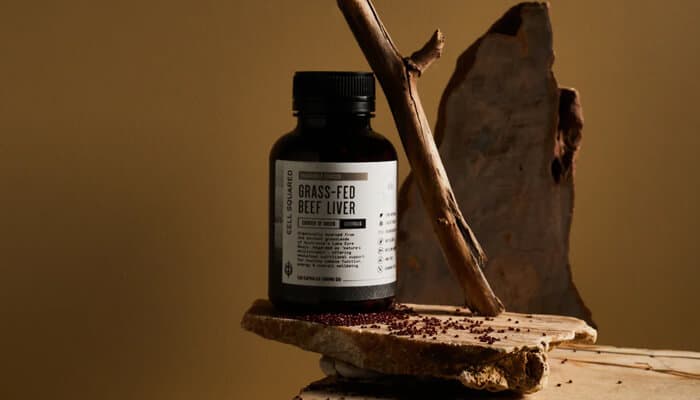
Organic Beef Organ Supplements are typically made from the organs of cattle raised according to organic farming standards. The organs are usually freeze-dried or dehydrated, then ground into a powder and encapsulated for easy consumption.
Common organs used in these supplements include:
- Liver
- Heart
- Kidney
- Spleen
- Pancreas
- Brain (in some formulations)
The goal is to provide concentrated nutrients found naturally in these organs without requiring consumers to prepare and eat organ meats themselves.
Why Are Organ Meats Considered Nutrient-Dense?
One of the main reasons organ supplements have become popular is their impressive nutritional profile. Compared to traditional muscle meat, organ meats often contain higher concentrations of vitamins and minerals.
Liver
Liver is especially rich in:
- Vitamin A
- Vitamin B12
- Folate
- Iron
- Copper
- Choline
These nutrients play important roles in energy production, immune function, and red blood cell formation.
Heart
Beef heart contains:
- Coenzyme Q10 (CoQ10)
- Iron
- Zinc
- Selenium
- Protein
These nutrients are associated with cellular energy production and overall cardiovascular health.
Kidney and Other Organs
Kidney and other organ tissues contribute additional vitamins, minerals, amino acids, and trace nutrients that support various bodily functions.
Potential Benefits of Organic Beef Organ Supplements
1. Convenient Nutrient Support
Many people find organ meats difficult to prepare or simply do not enjoy their taste. Supplements offer a practical alternative for those who want access to these nutrients without incorporating organ meats into meals.
2. May Support Energy Levels
Organ meats are naturally rich in iron, vitamin B12, and other B vitamins that contribute to normal energy metabolism. Individuals with low dietary intake of these nutrients may find organ-based foods helpful as part of a balanced diet.
3. Supports a Nutrient-Rich Diet
Many organ supplements contain a broad spectrum of naturally occurring nutrients, making them appealing to those interested in whole-food-based nutrition rather than synthetic supplements.
4. May Appeal to Active Individuals
Athletes and physically active individuals often prioritize protein, iron, zinc, and B vitamins. Since organ meats contain many of these nutrients, supplements have become increasingly popular within fitness and wellness communities.
5. Aligns With Ancestral Nutrition Approaches
Some people choose organ supplements because they align with ancestral or nose-to-tail eating philosophies, which emphasize consuming a wider variety of animal foods rather than focusing solely on muscle meat.
What to Look for When Choosing a Supplement
Not all beef organ supplements are created equal. Here are several factors worth considering.
Organic and Grass-Fed Sources
Many consumers prefer products sourced from organically raised or grass-fed cattle. These farming methods often appeal to those seeking minimally processed and naturally raised food sources.
Freeze-Dried Processing
Freeze-drying is commonly used because it helps preserve nutrients while avoiding excessive heat exposure.
Transparent Ingredient Lists
Choose products that clearly identify:
- Which organs are included
- Serving size
- Ingredient sourcing
- Any additional fillers or additives
Third-Party Testing
Independent testing can provide greater confidence regarding quality, purity, and label accuracy.
Important Considerations Before Taking Beef Organ Supplements
While these supplements can be nutrient-rich, more is not always better.
Vitamin A Intake
Liver-based supplements can contain significant amounts of vitamin A. Excessive intake over time may lead to toxicity, particularly if combined with other vitamin A supplements.
Iron Levels
People with conditions involving iron overload should be cautious when using iron-rich organ supplements.
Existing Health Conditions
Individuals who are pregnant, managing chronic health conditions, or taking medications should consult a healthcare professional before adding any new supplement to their routine.
Supplements Are Not a Replacement for a Balanced Diet
Even nutrient-dense supplements should complement—not replace—a healthy diet rich in whole foods, vegetables, fruits, quality proteins, and healthy fats.
Conclusion
Organic beef organ supplements offer a convenient way to access nutrients naturally found in organ meats, including vitamins A and B12, iron, zinc, choline, and other beneficial compounds. For individuals who do not regularly consume organ meats, they may serve as a practical addition to a nutrient-focused lifestyle.
However, it’s important to approach these supplements thoughtfully. Quality sourcing, transparent manufacturing practices, and appropriate usage all play a role in making a smart choice. As with any supplement, the best results come when they are used alongside a balanced diet and healthy lifestyle rather than as a substitute for good nutrition. By understanding both the potential benefits and limitations, you can determine whether organic beef organ supplements fit your personal wellness goals.
