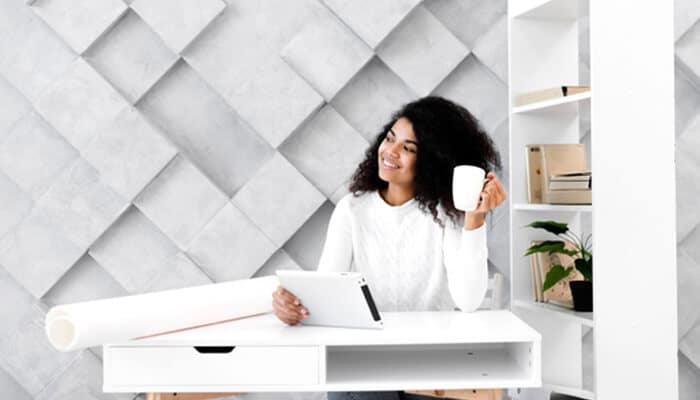
No longer voluntary, creating an office terrain that inspires workers while highlighting a company’s brand identity is now essential. Productivity, engagement, and overall plant satisfaction are influenced through thoughtful design. From colour schemes to furniture layouts, each element plays its part in shaping perceptions and performance. The following are five office design strategies that will help ameliorate morale while strengthening your brand.
Thoughtful Layouts Encourage Collaboration
The physical arrangement of the office has much to do with how teams interact. Open-plan areas give ample openings for smooth communication, while quiet zones allow focused work. Integrating flexible workspaces, such as portable desks or multipurpose meeting rooms, gives workers a choice of surroundings. As a result, motivation and creativity increase when staff feel their requirements are considered. A well-planned layout also minimises backups and streamlines everyday operations. Also, when layouts echo a company’s values–be it through cooperative hubs or innovative spaces–brand messaging is corroborated without overt signage.
Colour Psychology and Interior Paint
Colour subtly yet potently affects mood and productivity. In Australia, businesses are increasingly recognising the benefits of using colour strategically in their offices. Soft blues and greens create calm and focus, while yellows or oranges stimulate energy and creativity. Neutral shades can be effectively used as backdrops for artwork and branding components. To achieve the best results, it’s wise to hire experienced commercial painters in Brisbane to apply finishes professionally, ensuring longevity and a flawless look that aligns with your brand palette. This strategic use of colour can even extend to influence perceptions of clients through making a space more welcoming or high-end, depending on positioning.
Incorporating Brand Elements Through Decor
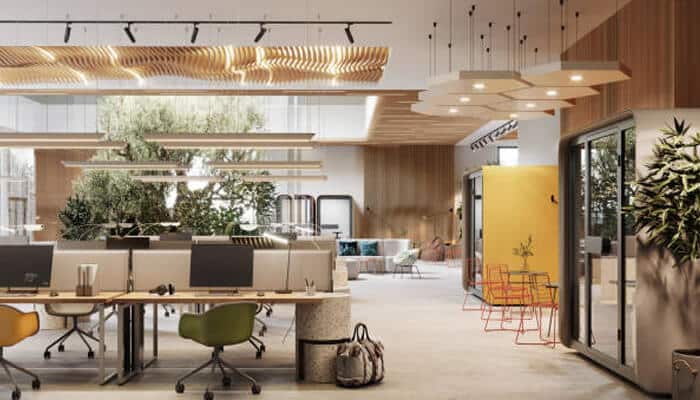
Incorporating brand identity into office design is more than slapping logos on walls. Branded colors can make their way into furniture, signage, and accents. Communicate culture visually by visibly displaying company achievements, values, or mission statements. Even with the smallest of touches, such as custom wall graphics or branded cushions, it’s a space that communicates purpose in cohesion. This makes employees feel more connected because the space reflects the company ethos, while clients can immediately tell a well-aligned professional presence of the brand. Brand-focused décor also tells stories, making sure that any visitor or new employee knows the journey of the company at a glance. Thoughtful integration of brand elements into everyday spaces strengthens loyalty, encouraging employees to live the brand in their daily contributions.
Lighting That Enhances Well-being
Lighting levels impact energy, mood, and attention. Natural lighting should be maximised whenever possible, as this enhances alertness and diminishes fatigue. Concentrated artificial lighting–task lights, ambient lighting, and accent lighting–can reflect natural conditions when sunlight is limited. Malleable lighting in workstations enables workers to control their immediate terrain in support of well-being and helps reduce eye strain. Well-considered lighting design attestations concern for the comfort of workers and reinforces the plant culture valuing health and productivity. Proper lighting will also enhance design features, colours, and textures, making the spaces vibrant and inviting. By considering the emotional and functional goods of lighting, businesses can draft surroundings that foster productivity and great customer experiences.
Furniture and Layout That Support Movement
The design of modern offices enables people to move freely and be flexible. Ergonomic chairs and desks that can be adjusted reduce physical strain and allow for better posture. Standing areas, collaboration pods, and lounge spaces are important elements to give variety in work modes. Movement-friendly layouts foster casual, informal relations and spontaneous brainstorming, which may spark invention. By blending comfort with functionality, companies show that employee well-being is a priority while purposeful design communicates a modern, adaptive, and forward-thinking brand. In time, thoughtful design can enhance overall plant satisfaction, reduce absenteeism, and place the company as an ultramodern, employee-focused brand.
Every aspect of office design informs not only worker morale but also the brand identity. Thoughtful layout, strategic colour, ingrained scenery, lighting, and ergonomic furniture each make a statement of care, culture, and professionalism. When work areas are designed with people and purpose in mind, they become more than just places to work; they’re an extension of the brand itself. By investing in thoughtful design, workers feel valued, and guests see a company as cohesive, dynamic, and confident.