


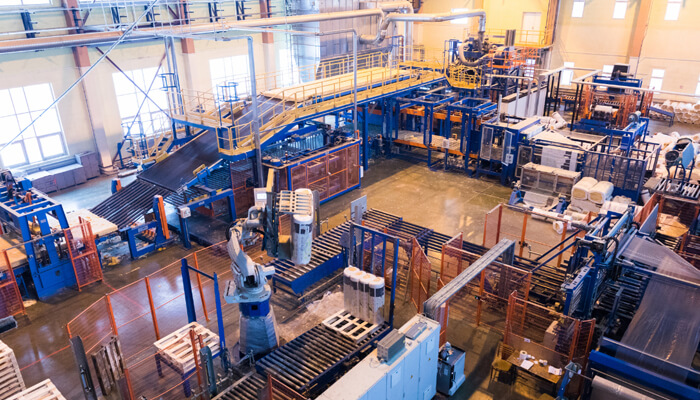

Why do global manufacturers still rely on manual Excel sheets despite investing millions in ERP systems? Most operational leaders find themselves trapped between fragmented data and reports that nobody trusts. This shift from temporary patches to a solid data foundation determines whether a factory stays competitive or sinks under technical debt. This article explores how Multishoring and similar data transformation approaches help manufacturers can break that cycle, and what a genuine data transformation looks like in practice.
The High Cost Of Fragmented Systems In Modern Production
Disconnected software does not just slow reporting down — it quietly distorts every operational decision made above the factory floor. Understanding how silos form is the first step toward dismantling them.
How Silos Form Without Anyone Deciding To Build Them
Fragmented systems rarely result from a single bad decision. They accumulate gradually, one department at a time, as each team solves its immediate problem with the best tool available to it. The warehouse adopts a system optimized for inventory tracking. The sales team selects a CRM that integrates with their forecasting tools. The production floor runs scheduling software that communicates with the machines on the line. Each choice is defensible. Each choice is made without full visibility into what the other departments are running.
The result is an architecture that nobody designed and nobody fully understands. Data exists in abundance across the organization – but it is locked inside individual systems, formatted differently in each one, and accessible only to the team that owns it. Leaders who need a cross-functional view of the production cycle are left to request exports, wait for manual compilation, and hope that the person assembling the report has reconciled the conflicting terminology between systems correctly.
The Strategic Blindspot Created By Disconnected Data
When systems do not communicate, the impact goes beyond reporting inconvenience. Valuable operational insights remain hidden inside specific departments, invisible to the leaders who most need them. A quality issue identified by the production team may not reach the procurement team before the next raw material order is placed. A delivery delay flagged by logistics may not surface in the customer service dashboard until a complaint arrives.
Engineers and analysts – the people best positioned to improve production processes – spend a disproportionate share of their time moving files, converting formats, and chasing down numbers rather than doing analytical work. This fragmentation increases the risk of stockouts or overproduction, because the inventory picture is always a few steps behind reality. Fixing these issues requires more than another software update. It demands a fundamental rethink of how data flows between every machine and office in the organization.
When Middleware Stops Scaling With Your Growth
Brittle middleware serves as a temporary bridge that eventually cracks under the pressure of high data volumes. Many companies use custom scripts to connect their legacy systems to modern cloud platforms. These scripts work for a year or two. Then, a system update or a new acquisition breaks the entire chain. When these quick fixes stop working, the business grinds to a halt while IT teams scramble to find the error.
Modern manufacturing requires a more resilient approach to integration. Instead of messy point-to-point connections, experts recommend migrating to scalable, AI-assisted environments. These setups handle complex data transformations automatically. In the competitive Chicago industrial market, Multishoring works with manufacturers to unify multiple ERPs and fix the foundation of their digital environments. This allows data to flow freely between global units without constant manual maintenance.
Replacing Manual Excel Reliance With Automated Integrity

Spreadsheets did not create the data problem – they revealed it. Moving beyond them requires addressing the structural gaps that made them necessary in the first place.
Why Spreadsheets Become The Default – And Why That Is A Problem
The persistence of Excel in manufacturing operations is not irrational. When integrated systems fail to produce the reports that managers need, spreadsheets fill the gap. They are flexible, familiar, and immediately available. A manager who needs a specific view of production data does not wait for IT to build a new report – they export the data they have access to and build the view themselves.
The problem is not the spreadsheet. The problem is what happens when spreadsheets become the primary mechanism for aggregating and distributing operational data. Most errors in manufacturing data originate in manual entry and human manipulation. When a staff member copies numbers from one report to another – transposing a digit, referencing the wrong cell, or applying last month’s formula to this month’s data – the error is invisible. The resulting figure looks legitimate. It circulates through the organization, informs decisions, and may not be discovered until significant damage has already been done.
The Reporting Lag And Its Strategic Consequences
Beyond the error risk, manual reporting introduces a structural delay between events on the factory floor and information in the hands of decision-makers. When compiling a report requires extracting data from three systems, cleaning it in Excel, and distributing it by email, the process takes time – often days. By the time a manager reviews the numbers, the situation they describe has already changed.
This reporting lag makes proactive management effectively impossible. A production line running below target on Monday cannot be corrected by a report that arrives on Thursday. A supplier quality issue identified mid-week cannot inform the Friday purchasing decision if the data has not yet been compiled. The organization operates in a permanent state of responding to the recent past rather than managing the present.
Building A Single Source Of Truth
The path away from spreadsheet dependency runs through automated reporting connected to a single source of truth. Automated systems pull data directly from the source in real time, ensuring that the numbers on any dashboard or report reflect what is actually happening on the factory floor at that moment – not what was happening when the last export was run.
This shift has effects that go beyond data accuracy. When teams across the organization are looking at the same numbers simultaneously, the energy spent reconciling conflicting reports is redirected toward acting on shared information. Operational efficiency improves not because the data is better in isolation, but because everyone is working from the same reality. Trust in the numbers is the primary prerequisite for any successful digital transformation – and it cannot be established without removing the manual processes that introduce doubt.
Moving Toward Operational Efficiency Through Data Clarity
True operational efficiency begins when data becomes a tool for prediction rather than just a record of the past. Modern BI architecture allows manufacturers to spot bottlenecks before they cause downtime. This requires a transition from reactive fixes to a proactive data strategy. Companies must focus on data integrity to ensure that every sensor and software module contributes to a clear picture. Clean data pipelines support better resource allocation and reduce waste across the board.
Eliminating the chaos of broken integrations frees up internal resources for innovation. Managers can focus on growth instead of troubleshooting reporting errors. A solid data foundation supports the implementation of advanced analytics and machine learning. Without clean data, these advanced tools often provide misleading results. Investing in a stable data architecture ensures that the company is ready for the next phase of industrial automation.
