


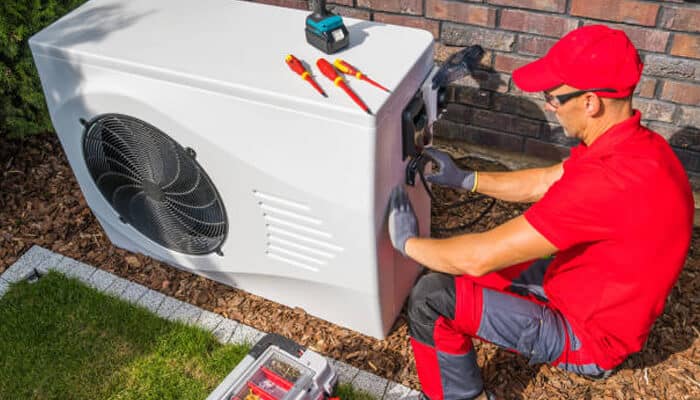

Heating will always be in demand in the UK, but you cannot rely on that alone. The most successful businesses outperform the competition by staying adaptable and embracing the latest trends and technology first. Here are the key areas to focus on to modernise your UK heating engineering business to meet the latest demands and reap the benefits of being in this ever-changing industry.
1. Embracing digital processes
If you’re still relying on physical paperwork and manual appointment scheduling, you’re doing yourself a disservice. While they require some initial investment in terms of time and money, digital software will improve efficiency significantly.
Automatically accept jobs and spread these strategically across your workforce, optimising individual daily routes to save time and fuel. Set up digital invoicing, which can be updated at any time from anywhere and enhanced with auto-reminders. Analyse accounts and customer feedback to identify key areas for improvement. Easy to install and use, these AI-led programmes are the future of business admin, giving you more time to spend on growing your company.
2. Updating your equipment
Ensure every job is done to excellent quality by upgrading to modern tools. From thermal imaging cameras and digital pressure testing equipment to wireless diagnostic devices, these intelligent tools can help engineers identify faults more quickly and accurately than through trial-and-error testing. Connected tools also support record-keeping, letting you learn from every job. Testing equipment part of the Internet of Things can transmit readings into a shared system, providing key data that can help you stay ahead.
The latest power tools are also specially designed to outperform older models, letting tradespeople work harder and faster for longer. They’re also engineered to withstand testing environments and facilitate precision work in restricted spaces, helping you keep standards high while minimising equipment spend.
3. Considering sustainability goals
A key part of the UK’s ambitious target to reach net-zero carbon emissions by 2050 is upgrading outdated heating systems in homes and commercial units. Gas, oil and even more modern electric boilers will eventually be replaced with renewable energy systems, like ground source or air con heat pumps and solar-powered systems. Although gradual right now, this switch is set to really ramp up over the next couple of decades, so it’s logical to get ahead now.
Sustainability is driving consumer demand too, separate to government targets. Increasingly, homeowners are looking to minimise energy use, whether due to environmental or cost concerns. Being able to talk knowledgeably about, source and install green heating systems will set you apart as a leader in the field. Smart boilers and connected thermostats are also proving popular, as they help homeowners optimise energy use far more effectively than traditional models. As well as being able to supply them, ensure you know how to support with set-up, explaining the benefits of zoning for example.
4. Staying aware of regulations
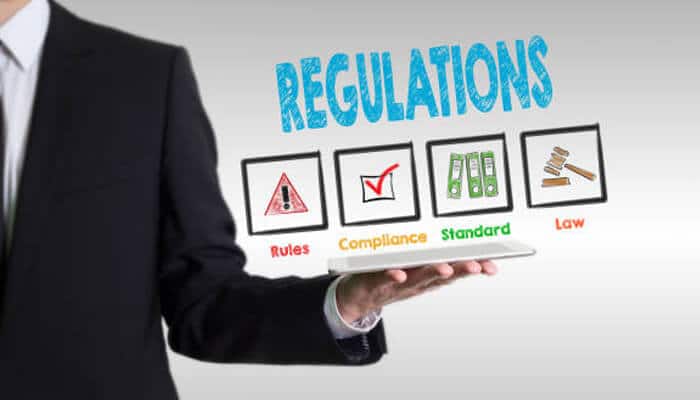
Regulatory requirements continue to evolve across the heating industry. Changes to building regulations and energy efficiency standards are driving new rules around equipment and certification and can even affect how you carry out installations and advise customers.
Businesses that monitor developments regularly avoid the disruption that often follows last-minute adjustments. For example, if new compliance requirements affect documentation, you can update internal procedures before they become mandatory. This approach reduces mistakes and prevents delays on projects.Assign responsibility for monitoring industry updates to a specific member of your management team and let them take the lead.
5. Developing your workforce
Maintaining a skilled workforce isn’t new business best practice, but it’s getting increasingly challenging as technology advances at a rapid rate, so staff training deserves your attention and evaluation with fresh eyes. Recruiting experienced engineers trained in installing the latest systems can prove difficult, so retaining existing staff delivers greater value while helping to increase staff satisfaction.
Regular training, clear career progression and mentoring programmes help employees develop their skills while strengthening loyalty to the business. An apprentice who receives structured support may progress into a highly productive engineer over several years, reducing future recruitment pressures.
Strong communication also plays an important role. Engineers who understand company goals and customer expectations often represent the business more effectively on site. Customers notice the difference when staff arrive prepared, explain technical information clearly and complete work professionally.
