Introduction
Families are changing. The stereotype of a mom, dad, and two kids in a suburban home with a white picket fence is no longer the norm. Today, families come in various shapes and sizes, and this evolution is altering our perception of what makes a home. Some may argue it’s progress; others call it chaos. Either way, it’s happening, whether we like it or not. Welcome to the age of housing evolution, a shift that reflects the diversity of modern families. Didn’t see that coming, did you?
Out with the Old Housing Evolution
Let’s be honest – the two-bedroom home model is outdated. Families demand more dynamic solutions. Today’s homes must accommodate more than just sleeping and eating. We’re living at home, working at home, and sometimes schooling at home. A single-purpose living space is as dead as the landline telephone.
It’s less about spacious living rooms and more about multifunctional spaces. Think of it as the Swiss army knife of housing. Tiny homes, co-living spaces, and home offices have taken center stage, demanding their moment in the spotlight.
The idea of home has become more flexible, sometimes even experimental. Architects and designers are challenged to innovate, crafting multipurpose rooms that can suit all sorts of needs. Wall beds, foldable furniture, and adaptable layouts aren’t just design novelties—they’re practical necessities. With the integration of flexible features, families can mold and shape their living spaces to fit the rhythms of their lives.
As families embrace these new living environments, the necessity of maintaining reliable and efficient home systems becomes paramount. Access to a trusted plumbing & HVAC company ensures that the essential functions of a home, from heating and cooling to water systems, operate smoothly, supporting the transformed spaces where families live and thrive. For folks in Arizona, that company is Nichols Mechanical.
Blended Families and Communal Living
Here’s a twist: multi-generational homes. Families now welcome grandparents and adult children under one roof. These aren’t just houses; they’re mini-societies. But don’t break out the confetti just yet. Managing household dynamics isn’t for the faint-hearted.
While some relish the sense of community, others consider it a return to bygone eras. “Didn’t we evolve past tribal living?” skeptics might scoff. But it turns out, in uncertain times, it pays to buddy up.
Intergenerational living reshapes not just the physical space of a home, but also the emotional connections within it. Family members take on diverse roles, sometimes serving as caregivers, mentors, or confidants to one another. As people navigate this complex web of relationships, the home transforms into a tapestry woven from shared values, histories, and experiences. This setup not only fosters communication but can alleviate daily pressures by sharing resources and responsibilities.
Housing Inequality and Urban Dilemmas
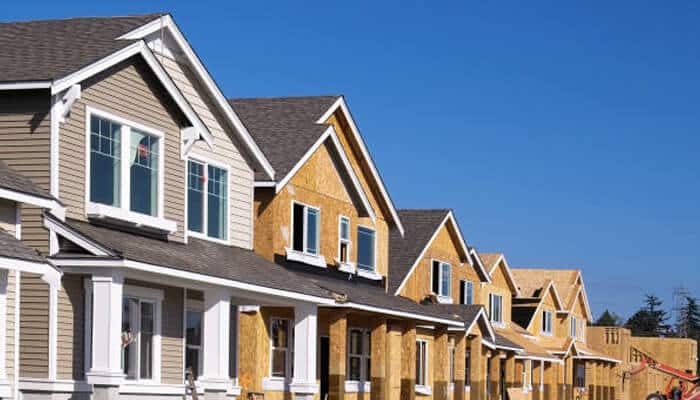
But there’s a catch. As urban spaces grow cramped, cities are dealing with a housing crunch. Affordable housing is becoming as rare as loyalty in reality TV. Smaller units, lofts, and shared apartments are now the norm for many young professionals.
We’re forced to question whether urban life is an aspirational goal or simply a practical solution. Overcrowding, shrinking square footage, and skyrocketing rents present serious questions for policymakers. For now, the waitlist is long, but the options are limited.
However, the rise of remote work adds a compelling twist to the urban exodus narrative. While city centers still hold allure, many are considering suburban or rural areas where space is more abundant and nature is more accessible. Coupling this with efforts from policymakers to revitalize smaller communities could present a solution to the ongoing quandary of housing inequality, although the path remains fraught with challenges.
The Tech Connection
Home technology has few fans, but no one can deny it’s making waves. In our tech-fueled world, features like smart home systems have become highly desirable. From light control to security – we’re finding ourselves in digital “dwellings.” Remember when homes just kept us warm and dry?
While integrating tech seems attractive, it comes with challenges. Not everyone is stoked about a fridge with Wi-Fi. For others, though, it’s like catnip. Either way, technology plays a key role in shaping new housing models.
The Push for Sustainability
The self-sufficiency movement is in full swing with eco-friendly homes and energy-efficient builds. Think solar panels and sustainable building materials. It turns out sustainability is more than a trend; it’s a life choice.
People want homes that reflect their values, much to the horror of those clinging to resource-draining measurements of status. But just try telling that to someone who’s seen their energy bill slashed to shreds. Many are discovering that doing “good” can pay off, quite literally.
Even the construction industry is catching on. New building codes encourage the use of recycled materials and energy-efficient designs. Communities are also rethinking infrastructure investments to support green initiatives. Residents in eco-conscious neighborhoods find not only financial incentives but a profound sense of connection with their living environment as they actively participate in reducing their ecological footprint.
Conclusion
The concept of family and home has encountered more than a few plot twists. The small, static visions of the past are making way for the vast and varied housing solutions of today. Embrace it or hate it; change is here, and it’s shaking up our brick-and-mortar world. The question is not what the future holds but whether we are ready to swap traditional definitions for something new. Home sweet home has never been bolder.