


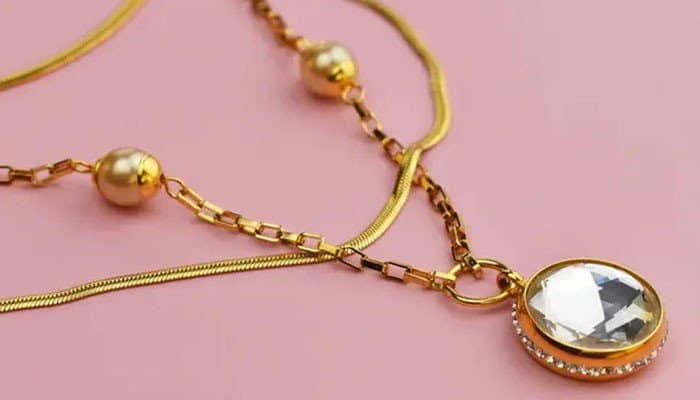

People buying jewelry for themselves know what they want, at least most of the time. On the other hand gift shoppers have far less to go on. They might know the recipient favors silver and when her birthday falls, but ring size, chain length, piercing count and whether a big hoop would land well are all guesses.
That gap stood out most while I was researching this piece. Some jewelry types ask the buyer to guess far less, and those deserve attention.
Earrings Sidestep the Biggest Risks
An INSTORE survey of jewelry retailers made a point that is easy to miss: earrings do not require anyone to work out a ring size or pick a chain length.
Not every earring is a safe pick, though. Oversized hoops, cartilage pieces and very specific novelty designs still depend on knowing the wearer. Small hoops, huggies and studs leave much less room for error.
That matters for teens and young adults, since the buyer is often a parent, grandparent or family friend with only a rough idea of how the recipient wears jewelry now.
Small Hoops Give Shoppers a Starting Point
Across the supplier ranges I browsed, small hoops and huggies appeared in plenty of forms: plain, stone-set, pearl, gold-plated and charm styles. That variety lets shoppers match the level of personalization to what they actually know.
Know very little? A simple small hoop is a sensible start. Know she loves sparkle? CZ opens another route. A birthday points to a birthstone, and hearts or stars work once the buyer senses her taste. The product stays a hoop, but the personality can vary widely.
Watch What Changes Around the Hoop
While combing the hoop research and collections like an actual buyer on 925silverjewelry.com, I noticed a pattern that suits gift buying. The range does not keep reinventing the hoop. Familiar huggies and hoop shapes return with CZ, freshwater pearls, hearts, stars, geometric charms and different finishes.
For a gift shop, that gives customers several ways into one product. Someone who only knows she wears silver can stop there. Someone who knows she likes pearls can go a step further, and a favorite symbol or finish narrows it again. That is easier than choosing between entirely different types of jewelry.
Packaging Does More Work Than You Might Think
Supplier interviews in Gift Shop Plus raised something I had barely considered: presentation. Several brands sold through gift shops use jewelry cards and boxes because the piece is likely to be given to someone else.
It changes what the product has to do. Loose earrings in a tray make the customer imagine the finished gift, while carded or boxed ones have done that already. Coordinated sets work similarly, letting the buyer give several pieces without matching unrelated designs.
Stock Around What the Gift Buyer Knows
Comparing new arrivals from different hoop suppliers made one thing clear: the safest gift picks are not always the plainest. They are the ones that ask the buyer to know less about the person who is wearing them.
When browsing multiple supplier sites from Thailand, there was a common overlap with this hoop earring catalog which showed us how far this stretches inside one category: plain small hoops and huggies, CZ-set styles, pearl versions and recognizable themes like hearts and stars. Each working for different certainties.
If the shopper only knows she wears silver, a small plain hoop works. If they know she likes sparkle, pearls or a symbol, they can get more specific without leaving the category. That is what I would look for when planning gift stock: familiar earring shapes first, with enough variety to personalize as shoppers learn more.
