


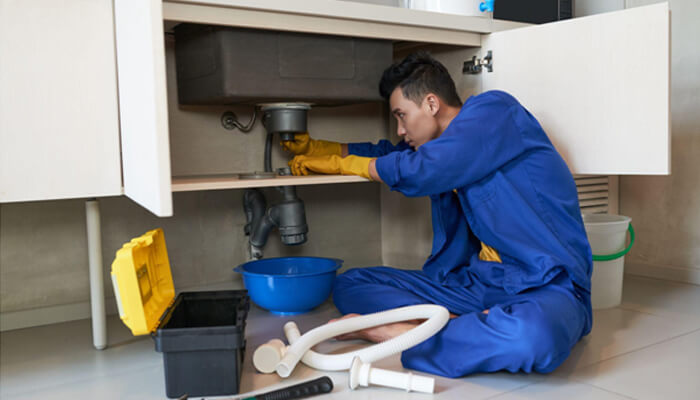

The two main drain cleaning methods work very differently. Snaking is mechanical; a coiled metal cable physically breaks apart whatever’s blocking the pipe. Hydro jetting uses pressurized water to blast debris clean off the pipe walls. Here’s how to think through it.
What is Drain Snaking
A drain snake, also known as an auger, basically consists of a lengthy, flexible metal cable with a corkscrew tip. You feed the cable into the drain until it touches the blockage, and then you turn it. For more than 100 years, plumbers have been using different versions of this tool, and the fact that it is still here is proof that it works.
Snaking is best for soft, localized clogs in a bathroom drain, a wad of grease near the kitchen trap, or even a wayward kid’s toy that somehow made it down the toilet.
The limitation? It punches a hole through the clog rather than clearing the whole pipe.
Overview of Hydro Jetting
Hydro jet drain cleaning is something else altogether.
Water at 1,500 to 4,000 PSI pressure, and even higher for commercial lines, is forced out by means of a specially designed nozzle inserted into the pipe.
Besides moving the clog forward, the water jets also clean the pipe walls, getting rid of mineral deposits, grease and even tree roots that have grown into the pipe.
One thing to be mindful of is that before conducting hydro jet drain cleaning, plumbers should conduct a camera check.
Although hydro jetting is more expensive initially, it is frequently the only practical treatment for persistent blockages in main sewer lines or highly clogged business drains.
Direct Comparison: Snaking vs. Hydro Jetting
The hydro jetting vs snaking debate really hinges on a few main things: what kind of clog, pipe condition, the area, and how much money you can spend.
Snaking, for example, is the least expensive and quickest solution for single clogging situations. The average price of a professional service call ranges from $100 to $250
Speed-wise, snaking wins for simple jobs. If you’ve been snaking the same drain every three months, that’s your drain telling you something: the underlying buildup isn’t getting cleared.
Pipe age matters too. Cast iron or clay pipes from the mid-20th century can’t always handle hydro jetting pressure.
How to Determine What Your Clog Needs
Start with a few questions. Is this the first time this drain has backed up, or does it happen regularly? First-timer? Snake it.
Also, consider what type of drain it is. Bathroom drains clog with hair and soap scum, great for snaking. Kitchen drains clog with grease, which coats pipe walls and comes back fast if not fully cleared.
If multiple drains in the house are slow at the same time, that’s a main line issue. Don’t snake individual fixtures; that’s just chasing symptoms.
The Process for Each Method
Snaking a drain is relatively low-ceremony. A plumber accesses the drain or cleanout, feeds the cable in, works through the clog, and the job’s usually done in under an hour.
Hydro jetting is always a professional job. The plumber starts with a camera check to determine the obstruction and assess the state of the pipe. In order to access the line, they then perform a cleanout, insert the hose, and run the nozzle into the pipe.
Preventive Maintenance Tips
The honest truth is that most drain clogs are avoidable. Hair catchers in shower drains cost a few dollars and eliminate the most common bathroom clog entirely. In the kitchen, cooking grease should go in a container to the trash, not down the sink.
For older homes or homes with mature trees near the sewer line, a camera inspection every couple of years is worth the investment. Catching root intrusion early before it becomes a full blockage is much cheaper than emergency hydro jet drain cleaning at midnight.
Making the Final Decision
Snaking is a good starting step for most household blockages. It is economical, quick, and effective. Only when dealing with a main sewer system, when snaking has failed to resolve the issue, or when a camera investigation reveals substantial collection or root infiltration can hydro jetting be used.
However, if the line has a history of issues and you are already paying for a plumber, you should consider whether hydro jetting or snaking makes more sense in the long run. Sometimes spending more now saves you two or three service calls over the next two years.
Ask your plumber to walk you through what they found. A good one will give you a straight answer about which of the drain cleaning methods fits your actual situation, not just the one with the better margin.
In Conclusion
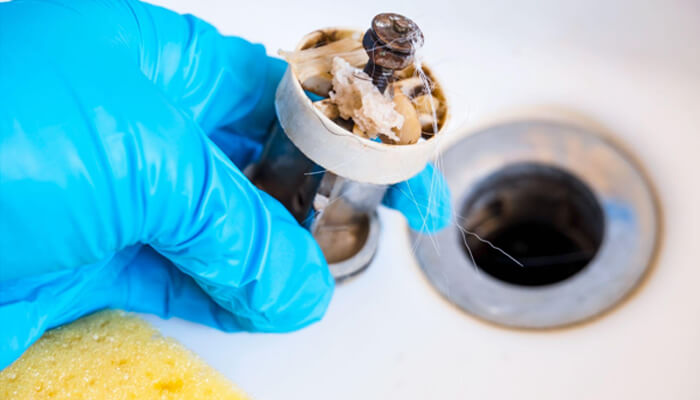
Neither snaking nor hydro jetting is universally better. They solve different problems. Knowing the difference and asking the right questions before authorizing a service call puts you in a much better position as a homeowner.
