



The automotive industry has become one of the most data-driven sectors of the digital economy. Modern vehicles generate enormous amounts of information throughout their lifecycle, while manufacturers, insurers, dealerships, fleet operators, and consumers increasingly rely on digital tools such as VIN lookup technology to make informed decisions. Artificial intelligence, cloud computing, connected vehicles, and predictive analytics are reshaping how people buy, maintain, and evaluate automobiles.
One of the most practical examples of this transformation is the Vehicle Identification Number (VIN). What was once viewed simply as a manufacturing identifier has evolved into a key that connects a wide range of publicly available vehicle information. Today, VIN lookup tools help organize data that supports purchasing decisions, ownership verification, maintenance planning, and automotive research.
As digital ecosystems continue to expand, VIN-based research illustrates how structured information can improve transparency and reduce uncertainty across the automotive market.
Why the VIN Matters in a Digital World
Every vehicle manufactured for road use carries a unique Vehicle Identification Number. This identifier distinguishes one automobile from another and serves as a reference point for numerous records created throughout the vehicle’s lifetime.
Depending on publicly available information and applicable regulations, a VIN may be associated with records relating to:
- Vehicle specifications
- Manufacturer details
- Model year
- Engine type
- Recall information
- Service history
- Registration events
- Salvage records
Rather than relying solely on advertisements or verbal descriptions, buyers and researchers can use VIN-based information to better understand a vehicle before making important decisions.
The Role of Data Analytics in Automotive Research
The increasing availability of digital records has changed the way people evaluate vehicles.
Instead of depending entirely on manual inspections, researchers often combine multiple sources of information to create a broader picture of a vehicle’s history.
Common information sources include:
| Information Source | Purpose |
| Manufacturer databases | Confirm vehicle specifications |
| Recall records | Identify safety-related updates |
| Public registration records | Review historical events where available |
| Service documentation | Understand maintenance history |
| Insurance information | Provide additional context where publicly available |
| VIN-based research tools | Organize publicly accessible vehicle data |
This layered approach improves confidence while reducing the likelihood of overlooking important details.
Technology Is Making Vehicle Research More Accessible
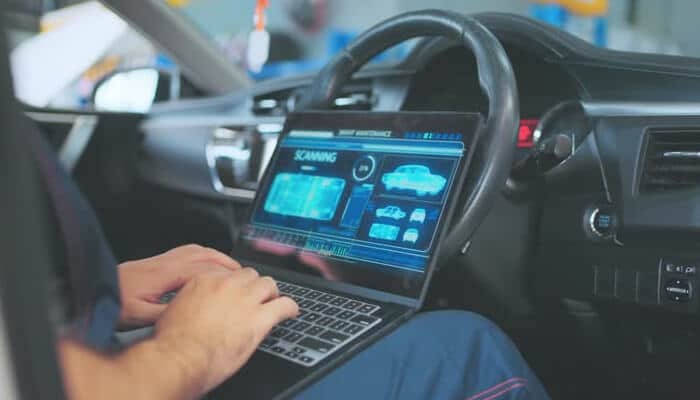
Cloud computing and digital infrastructure have dramatically increased access to automotive information.
Today, consumers and businesses can research vehicles from virtually anywhere using internet-connected devices.
This accessibility benefits many groups, including:
Individual Buyers
People purchasing used vehicles can review available information before committing to a purchase.
Automotive Businesses
Dealerships, fleet operators, and leasing companies often evaluate multiple vehicles efficiently using digital research tools.
Insurance and Financial Services
Organizations involved in vehicle financing or insurance may use publicly available information to support broader evaluation processes alongside their internal systems.
Digital technology has streamlined these workflows, making research faster and more consistent than traditional paper-based methods.
Artificial Intelligence and the Future of Vehicle Intelligence
Artificial intelligence is changing the way automotive information is processed.
Modern AI systems can identify patterns across large datasets, helping organizations detect anomalies, predict maintenance needs, and improve operational efficiency.
Future developments may include:
- Smarter predictive maintenance.
- Enhanced fraud detection.
- Automated vehicle history analysis.
- Improved fleet optimization.
- Faster document verification.
- Better integration between connected vehicles and digital records.
Although AI can accelerate analysis, reliable decision-making still depends on high-quality data and responsible human oversight.
Where ClarityCheck Fits
As digital research tools continue to evolve, specialized platforms help users organize publicly available information connected to different types of identifiers.
ClarityCheck is one example of a service that supports searches using VIN numbers, phone numbers, email addresses, photographs, people, addresses, and other publicly searchable data.
For users performing a car vin number lookup, ClarityCheck provides a convenient starting point for exploring publicly available vehicle information before consulting manufacturer resources, official records, or conducting a physical inspection.
Like other digital research platforms, it delivers the greatest value when used as part of a comprehensive evaluation process rather than as the sole basis for making purchasing decisions.
Best Practices for VIN-Based Research
Digital tools are most effective when combined with thoughtful verification.
Compare Multiple Sources
Whenever possible, cross-reference VIN information with manufacturer documentation, official recall databases, maintenance records, and seller disclosures.
Inspect the Vehicle
Digital research provides valuable context, but a professional mechanical inspection remains an important part of evaluating a used vehicle.
Verify Before You Buy
No single source captures every aspect of a vehicle’s history. Reviewing multiple independent resources helps buyers make more informed decisions while reducing unnecessary risks.
Data-Driven Decisions Will Shape the Future of Mobility
The automotive industry continues to embrace digital transformation through connected technologies, artificial intelligence, cloud computing, and advanced analytics. These innovations are making vehicle research more transparent, accessible, and efficient for consumers and businesses alike.
VIN lookup technology demonstrates how a single identifier can connect a wide range of publicly available information, helping users better understand a vehicle’s background before making important decisions. As digital ecosystems mature, the value of organized, searchable information will continue to grow.
Services such as ClarityCheck illustrate this broader shift toward smarter information management by simplifying access to publicly available VIN-related data. Combined with official records, professional inspections, and responsible verification, these technologies support more confident decisions in an increasingly connected automotive marketplace.
