



Diamond jewellery is often sentimental, but it can also be a practical source of funds when you need cash. The difference between a rushed sale and a well-prepared one can be significant.
Preparation matters because buyers price risk as well as materials. If your documents are missing, photos are unclear, or the sales route is poorly matched to your timeframe, you may accept less than the piece could reasonably achieve.
This guide explains how to make diamond jewellery sell-ready, choose a route that fits your needs, compare offers fairly, and handle the practical details safely. The aim is simple: a smoother sale and stronger net proceeds.
Think About Liquidity Before You Sell
When advisers talk about liquid assets, they mean assets that can be converted into cash quickly without a steep discount. Savings are highly liquid. Property is not, because a sale can take months.
Diamond jewellery sits in the middle. You may be able to sell within days if you accept an immediate buyout offer, or you can wait longer and try for a higher price through consignment, auction, or private sale. Knowing where your piece sits on that spectrum will help you choose the right approach.
Your Trade-off Triangle: Speed, Certainty, and Net Proceeds
Every sale involves a trade-off between three factors:
- Speed: how quickly you need the money.
- Certainty: how confident you are that the sale will close.
- Net proceeds: the amount that reaches your account after costs.
If an unexpected bill is due soon, speed and certainty may matter more than getting the highest possible price. If you can wait, consignment or a private buyer may produce a better net figure. Keep this balance in mind as you compare options.
What Buyers Actually Pay For
Buyers assess the stone’s size and quality, the weight and purity of the metal, the condition of the setting, any recognised brand name, current demand, and the paperwork you can provide. Good documentation lowers uncertainty. Lower uncertainty often leads to a more confident offer.
Get It Sell-Ready: Documents, Condition, and Photos
Gather Your Documents
Start with the original receipt, any brand certificate or warranty card, and any diamond grading report from a recognised laboratory such as GIA. A GIA Diamond Grading Report records the 4Cs: cut, colour, clarity, and carat. It may also include a clarity diagram that shows the stone’s individual characteristics.
A grading report is not the same as an appraisal. A grading report describes the diamond’s qualities. An appraisal estimates value, usually for insurance. Buyers generally place more weight on the grading report because it supports their own assessment of the stone.
Clean and Check
Clean the piece gently with warm water and mild soap, or ask a jeweller to do it if the setting is delicate. Check for loose prongs, chips, worn claws, or visible scratches, and note any issues honestly. Clear photos should show the front, back, side profile, hallmarks, serial numbers, and any branding.
In the UK, items sold as gold, silver, platinum, or palladium above minimum weights must carry a legally recognised hallmark. A clear hallmark photo can save time during valuation.
Decide on Grading Now or Later
If your diamond does not already have a lab report, consider whether grading is worth arranging before you sell. This may involve removing the stone from its setting, which adds cost and a small risk. For larger stones, especially around one carat or above, the possible uplift can justify the effort. For smaller or heavily worn pieces, it may not.
What Drives Price in Plain English
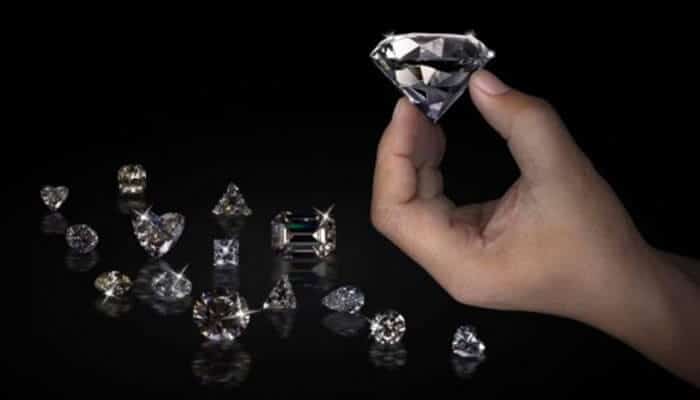
Diamond prices are shaped by a mix of objective features and market demand. The basics below will help you understand why two offers for similar-looking pieces can differ.
The 4Cs, Briefly
- Cut affects how bright and lively a diamond looks.
- Colour grades run from D, which is colourless, to Z, which shows a noticeable tint.
- Clarity measures internal inclusions and surface blemishes.
- Carat is weight, and price per carat can jump at common thresholds, such as just above one carat or two carats.
Size Thresholds, Condition, and Fluorescence
A 1.01-carat stone can sell for noticeably more per carat than a 0.98-carat stone because it crosses the one-carat mark. Condition matters too. Scratched metal, worn claws, or a chipped girdle can reduce an offer. Strong fluorescence may also affect perceived value, depending on the stone and the buyer.
The Rapaport Diamond Price List is an international benchmark that many dealers use as a starting point in the polished diamond trade. You do not need to subscribe to it, but knowing it exists helps explain why professional buyers may quote figures within a similar range.
Branded Pieces and Complete Sets
For jewellery from a recognised house such as Cartier or Tiffany, original boxes, papers, and receipts can support authenticity and improve buyer confidence. For non-branded jewellery, the diamond’s quality, metal value, condition, and lab report usually matter most.
Lab-Grown vs Natural Diamonds
Lab-grown diamonds can be attractive for new purchases, but they usually have weaker resale prospects than natural diamonds. Production costs have fallen, supply has grown, and the second-hand market is still limited. If you are selling a natural diamond, make that clear in your documentation.
Pick the Right Selling Route
There are four common routes. The best choice depends on how quickly you need the money, how much effort you want to put in, and how much uncertainty you can accept.
- Immediate buyout from a jeweller or online buyer: This is usually the fastest and most certain option. You receive a firm offer and, if you accept, payment within a short timeframe. The trade-off is that the offer may be lower than routes that require waiting.
- Consignment with a jeweller: The jeweller sells the piece on your behalf. This can produce higher proceeds, but there is no guaranteed sale and you are paid only after a buyer is found.
- Auction or marketplace: Competitive bidding can help when demand is strong, but fees apply and final prices vary. Timelines are usually measured in weeks rather than days.
- Private sale: A direct buyer may offer the highest net return, but you must manage trust, payment, safety, and documentation yourself.
Your cash-flow needs should guide the decision. If you are a business owner weighing the timing of incoming funds, it may help to view the sale alongside broader financial planning, especially where jewellery is part of a wider mix and the value of assets is not immediately obvious.
Make Offers Comparable
A strong-looking offer is not always the best offer. Compare each proposal using the same details so you can judge what you will actually receive and when.
Request Written Offers with Clear Details
Ask each prospective buyer for a written offer that explains the stone specifications used, whether the price is for the loose stone or the mounted piece, any fees or commissions, return or consignment terms, and the expected payment timeline. Without these details, comparison is guesswork.
Calculate Net Proceeds
The headline number is not the number that matters most. Subtract fees, commissions, shipping, insurance, and any resetting or grading costs. The amount left is your true net. A slightly lower offer with no commission and fast payment may beat a higher headline price with a 20% fee and a two-month wait.
Ask About Report Preferences and Brand Paperwork
Some buyers prefer specific lab reports, with GIA often being the most recognised. Others may adjust their offer if you have original brand paperwork. Asking early helps you understand each offer in context and avoid delays later.
Shipping, Safety, and Simple Compliance
Once you have chosen a route, protect the item and the paper trail. Small practical steps can prevent costly misunderstandings.
Chain of Custody
If you send a piece by post, use tamper-evident packaging and an insured, tracked courier service. Photograph the contents before sealing the parcel. Many professional buyers provide prepaid, insured shipping kits, which can simplify the process.
ID Checks Are Normal
Professional buyers in the UK will usually ask for identification. This is standard practice. Under UK Money Laundering Regulations, businesses that trade in high-value goods and handle certain cash payments have customer due-diligence obligations. A reputable buyer should explain what they need and why.
Keep Copies of Everything
Keep shipping receipts, offer letters, appraisals, grading reports, and relevant messages. If a question or dispute arises later, your records are the best protection.
Inside a Buyer Workflow: What to Expect in London or Online
Most professional buyers follow a similar process. You begin with an online form, phone enquiry, or appointment request, often sharing photos and any grading reports you already have. The buyer may give a provisional price range based on that information.
The piece is then assessed physically, either at an in-person appointment or after secure courier delivery. A gemmologist examines the stone and metal, confirms the details, and issues a formal offer. If you accept, payment is usually made by bank transfer within a short period. If you decline, the piece should be returned using insured delivery.
If you prefer a London or online buyer, reviewing a typical process for the resale of diamond jewellery can help you understand how valuations, secure courier services, in-store appraisals, payment timing, and consignment options usually work.
When Waiting Might Be Smarter
Selling quickly is not always the best choice. It may be worth pausing if you are waiting for a lab report, trying to find original brand packaging, or noticing weak demand for your type of stone.
While you wait, store the piece safely in a home safe or bank safety deposit box. Keep all documents in one folder and set a reminder to reassess in a month or two. If the item is secure and insured, patience can be worthwhile.
Conclusion
Maximising resale value comes down to preparation and comparison. Gather documents, clean and photograph the piece, choose a selling route that matches your priorities, and request written offers with clear terms.
Then compare net proceeds rather than headline prices, and protect yourself with insured shipping, sensible ID checks, and good records. With a clear plan, diamond jewellery can be converted into cash more confidently and with less value lost along the way.
FAQs
These brief answers cover the questions sellers most often ask before seeking valuations.
1. Is a GIA report necessary to sell a diamond in the UK?
It is not strictly necessary, but it can help. A GIA grading report gives buyers an independent assessment of the stone’s 4Cs. Without one, buyers rely on their own evaluation and may build in a larger margin for uncertainty. For diamonds around one carat or above, a report often improves offers enough to justify the cost.
2. Do lab-grown stones resell for less than natural ones?
Generally, yes. Lab-grown diamonds have become more widely available, and resale demand remains limited. Natural diamonds have a more established secondary market, although the exact resale value still depends on quality, documentation, and current demand.
3. Should I remove a diamond from its setting before selling?
It depends on the piece. For branded jewellery, keeping the stone mounted and selling it with original packaging may produce a better result. For non-branded pieces, removing the stone for independent grading can sometimes improve the offer, especially for larger diamonds. Ask a trusted jeweller whether the likely uplift is worth the cost and risk.
4. What documents most help me get strong offers?
The most useful document is a grading report from a recognised lab such as GIA. Original purchase receipts, brand certificates, warranty cards, and clear photos of hallmarks also help. The more reliable information a buyer has, the less uncertainty they need to price into the offer.
