
The Link Between Response Time & Balance
Response time is the speed at which a person corrects their posture when balance is lost. The chance of a fall is lower when the body detects instability and reacts quickly – this link is especially important on slippery floors, stairs or paths with many objects.
Delays in movement are often the result of low muscle strength, slow nerve signals, tiredness or a lack of focus. Like the use of a phone while walking, are factors that lower awareness but also slow down reactions – these delays make a person more likely to stumble before they are able to correct their position.
Frequent Causes of Slow Responses
Reflexes and coordination are often slower when a person is not physically active. Stiffness in the joints and poor posture are also factors that limit the speed of movement, particularly during standing or turning.
Low energy as well as changes in vision or hearing are other factors that affect how quickly a person responds to hazards. When these factors are present together, the body is slower to recognize danger and begin a movement, which increases the risk of a fall.
Training for Faster Responses
Improvements in response time are possible through regular movement that trains the mind and body. Coordination is better when a person performs exercises that involve shifting weight, stepping in various directions or responding to visual signals.
Activities that require both attention or movement are helpful. As an example, the brain is able to process movement patterns more quickly if a person practices changing directions while walking indoors – this practice makes stability better during daily life.
Movement Drills for Awareness
Drills like stepping over small objects or changing walking speeds are useful for training the body to adjust quickly – these exercises are helpful for building awareness of where the feet are placed. They also encourage fast corrections when balance is slightly uneven.
Confidence is higher when a person practices the movements in a safe area. Over time, the body is able to react naturally without the need for conscious thought.
Daily Balance Practice
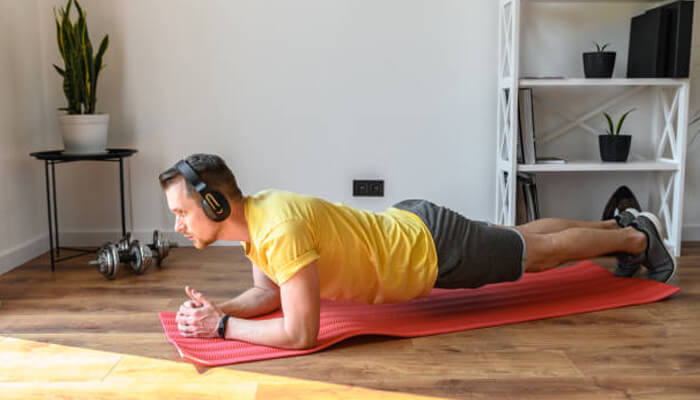
Short daily routines are more effective for improving response time than longer sessions that happen less often. Stabilizing muscles are stronger when a person stands on one foot while holding a stable surface or shifts their weight from side to side.
Regular repetition makes the nervous system more efficient at detecting an imbalance – this efficiency leads to faster responses when the body shifts unexpectedly during normal activities.
Environmental Awareness & Safety Habits
Awareness of surroundings is an effective way to improve response time. The need for sudden reactions is lower when pathways are clear, lighting is bright and rugs or obstacles are absent.
Scanning the path ahead and avoiding multiple tasks while moving are habits that give the brain more time to prepare for changes in the ground – these habits make it less likely that a hazard will surprise a person.
Reducing Hazards in Living Areas
Frequent movements next to stretching are less necessary when items are within reach in organized areas – this organization is helpful for preventing unstable positions that require fast corrections.
Supportive equipment is also useful for making movement safer and more predictable in the home. Grab bars or medical lift chairs are devices that assist with transitions and lower the need for fast movements when a person sits or stands.
Strength & Mobility Support
Strong muscles are necessary for the body to respond quickly to balance changes. Leg plus core strength are particularly important for stabilizing the body and preventing slow reactions to slips.
Regular strength exercises are helpful for recovering from small balance disruptions – these exercises make a person more confident while walking, turning and standing.
Lower Body Stability
Control during movement is better when a person focuses on exercises for the hips, thighs but also calves. Stronger muscles in the lower body allow for faster corrections on unstable ground.
Endurance is also higher with consistent practice, which helps keep response speeds fast even when a person is tired. Because fatigue is a cause of slow responses, strength is a support for both stability and quick recovery.
Using Supportive Equipment for Safety
Assistive tools are helpful for reducing physical demands, which allows more time for a person to control their response. Support rails, walkers and stable seating are all contributors to safer transitions.
Medical lift chairs are supportive options that provide steady assistance in situations where sitting or standing is difficult – these chairs lower strain as well as allow the body to move at a pace that is safe and controlled.
Daily Habits for Faster Reflexes
Reflexes are sharper when a person is physically active, hydrated and rested. Nerve signals are more efficient when the body is healthy, which improves response speed during movement challenges.
Stiffness is a factor that slows response time – avoiding long periods of sitting is important. Gentle movement throughout the day is a way to keep the body ready to react quickly.
Consistency in Activity
Daily movement is one of the most effective ways to improve response time over a long period. The brain or body are more connected and responsive when a person is active every day.
Consistent efforts lead to reactions that are smoother and faster – these improvements lower the chance of trips next to falls during everyday activities.