



A shower head that won’t stop dripping is more than a minor annoyance. Even a slow leak can waste water, increase utility bills, leave stubborn mineral stains and, in some cases, signal a worn valve or damaged seal that needs attention. The good news is that how to fix leaking shower head problems is often much easier than most homeowners expect.
Many homeowners assume a leaking shower head means the entire fixture needs to be replaced. In reality, most leaks are caused by inexpensive components such as worn washers, damaged O-rings, loose threaded connections, or mineral buildup. Identifying the exact source of the leak before buying replacement parts often leads to a faster, less expensive repair.
Most leaks come from worn washers, loose connections, old plumber’s tape or mineral buildup, and many of these issues can be repaired in less than 30 minutes with basic household tools. Before replacing expensive parts or calling a plumber, it’s worth identifying the exact source of the leak.
This guide walks you through how to fix leaking shower head issues step by step, explains the most common causes, shows how to diagnose the problem correctly and helps you choose the right repair for a long-lasting solution.
How to Tell Whether the Leak Is Coming From the Shower Head or the Shower Valve
Replacing the wrong part is one of the most common DIY mistakes. Before you start how to fix leaking shower head problems, identify exactly where the water is escaping. A leak that looks like it comes from the shower head may actually be caused by a worn shower valve hidden behind the wall.
Use the table below to match the symptoms with the most likely cause before beginning any repair.
| Symptom | Most Likely Cause |
|---|---|
| Water leaks from the shower head only while the shower is running | Loose shower head connection, damaged washer, worn O-ring or old plumber’s tape |
| Shower head continues dripping long after the water is turned off | Worn shower valve cartridge or internal valve seal |
| Water leaks around the shower arm where it enters the wall | Loose shower arm connection or damaged thread seal |
| Water leaks behind the trim plate or inside the wall | Faulty valve body or hidden plumbing leak |
| Water leaks from the handheld shower hose | Cracked hose, worn hose washer or loose fitting |
Taking a few minutes to diagnose the leak can save unnecessary repairs, replacement parts and extra expense. Once you’ve identified the source, how to fix leaking shower head repairs becomes much simpler because you’ll know whether the problem is at the shower head connection or inside the shower valve.
Common Reasons a Shower Head Leaks
A leaking shower head rarely happens without a reason. Before you start how to fix leaking shower head repairs, identify what’s causing the leak so you can replace only the parts that actually need attention.
The most common causes include:
- Loose shower head connection
- Worn rubber washer
- Damaged O-ring
- Old or missing plumber’s tape
- Mineral buildup inside the shower head
- Cracked shower head body
- Worn shower valve cartridge
- Faulty faucet handle parts
- High water pressure
- Corrosion around threads or seals
A leak that appears only while the shower is running usually points to the shower head connection or sealing components. When water continues dripping long after the shower is turned off, how to fix leaking shower head problems often involves inspecting the shower valve or cartridge instead.
Can You Fix a Leaking Shower Head Without Calling a Plumber?
Good news—most homeowners can repair a leaking shower head without professional help. Loose fittings, worn washers, mineral deposits and old plumber’s tape are among the easiest plumbing problems to fix with a few basic tools.
You can usually complete how to fix leaking shower head repairs in less than 30 minutes if:
- The leak is coming from the shower head connection.
- The rubber washer only needs replacing.
- Mineral deposits are blocking the spray nozzles.
- Fresh plumber’s tape will reseal the threaded connection.
If the leak continues after these simple repairs or water is coming from behind the wall, it’s best to contact a licensed plumber to prevent hidden water damage and more expensive repairs.
Before You Start: Check Your Shower Head Type
Using the wrong repair method can waste both time and money. Before you begin how to fix leaking shower head repairs, identify the type of shower head installed in your bathroom. Different models use different connections, seals and replacement parts, so knowing your shower type helps you choose the correct repair from the start.
| Shower Head Type | Typical Leak Location |
|---|---|
| Fixed wall-mounted | Thread connection or cartridge |
| Handheld | Hose connection or hose washer |
| Rain shower | Shower arm or valve |
| Dual shower system | Diverter valve |
| High-pressure shower head | Internal seal or O-ring |
Choosing the correct shower head type before starting the repair reduces guesswork and makes replacing parts much easier.
Leaking Shower Head Repair at a Glance
If you need the fastest solution, use this quick reference before starting any repairs.
| Problem | First Solution |
|---|---|
| Leak at the threaded connection | Replace the plumber’s tape and tighten the connection. |
| Dripping after the shower is turned off | Inspect the shower valve cartridge. |
| Uneven spray pattern | Clean mineral deposits with white vinegar. |
| Leak from a handheld hose | Replace the hose washer or hose if damaged. |
| Water leaking inside the wall | Stop DIY repairs and contact a licensed plumber. |
Starting with the simplest repair often saves both time and money while avoiding unnecessary replacement parts.
Tools and Materials You May Need
Having the right tools ready before you begin how to fix leaking shower head repairs makes the job quicker and helps prevent damage to bathroom fixtures.
You’ll typically need:
- Adjustable wrench
- Soft cloth or towel
- Plumber’s tape (PTFE tape)
- Replacement rubber washer
- Small brush or old toothbrush
- White vinegar
- Bowl or plastic bag
- Pliers
- Screwdriver
- Replacement shower cartridge (if required)
- Bucket or towel to catch water
Pro Tip: Wrap a soft cloth around chrome or brushed-metal fittings before using a wrench to help prevent scratches and surface damage.
Take Photos Before Disassembly
A simple photo can save a lot of frustration during reassembly. Before taking apart any components while performing how to fix leaking shower head repairs, use your phone to capture the position of washers, O-rings, cartridges and other small parts.
These reference photos make reassembly much easier, reduce installation mistakes and are especially helpful because different manufacturers often use different cartridge and valve designs.
Safety Step: Turn Off Water Before Repair
For a simple shower head removal, turning off the shower handle is usually enough. But if you are opening the faucet handle or replacing a cartridge, turn off the bathroom water supply or main water supply first.
Also cover the drain with a towel so small screws, washers, or clips do not fall into the pipe.
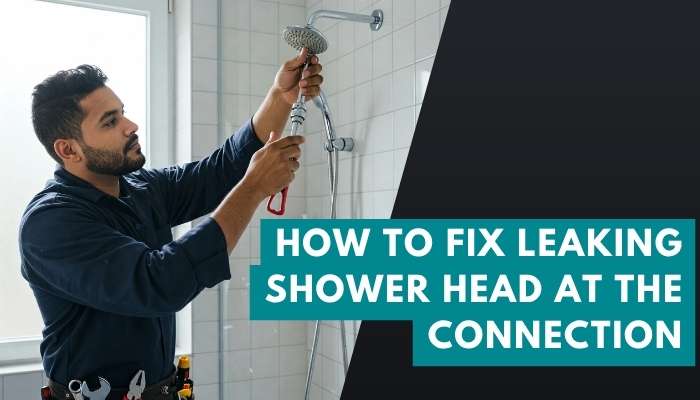
How to Fix Leaking Shower Head at the Connection
Most shower head leaks happen at the threaded connection rather than inside the plumbing. Before starting how to fix leaking shower head repairs, check whether water is escaping where the shower head connects to the shower arm. A loose seal, worn washer or damaged thread tape is often the cause and can usually be fixed in just a few minutes.
Step 1: Remove the Shower Head
Hold the shower arm firmly with one hand and turn the shower head counterclockwise with the other. If it’s difficult to loosen, use an adjustable wrench with a soft cloth wrapped around the fitting to protect the finish.
Avoid twisting the shower arm excessively, as it is connected to plumbing inside the wall.
Step 2: Clean the Threads
Remove any old plumber’s tape, dirt, rust and mineral deposits from the shower arm threads using a soft brush or cloth.
Clean threads create a better seal and improve the success of how to fix leaking shower head repairs.
Step 3: Check the Rubber Washer
Inspect the rubber washer inside the shower head connector. Replace it if it is cracked, flattened, brittle, missing or damaged.
A new washer is one of the quickest and most inexpensive fixes for a leaking shower head.
Step 4: Apply Plumber’s Tape
Wrap fresh plumber’s tape around the shower arm threads two or three times in a clockwise direction. Press the tape gently into the threads to create an even seal.
Avoid using excessive tape because it can prevent the shower head from tightening correctly.
Step 5: Reinstall the Shower Head
Screw the shower head back onto the shower arm by hand until snug. Tighten slightly with a wrench only if necessary, taking care not to overtighten the fitting.
Turn the water back on and inspect the connection carefully. Completing how to fix leaking shower head repairs correctly at this stage often eliminates the leak without replacing additional parts.
How to Fix a Shower Head That Drips When Turned Off
A shower head that continues dripping after the water is turned off usually points to a different problem. In many cases, how to fix leaking shower head issues requires inspecting the shower valve rather than the shower head itself because worn internal seals can allow water to pass through even when the handle is fully closed.
Why the Shower Keeps Dripping
The shower valve controls both water flow and temperature. When the cartridge, valve seat or internal seals become worn, small amounts of water continue passing through the valve and eventually drip from the shower head.
Common signs of a faulty shower valve include:
- Shower head continues dripping long after the handle is turned off.
- Water drips continuously for hours.
- Shower handle feels loose or difficult to turn.
- Hot or cold water does not shut off completely.
- The leak stops only after turning off the home’s main water supply.
These symptoms usually indicate that replacing the shower valve cartridge or internal seal is more effective than replacing the shower head itself.
Test the Shower Arm Before Replacing Parts
Replacing parts too early can waste both time and money. Before starting how to fix leaking shower head repairs, perform this quick diagnostic test to confirm whether the leak is coming from the shower head or from the plumbing hidden behind the wall.
Follow These Steps
- Turn off the shower.
- Remove the shower head.
- Turn the water on for a few seconds.
- Turn the shower off again.
- Watch the exposed shower arm for several minutes.
If water continues dripping directly from the shower arm after the shower has been turned off, the shower head is not the source of the leak. In most cases, how to fix leaking shower head problems at this stage involves replacing a worn shower valve cartridge, valve seat or internal seal instead of the shower head.
This simple test helps avoid unnecessary repairs, reduces replacement costs and makes how to fix leaking shower head issues much easier by confirming the exact source of the leak before you buy new parts.
How to Identify Your Shower Valve Brand
Choosing the correct replacement cartridge starts with identifying the valve manufacturer. During how to fix leaking shower head repairs, installing the wrong cartridge can prevent the valve from sealing properly and may not solve the leak.
Common shower valve brands include:
- Delta
- Moen
- Kohler
- American Standard
- Pfister
- Grohe
- Hansgrohe
The easiest way to identify your valve is to remove the shower handle and compare the existing cartridge with the manufacturer’s replacement guide. If you’re unsure, take the old cartridge to a hardware store to match it with the correct replacement. Using the right part the first time saves both time and unnecessary expense.
How to Replace a Shower Cartridge
A worn shower cartridge is one of the most common reasons a shower head keeps dripping after the water has been turned off. Before attempting how to fix leaking shower head problems by replacing the shower head, inspect the cartridge because it may be the actual source of the leak.
Step 1: Turn Off the Water Supply
Turn off the water supply before removing the shower handle. Open the shower briefly to confirm that the water is completely off.
Step 2: Remove the Handle
Use a screwdriver or Allen key to remove the shower handle. Some models have a decorative cap that hides the mounting screw.
Step 3: Remove the Trim Plate
Carefully remove the trim plate and place all screws in a safe location for reassembly.
Step 4: Remove the Cartridge
Take out the retaining clip if one is installed, then gently pull the cartridge straight out using pliers or a cartridge puller if necessary.
Matching the old cartridge with a new replacement is an important part of how to fix leaking shower head repairs because different manufacturers use different cartridge designs.
Step 5: Install the New Cartridge
Insert the replacement cartridge in the same position as the original, reinstall the retaining clip, trim plate and handle, then restore the water supply.
Turn the shower on and off several times to confirm the leak has stopped before completing how to fix leaking shower head repairs.
How to Clean a Clogged Shower Head
Mineral deposits are another common reason a shower head leaks or sprays unevenly. Cleaning the shower head regularly can improve water flow and prevent future how to fix leaking shower head repairs caused by hard-water buildup.
Vinegar Cleaning Method
Remove the shower head and place it in a bowl filled with white vinegar for several hours. If the shower head cannot be removed easily, fill a plastic bag with vinegar and secure it around the shower head using a rubber band.
After soaking, scrub the spray nozzles with a soft toothbrush, rinse thoroughly with clean water and reinstall the shower head.
Check the Shower Head Filter Screen and Flow Restrictor
A clogged filter screen or flow restrictor can reduce water pressure and contribute to uneven spray patterns. During how to fix leaking shower head repairs, inspect these components because trapped sediment and mineral deposits often restrict normal water flow.
To clean the filter screen:
- Remove the shower head.
- Locate the small mesh filter inside the inlet.
- Carefully remove it using needle-nose pliers if required.
- Rinse the screen under clean running water.
- Soak stubborn mineral deposits in white vinegar.
- Reinstall the filter before reconnecting the shower head.
Avoid removing the flow restrictor permanently unless the manufacturer specifically recommends doing so, as it helps maintain water efficiency and may be required for warranty coverage.
How to Fix a Handheld Shower Head Leak
Leaks from a handheld shower head often come from the flexible hose rather than the shower head itself. Before attempting how to fix leaking shower head repairs, inspect every connection carefully because a worn washer or loose fitting is usually the real cause.
Check these areas:
- Connection between the hose and shower head
- Connection between the hose and wall bracket
- Rubber washers inside both hose ends
- Cracks or splits in the hose
- Loose threaded fittings
Replace damaged washers and apply fresh plumber’s tape where required. If the hose is cracked or leaking along its length, replace the entire hose instead of attempting a temporary repair.
How to Fix a Rain Shower Head Leak
Rain shower heads often retain more water after use because of their larger size. Before starting how to fix leaking shower head repairs, allow a few minutes for trapped water to drain naturally, as brief dripping is completely normal.
If the leak continues for an extended period, inspect the following:
- Loose shower head connection
- Worn rubber washer
- Mineral buildup inside the spray plate
- Faulty shower valve cartridge
- Incorrect installation angle
Clean the shower head, replace worn sealing components and inspect the shower valve if the leak continues after these checks.
When Dripping Is Normal
A few drops after turning off the shower do not always indicate a plumbing problem. During how to fix leaking shower head inspections, remember that many shower heads release trapped water naturally once the shower has been switched off.
Normal dripping usually:
- Stops within a few minutes
- Happens only after showering
- Does not continue throughout the day
- Does not occur after the shower has been unused for several hours
If the shower head continues dripping long after the water has fully drained, further inspection is needed.
Quick Troubleshooting Table
Before replacing parts, compare the symptoms below. This simple checklist can save time and make how to fix leaking shower head repairs much more accurate.
| Problem | Likely Cause | Best Fix |
|---|---|---|
| Leak at the shower head connection | Loose seal or damaged plumber’s tape | Reapply plumber’s tape |
| Shower head drips after being turned off | Worn cartridge or shower valve | Replace the cartridge |
| Water sprays sideways | Mineral buildup in spray holes | Clean with white vinegar |
| Leak from handheld shower hose | Worn washer or cracked hose | Replace the washer or hose |
| Drips for only a few minutes | Trapped water draining | Usually normal |
| Leak after installing a new shower head | Missing washer or poor thread seal | Check the washer and plumber’s tape |
| Handle will not shut off completely | Worn internal valve component | Repair or replace the valve |
Use this table as a quick reference before buying replacement parts. Identifying the correct cause first makes how to fix leaking shower head repairs faster, easier and more cost-effective.
Mistakes to Avoid When Fixing a Leaking Shower Head
Small mistakes can turn a simple repair into a bigger plumbing problem. Before starting how to fix leaking shower head repairs, avoid these common DIY errors that often cause leaks to return.
- Overtightening the shower head
- Forgetting to replace the rubber washer
- Wrapping plumber’s tape in the wrong direction
- Using excessive plumber’s tape
- Scratching the finish with a wrench
- Ignoring a leaking shower valve
- Replacing the shower head when the cartridge is actually faulty
- Using harsh chemicals that damage seals or finishes
Working carefully and replacing only the worn parts usually produces better results than applying extra force.
Common Repair Time by Type of Leak
Most how to fix leaking shower head repairs can be completed in less than an hour with basic household tools. Use the table below to estimate how long each repair typically takes.
| Repair | Estimated DIY Time |
|---|---|
| Replace plumber’s tape | 10 minutes |
| Replace rubber washer | 15 minutes |
| Clean mineral deposits | 30 minutes |
| Replace shower hose | 15 minutes |
| Replace shower cartridge | 30–60 minutes |
| Replace shower head | 10 minutes |
Repair times may vary depending on the shower model and how easily the parts can be removed.
How to Prevent Future Shower Head Leaks
A few minutes of routine maintenance can prevent many future plumbing problems. After completing how to fix leaking shower head repairs, these simple habits can help keep your shower working properly.
- Clean the shower head every few months.
- Replace worn washers before they fail completely.
- Avoid overtightening threaded fittings.
- Apply plumber’s tape correctly during installation.
- Repair small drips as soon as they appear.
- Check water pressure if leaks return frequently.
- Choose a quality shower head with replaceable parts.
If you live in a hard-water area, cleaning the shower head with white vinegar regularly can help reduce mineral buildup and extend its lifespan.
How Much Water Can a Leaking Shower Head Waste?
A slow drip may not seem serious, but it can waste far more water than most homeowners expect. Fixing how to fix leaking shower head issues early helps reduce water waste and prevents higher utility bills.
According to the U.S. Environmental Protection Agency (EPA), a shower head leaking at approximately 10 drips per minute can waste more than 500 gallons (about 1,900 litres) of water each year.
Besides increasing water bills, continuous leaks can also cause:
- Mineral deposits on bathroom fixtures
- Mold and mildew growth
- Water stains
- Higher hot water energy costs
- Premature wear on plumbing components
Repairing a leak early is usually much less expensive than dealing with long-term water damage.
When Should You Replace the Shower Head?
Not every leaking shower head needs to be replaced. Before deciding on a replacement, complete how to fix leaking shower head troubleshooting to determine whether the leak is caused by a worn washer, damaged cartridge or simple mineral buildup.
Replace the shower head if:
- The metal or plastic body is cracked.
- The threads are stripped or damaged.
- Spray holes remain clogged after thorough cleaning.
- Water leaks from multiple locations.
- New washers and seals do not solve the problem.
- You want a newer water-efficient model.
Replacing a badly worn shower head is often more cost-effective than repeatedly repairing damaged components.
Repair or Replace? A Simple Rule
Choosing between a repair and a replacement can save both time and money. When how to fix leaking shower head problems are caused by washers, O-rings, plumber’s tape or mineral deposits, repairing the existing shower head is usually the best option.
If the shower head body is cracked, heavily corroded or continues leaking after replacing the sealing components, installing a new shower head is often the more reliable long-term solution.
Signs Your Shower Valve Needs Professional Repair
Some leaks point to a problem that goes beyond the shower head. Before continuing how to fix leaking shower head repairs, check whether the shower valve itself is showing signs of failure, as these issues often require specialized tools and replacement parts.
You should contact a licensed plumber if you notice:
- Water leaking behind the shower wall
- Constant dripping after replacing the shower head and washer
- Difficulty turning the shower handle
- Sudden changes in water temperature
- Water pressure dropping throughout the house
- Visible corrosion inside the valve assembly
- Water damage on nearby walls or ceilings
These warning signs often indicate problems inside the shower valve, water supply lines or concealed plumbing that should not be ignored.
When to Call a Plumber
Not every leak can be repaired with basic tools. If how to fix leaking shower head repairs do not stop the leak after replacing washers, applying plumber’s tape and cleaning the shower head, professional diagnosis is usually the safest option.
Call a plumber if you notice:
- Water leaking from inside the wall
- A shower valve that will not shut off completely
- A cartridge that cannot be removed safely
- Persistent dripping after multiple repairs
- Visible damage to plumbing connections
Professional repairs help prevent hidden water damage and reduce the risk of more expensive plumbing repairs later.
DIY Repair or Replace? Quick Decision Guide
Before buying replacement parts, compare the problem with the solutions below. This quick guide makes how to fix leaking shower head decisions faster and helps avoid unnecessary repairs.
| Situation | Best Option |
|---|---|
| Loose shower head | Repair |
| Worn rubber washer | Repair |
| Mineral buildup | Clean |
| Worn shower cartridge | Replace cartridge |
| Cracked shower head | Replace |
| Corroded shower arm | Replace |
| Hidden plumbing leak | Call a plumber |
Choosing the correct repair the first time saves both time and money. Most how to fix leaking shower head problems can be solved with simple maintenance, while damaged valves or hidden plumbing leaks are usually best handled by a professional.
Taking a few extra minutes to diagnose the source of the leak before replacing parts is one of the smartest steps in how to fix leaking shower head repairs and helps prevent unnecessary costs.
Key Takeaways
Before starting how to fix leaking shower head repairs, keep these important points in mind:
- Most leaking shower heads can be repaired without replacing the entire unit.
- Identify the exact source of the leak before buying replacement parts.
- Worn washers, damaged O-rings and old plumber’s tape are among the most common causes.
- Continuous dripping after the shower is turned off usually indicates a faulty shower valve cartridge.
- Regular cleaning helps prevent mineral buildup and extends the life of the shower head.
- Replace cracked or heavily corroded shower heads instead of attempting temporary repairs.
- Contact a licensed plumber if water is leaking behind the wall or from the valve assembly.
DIY Experience Tip
Many homeowners discover that the repair is simpler than expected. During how to fix leaking shower head repairs, replacing a worn rubber washer and applying fresh plumber’s tape often solves the problem in less than 15 minutes.
If the leak continues after these basic repairs, inspect the shower valve cartridge before replacing the entire shower head. Working from the simplest fix to the more advanced repairs helps reduce unnecessary costs and avoids replacing parts that are still in good condition.
Prevent Future Shower Head Leaks Checklist
After completing the repair, follow these simple maintenance habits:
- Clean the shower head every 3–6 months.
- Replace worn washers before they fail completely.
- Use fresh PTFE (plumber’s) tape whenever reconnecting threaded fittings.
- Avoid overtightening metal connections.
- Check for small drips during routine bathroom cleaning.
- Address hard-water buildup before it affects seals and spray holes.
Regular maintenance can extend the life of your shower head and reduce the likelihood of future leaks.
Conclusion
How to fix leaking shower head problems starts with finding the true source of the leak. Whether the cause is a loose connection, worn washer, damaged O-ring or mineral buildup, most issues can be repaired quickly using basic tools and the correct replacement parts. Identifying the cause before replacing parts helps prevent unnecessary repairs, reduces costs and increases the chances of a permanent fix.
How to fix leaking shower head repairs don’t always require replacing the entire shower head. Begin with the simplest solutions, test the shower after each repair and replace only the parts that have actually failed. If simple DIY repairs don’t solve the problem or the leak appears to come from inside the wall, a licensed plumber can diagnose the issue before it leads to costly water damage.
FAQs About How to Fix Leaking Shower Head
1. Can high water pressure cause a leaking shower head?
Yes. Excessively high water pressure can wear out washers, O-rings, and valve seals over time. If you’re learning How to Fix Leaking Shower Head, checking your home’s water pressure is a good troubleshooting step.
2. How often should I replace the washer in a shower head?
Most rubber washers last between 2 and 5 years, depending on water quality and usage. Replacing worn washers early can prevent leaks.
3. Does hard water make shower heads leak faster?
Yes. Hard water leaves mineral deposits that clog spray nozzles and damage internal seals, increasing the chance of leaks.
4. Can I use silicone sealant instead of plumber’s tape?
No. Plumber’s (PTFE) tape is designed for threaded plumbing connections. Silicone sealant is generally not recommended as a replacement for thread sealing.
5. Why does my shower head leak only when hot water is on?
Heat can expand worn seals or expose problems inside the shower valve cartridge. Inspect the valve if the leak only appears with hot water.
6. Is a leaking shower head covered under a home warranty?
It depends on your home warranty plan. Some policies cover plumbing components like shower valves, while cosmetic or normal wear items may be excluded.
7. Can a leaking shower head increase my water bill?
Yes. Even a slow drip can waste hundreds of gallons of water each year, increasing both water and energy costs.
8. Should I replace the entire shower head if it is more than 10 years old?
If the shower head is heavily corroded, cracked, or difficult to repair, replacing it with a modern water-efficient model is often the better long-term solution.
