


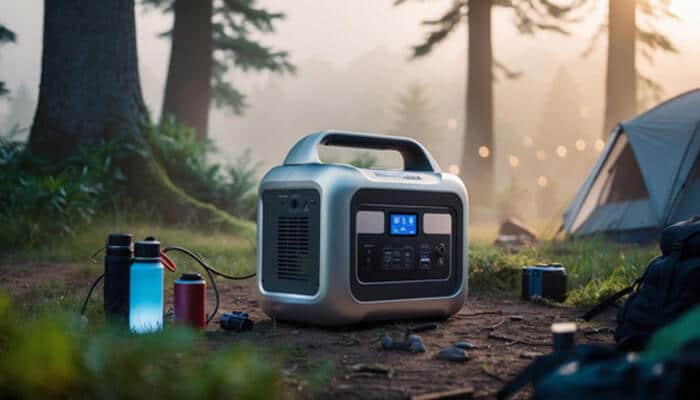

A reliable Lithium Battery for Camping is the quiet hero of any camping setup. It runs your fridge overnight, keeps the lights on, charges your phone, and powers a water pump, all without a mains connection. Get it right and you barely think about power. Get it wrong and you are nursing a flat battery on day two. A high-quality lithium camping battery provides consistent energy, longer runtime, and dependable performance for off-grid adventures.
Lithium batteries, and LiFePO4 in particular, hLithiumBatteryave become the go-to choice for camping, caravans and 4WD builds. This guide explains why, and walks through the factors that actually matter when you choose one, from capacity and weight to the battery management system and cold-weather performance.
Why Lithium Suits Camping
Most camping lithium batteries use lithium iron phosphate, written as LiFePO4. Compared with traditional AGM or lead-acid batteries, they are lighter, safer and last far longer, which is why they have taken over the touring market.
The practical wins are simple. A LiFePO4 battery is roughly half the weight of an equivalent lead-acid one, you can safely use most of its capacity rather than just half, and it holds a steady voltage as it drains, so your fridge and lights keep running properly until it is nearly empty. It also handles many more charge cycles, so it lasts years rather than months of heavy use.
Understand the Basics First
LiFePO4 vs Other Lithium Types
LiFePO4 is the chemistry to look for in a camping battery. It is more thermally stable and safer than the lithium-ion chemistries used in laptops and phones, and it tolerates the knocks and heat of touring better. When a battery is sold for camping or caravans, it is almost always LiFePO4.
Capacity: Amp-Hours and Watt-Hours
Capacity is usually shown in amp-hours (Ah). A 100Ah 12-volt battery holds about 1,280 watt-hours of usable energy, since watt-hours equal amp-hours times voltage. Watt-hours are the more useful number when you add up what your gear draws, because they let you compare loads directly.
Voltage and Configuration
Most camping setups run at 12 volts, which matches fridges, lights and USB gear. Larger builds sometimes use 24 volts, and batteries can be wired together for more capacity or higher voltage. Match the battery voltage to the system you are building.
The Factors That Actually Matter
Size the Capacity to Your Needs
Work out your daily power use before you buy. Add up the watt-hours each device draws over a day, then choose a battery with enough usable capacity plus a buffer. As a rough guide, a 12-volt fridge might use 400 to 700 watt-hours a day, so a 100Ah battery can run it and some lights for a day or two, longer if you are recharging with solar.
Weight and Physical Size
Weight matters in a vehicle, where every kilo counts against payload. LiFePO4 is already light for its capacity, but check the dimensions to fit your battery box or under-seat space, and confirm the terminals face a practical direction for your wiring.
The Battery Management System
A good battery management system, or BMS, is what keeps a lithium battery safe and long-lived. It protects against overcharging, over-discharging, short circuits and excess current, and balances the cells. A quality BMS is one of the biggest differences between a cheap battery and one you can trust on a long trip.
Cycle Life and Warranty
Cycle life tells you how many charge and discharge cycles a battery is rated for before its capacity drops. Quality LiFePO4 batteries are often rated for a few thousand cycles, which can mean many years of camping. Read the warranty terms too, since length and conditions vary between brands.
Temperature and Charging
Heat and cold both affect lithium batteries. The main thing to know is that charging a LiFePO4 battery below freezing can damage it, so look for a BMS with low-temperature charge protection if you camp in the cold. In hot Australian conditions, give the battery ventilation and avoid mounting it against a hot surface.
Match the Battery to Your Setup
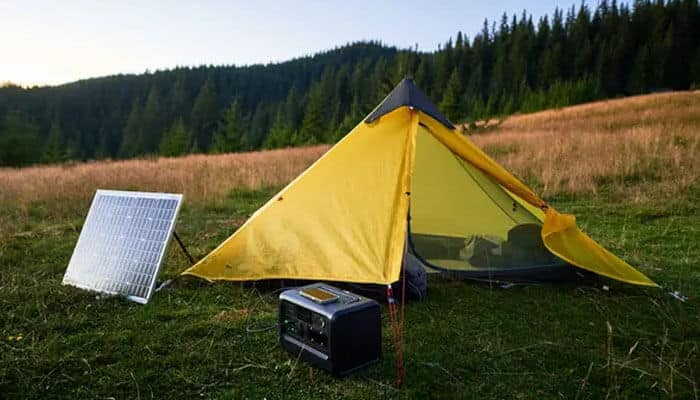
A battery rarely works alone. If you charge from your vehicle while driving, a DC-to-DC charger protects the battery and manages the charge correctly. If you use solar panels, a compatible solar charge controller, usually an MPPT unit, does the same job from the sun.
If you run mains-style appliances, an inverter converts 12 volts to 240 volts, and you will need enough battery capacity and a high enough discharge rate to handle the load. Plan the whole system together, since the battery, charging source and loads all have to match.
Safety and Care Tips
- Choose a battery with a quality BMS and clear specifications rather than the cheapest option.
- Mount the battery securely so it cannot move in transit, and keep terminals protected.
- Use a charger designed for LiFePO4 so the charge profile is correct.
- Avoid charging below freezing unless the battery has low-temperature protection.
- Give the battery ventilation and keep it out of direct, prolonged heat.
Where to Buy a Camping Lithium Battery
Once you know the capacity, weight and features you need, buy from a supplier that sells reputable brands and can help match a battery to your setup. Renogy is one well-known maker of LiFePO4 batteries and solar gear for touring, with built-in battery management and models sized for camping and caravans.
If you are shopping in Australia, you can find Renogy lithium battery online options through a local retailer, which makes it easier to compare capacities and specifications and get the right fit for your vehicle. Whichever brand you choose, match the specifications to your power needs rather than price alone.
Conclusion
Choosing a camping lithium battery comes down to knowing your daily power use, then matching capacity, weight, the battery management system and cold-weather protection to it. LiFePO4 is the right chemistry for touring, and a quality BMS is what makes a battery safe and long-lasting.
Work out your numbers, plan the battery alongside your charging and loads, and buy a reputable brand from a supplier who can help. Do that, and power becomes the part of your trip you never have to worry about.
Frequently Asked Questions
What size lithium battery do I need for camping?
It depends on your daily power use. Add up the watt-hours your fridge, lights and devices draw over a day, then pick a battery with enough usable capacity plus a buffer. A 100Ah 12-volt battery suits many weekend setups, especially if you recharge with solar.
Is LiFePO4 better than AGM for camping?
For most people, yes. LiFePO4 is lighter, lets you safely use far more of its capacity, holds a steadier voltage and lasts many more cycles than AGM or lead-acid. It costs more upfront but usually works out better over its life.
Can I charge a lithium camping battery with solar?
Yes. With a compatible solar charge controller, usually an MPPT unit, solar panels can recharge a LiFePO4 battery while you camp. Many tourers combine solar with a DC-to-DC charger that tops up the battery while driving.
Do lithium batteries work in cold weather?
They discharge fine in the cold, but charging a LiFePO4 battery below freezing can damage it. If you camp in cold conditions, choose a battery whose BMS includes low-temperature charge protection, or warm the battery before charging.
