


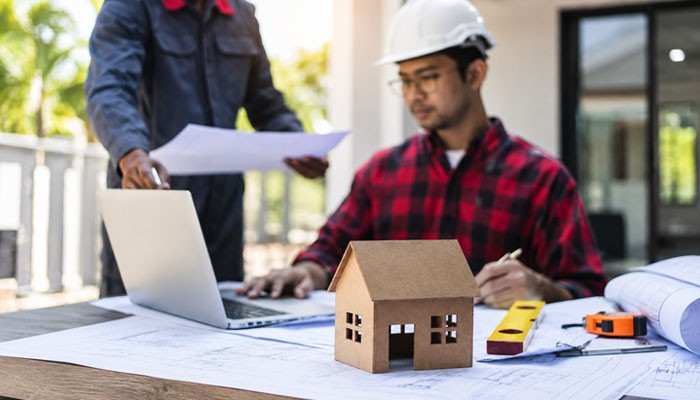

A custom home builder is the single biggest variable in whether building a new home feels like a rewarding project or a drawn-out financial headache. The floor plan, the finishes, and even the land matter less than the team responsible for turning all of it into a finished house. Two families with nearly identical budgets can end up with completely different experiences, and the difference usually comes down to who they hired. Knowing what separates a strong builder from a risky one gives you the leverage to make that choice with confidence.
What a Custom Home Builder Actually Does
The title gets used loosely, so it helps to define it. A true custom home builder designs and constructs a home for a specific client on a specific site, with the client making the key decisions along the way. That is different from a production builder, who puts up homes in a planned community using a limited menu of plans and options, and different again from a general contractor who simply executes plans someone else has drawn.
The role covers far more than framing and roofing. A good custom home builder helps evaluate the lot, estimates site development costs, coordinates engineering and permits, schedules dozens of trades in the right order, manages material deliveries, handles inspections, and stands behind the finished product with a warranty. When any one of those pieces is handled poorly, the schedule slips and the budget follows. That is why the evaluation process should focus as much on systems and management as it does on the look of the homes in a portfolio.
Custom, Semi-Custom, and On-Your-Lot
Within the custom category there is a wide range. Some firms work exclusively from architect-drawn plans created from a blank page. Others offer a library of proven plans that can be modified heavily, which is often called semi-custom or on-your-lot building. The second model tends to offer clearer pricing and faster timelines because the engineering has already been done, while still leaving room to move walls, resize rooms, and choose every finish. The right fit depends on how much design freedom you need and how much cost certainty you want.
Start With Experience in Your Area
Building codes, soil conditions, permit timelines, and climate requirements change from county to county. A custom home builder with a long track record in your region already knows how the local building department operates, which inspectors expect what, and how to handle the frost depth, wind load, or wildfire standards that apply where you plan to live. That local knowledge prevents delays an out-of-area crew might not see coming.
Experience also shows up in the subcontractor network. Established custom home builders have long relationships with excavators, framers, electricians, and finish carpenters, and those trades show up on schedule for the companies that keep them busy. Ask how long the builder has worked in your area and how many homes they have completed there recently.
Understand How Pricing Is Structured

Price is where most building regrets begin, usually because of a misunderstanding about what the number includes. Contracts generally fall into two camps. A fixed-price contract sets the cost for a defined scope of work, so the builder absorbs the risk of most material and labor increases. A cost-plus contract bills you for actual costs plus a fee or percentage, which offers flexibility but leaves the final figure open until the job is done.
Just as important is how site work is handled. Clearing, grading, driveways, utility connections, wells, and septic systems can add a significant amount to a rural build, and some builders quote only the house while leaving site costs vague. A trustworthy custom home builder walks the property before providing an estimate and explains exactly which site expenses are included, which are allowances, and what happens if conditions underground turn out to be worse than expected. If an estimate looks dramatically lower than others you have received, the gap is almost always hiding in exclusions.
Watch the Allowances
Allowances are budget placeholders for items like flooring, lighting, cabinetry, and appliances that you will select later. Low allowances make a bid look attractive, then turn into change orders once real selections are made, so ask every custom home builder you interview how their allowances were set. Compare allowances line by line across bids so you are weighing true costs rather than optimistic guesses.
Look Closely at Communication and Process
The quality of a build is shaped long before the foundation is poured. Pay attention to how quickly a custom home builder responds early on, how clearly they explain the process, and whether they put key details in writing. Those habits rarely improve after signing.
Ask who your day-to-day contact will be, how updates are delivered, and how often you can expect to hear from the team. Find out how change orders are priced and approved, and how long the builder expects the project to take from permit to completion. A clear, documented process protects both sides and keeps small misunderstandings from becoming expensive disputes.
Verify Credentials, Reviews, and Warranty Coverage
Confirm that the builder holds a current license and carries general liability and workers’ compensation insurance in your state. Read reviews across several platforms and look for patterns rather than isolated complaints, paying special attention to how the company responded when something went wrong. Speak with past clients and tour a recently finished home if you can.
Warranty coverage deserves its own conversation. Ask what is covered, for how long, and who handles service requests after move-in. A custom home builder that offers a structured warranty and a dedicated service process is signaling confidence in its own work and planning to be around when you need it.
How Adair Homes Approaches the Build
Adair Homes has been building homes since 1969 and has completed more than 25,000 custom homes across Oregon, Washington, Idaho, and Arizona. The company works exclusively on land its customers own, which means every project begins with a site visit to plan placement on the lot and identify development needs early. Site development is managed as part of the process, so homeowners are not coordinating excavation and utility crews on their own.
Customers start with a collection of floor plans and then modify room sizes, move walls, add features like dual primary suites, or explore basements and accessory dwelling units, all with upfront pricing. Construction typically takes six to twelve months from the foundation pour, and financing support is available through a sister lending company that specializes in construction loans. For families who want a personalized home without managing the build themselves, that combination of structure and flexibility is exactly what a custom home builder should provide.
Making the Final Decision
The best choice is rarely the lowest bid or the most impressive model home. It is the custom home builder whose pricing is transparent, whose process is documented, whose past clients speak well of the experience, and whose team you trust to answer the phone when a question comes up months into construction. Compare proposals carefully and ask direct questions. Choosing the right custom home builder at the start is the most effective way to make sure the home you move into is the one you imagined.
