
Every minute a truck sits idle, money is lost. Deliveries get delayed, schedules fall behind, and customer trust takes a hit. For businesses that rely on transportation, downtime is not just an inconvenience. It is a direct threat to profitability.
Many operators focus on quick fixes when issues arise. They replace parts only when something breaks. This reactive approach often leads to repeated problems. A smarter strategy is to focus on the quality of the parts being used from the start.
Why Downtime Happens More Often Than Expected
Downtime does not always come from major failures. Small issues can build up over time and lead to bigger problems.
Common causes include:
- Worn-out components that were not replaced in time
- Low-quality parts that fail under pressure
- Poor compatibility between components
- Lack of regular maintenance
Understanding these causes helps prevent them before they disrupt operations.
The Link Between Part Quality and Performance
Not all parts are built the same. Some are designed for short-term use, while others are made for durability under heavy loads.
High-quality parts offer:
- Better resistance to wear and tear
- Stable performance under demanding conditions
- Longer service life
When parts perform well, the entire vehicle operates more efficiently.
Reducing Breakdowns With Better Components
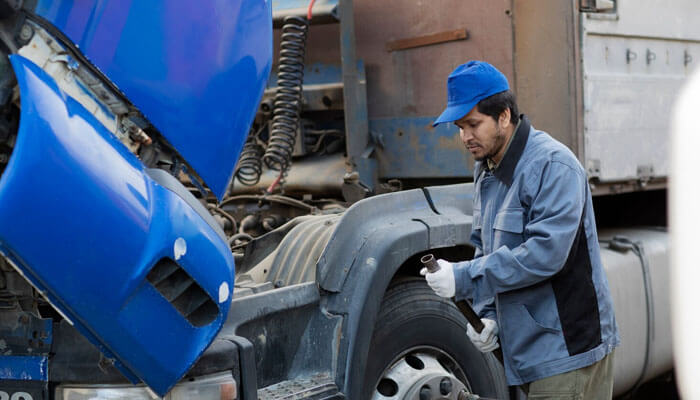
Frequent breakdowns often point to deeper issues. In many cases, the root problem is the use of unreliable parts.
Upgrading to dependable components can:
- Reduce the frequency of repairs
- Improve overall system reliability
- Minimize unexpected failures
This leads to fewer disruptions and smoother operations.
The Financial Impact of Fewer Repairs
Every repair comes with a cost. It is not just about the part itself. Labor, time, and lost productivity all add up.
Reducing repairs helps:
- Lower maintenance expenses
- Decrease labor costs
- Keep trucks on the road longer
Over time, this creates a noticeable improvement in profit margins.
Improving Fuel Efficiency
Truck performance is closely linked to fuel usage. Poor-quality parts can affect how efficiently a vehicle runs.
For example:
- Worn components can increase engine strain
- Poor alignment can create extra resistance
- Inefficient systems can lead to higher fuel consumption
Using reliable heavy duty truck parts helps maintain optimal performance and supports better fuel efficiency.
Supporting Driver Safety and Confidence
Drivers rely on their vehicles to perform safely. Faulty components can create risks on the road.
Reliable parts help:
- Maintain proper braking and handling
- Reduce the chance of sudden failures
- Improve overall driving stability
When drivers feel confident in their vehicles, they perform better.
Extending the Life of Your Fleet
Trucks are long-term investments. Protecting that investment should be a priority.
Quality parts contribute to:
- Reduced wear on critical systems
- Longer vehicle lifespan
- Better resale value
This ensures that your fleet remains productive for years.
Making Maintenance More Predictable
Unexpected repairs can disrupt schedules and create stress. Predictable maintenance makes planning easier.
Benefits of reliable parts include:
- Longer intervals between replacements
- Fewer emergency repairs
- More control over maintenance schedules
This allows businesses to operate more efficiently.
Choosing the Right Parts for Your Needs
Selecting the right parts requires careful consideration. Not every option will suit your specific operations.
Important factors to consider:
- Compatibility with your vehicle
- Performance under your typical workload
- Reputation of the manufacturer
Taking time to choose the right parts can prevent future problems.
Avoiding the Trap of Cheap Alternatives
Low-cost parts can be tempting. They reduce upfront expenses but often lead to higher costs later.
Common issues with cheap parts:
- Short lifespan
- Frequent replacements
- Increased risk of failure
Investing in quality parts is a more sustainable approach.
The Role of Preventive Maintenance
Even the best parts need proper care. Preventive maintenance ensures that everything continues to work as expected.
A good maintenance plan includes:
- Regular inspections
- Timely replacement of worn components
- Monitoring performance indicators
This approach reduces the chance of unexpected downtime.
Building a Stronger Operation
Reliable trucks support a stronger business. When your fleet performs well, everything else improves.
Key benefits include:
- On-time deliveries
- Better customer satisfaction
- Improved operational flow
These factors contribute to long-term success.
Turning Reliability Into Profit
Profit is not only about increasing revenue. It is also about reducing unnecessary costs. Reliable parts help achieve both.
By minimizing downtime and improving efficiency, you can:
- Maximize vehicle usage
- Reduce operational expenses
- Increase overall productivity
This creates a more profitable business model.
A Practical Approach to Better Performance
Improving your fleet does not require drastic changes. Small, consistent improvements can make a big difference.
Focus on:
- Choosing high-quality parts
- Maintaining a regular service schedule
- Monitoring performance over time
These steps help you build a more reliable and efficient operation.
When trucks stay on the road and perform consistently, your business benefits. Reduced downtime leads to better results, stronger relationships, and higher profits.