


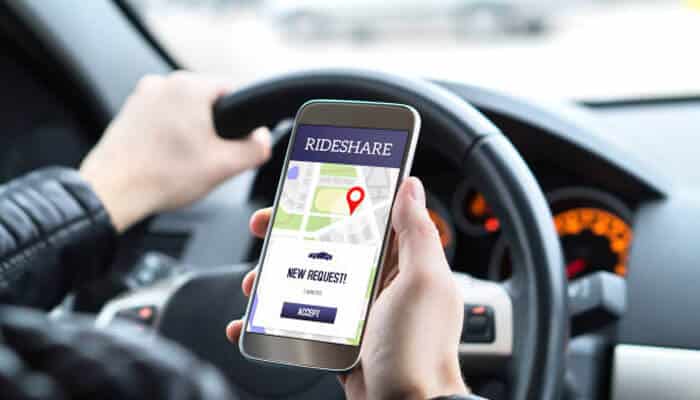

Rideshare app records can help establish what a driver was doing before, during, and immediately after a crash. Trip information, driver and passenger details, timestamps, GPS data, route information, and communications connected to a ride may help investigators reconstruct the events leading to an accident.
These records can become particularly important when determining who may be liable for an Uber or Lyft accident. Rideshare collisions can involve several potentially relevant parties, including the rideshare driver, another motorist, the rideshare company, and insurance providers. Determining responsibility requires looking at the specific facts rather than assuming that the driver or company is automatically responsible.
Trip Records Can Establish the Driver’s Activity
An Uber or Lyft app may contain information showing whether a driver was logged into the platform, waiting for a request, traveling to pick up a passenger, or transporting someone.
That information can help establish what the driver was doing when the collision occurred.
For example, a driver’s status shortly before an accident may become relevant when determining which insurance coverage potentially applies. The exact coverage and legal issues depend on the circumstances and applicable state law.
GPS Data Can Help Reconstruct the Collision
Location information can provide evidence about where a rideshare vehicle traveled before a crash.
GPS records may help establish the vehicle’s route, approximate location, and movement over time. When combined with police reports, photographs, traffic-camera footage, and witness statements, this information can help create a clearer timeline.
GPS information does not necessarily establish fault by itself. Investigators generally need to consider it alongside other evidence.
Timestamps Can Clarify What Happened
Rideshare applications can generate electronic records containing timestamps.
These records may help establish when a trip began, when a driver accepted a ride, when a passenger was picked up, and when the trip ended. In some circumstances, timestamps can be compared with emergency calls, traffic-camera footage, or other records.
A reliable timeline can be particularly useful when the parties disagree about where the driver was or what the driver was doing immediately before the collision.
Driver and Passenger Information Can Identify Relevant Parties
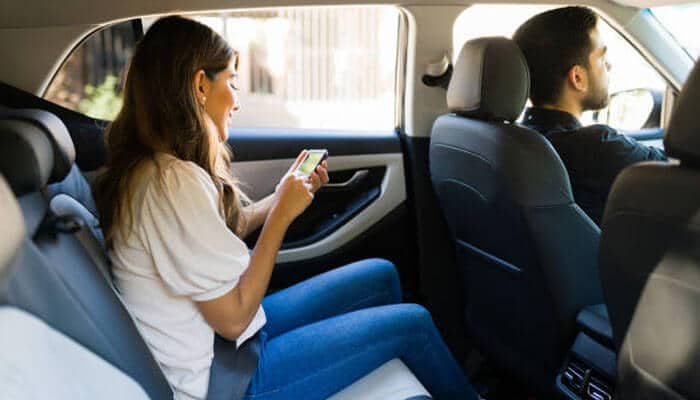
Rideshare records may also identify the driver and passenger associated with a particular trip.
This information can help establish who was in the vehicle and whether the driver was actively providing rideshare services at the time of the accident.
Passenger information can also help investigators locate potential witnesses. A passenger who experienced the crash may have firsthand knowledge of what happened inside the vehicle immediately before impact.
App Communications May Provide Additional Evidence
Messages or other communications through a rideshare platform may also become relevant.
For example, communications between a driver and passenger may help establish pickup details, route issues, or events occurring shortly before a crash.
Preserving these communications can be important because electronic information may not remain readily available indefinitely.
Insurance Coverage Can Depend on the Driver’s Status
Rideshare insurance issues can become complicated because coverage may depend on what the driver was doing through the app at the time of the collision.
A driver who was not logged into the platform may have different insurance considerations from a driver who was waiting for a ride request or actively transporting a passenger.
The applicable insurance policy, state law, and facts of the accident must be examined before determining which coverage may apply.
Key Takeaways
- Rideshare app records can help establish what a driver was doing before a collision.
- GPS data may help reconstruct the vehicle’s movements.
- Timestamps can help create a timeline of the accident.
- Driver and passenger records can identify people involved in the trip.
- App communications may provide additional evidence.
- Insurance coverage can depend on the driver’s rideshare status.
