


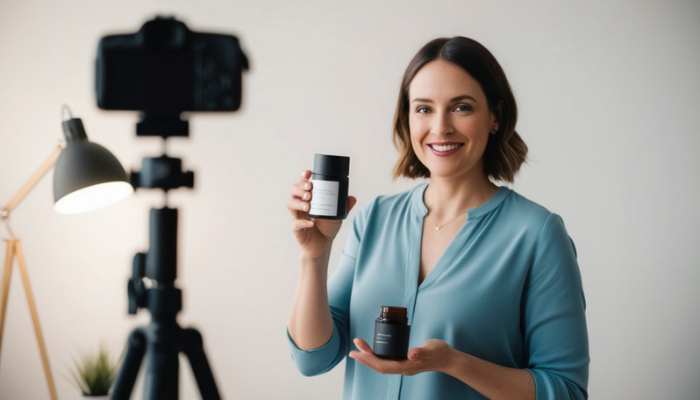

Product video generation helps teams test short visual explanations for buyer questions while keeping the real product and its limits accurate.
Product Video Starts With a Buyer Question
A product image can show form, but it may not resolve the uncertainty that stops a purchase. Buyers want to know how an item opens, what it holds, what a finish looks like in use, or whether a feature works under a particular condition. Product video generation becomes valuable when it helps a team turn one of those questions into a short, visible explanation. The video is not there to make a listing feel more animated. It is there to reduce a specific uncertainty with evidence.
The questions should come from customer support, reviews, return reasons, and sales conversations rather than from a generic content calendar. A repeated question about fit calls for scale and placement. A concern about operation calls for a clear action and result. A concern about colour or material calls for a representation that is checked carefully against the item. This starting point protects the work from becoming a montage of claims nobody needed answered.
Use the Tool to Test a Visual Explanation
A proposed scene can begin from a product image, a visual direction, and a short script. The useful test is whether the scene makes the buyer’s question easier to answer. Does the opening establish the uncertainty? Does the middle show relevant proof? Does the end leave the viewer with a conclusion they can verify through specifications or a real product view? These questions keep the work tied to commerce rather than to novelty.
A product video generator can help a team explore these scenes before organizing a full shoot. It can reveal whether a comparison needs a different angle, whether a line of copy arrives too early, or whether the question is still too broad. Generated visuals should always be checked against dimensions, accessories, materials, and capabilities of the physical product before they are published.
Pair Video With Exact Product Information
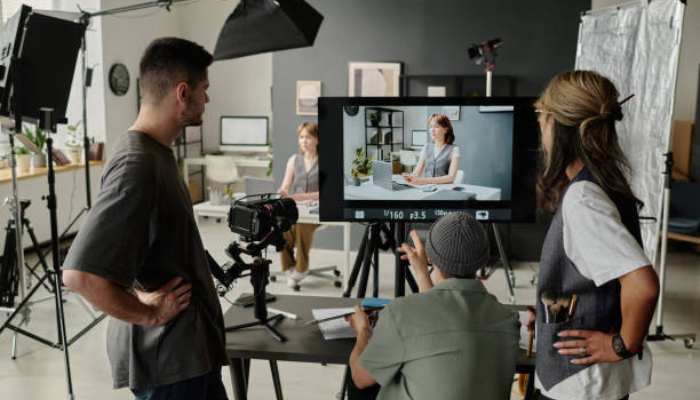
Video is strongest alongside written dimensions, compatibility notes, delivery details, and policies. A clip may show that an item fits a laptop; a specification states the exact interior measurement. A clip may demonstrate a mechanism; a support note can name the care required. This combination gives a buyer both a quick visual answer and the facts needed for a considered decision.
The product page already contains a video brief
An ecommerce operator sees a product photo and thinks: we need a video. That is understandable; motion can make a listing feel more complete. But a product video built only to add movement often answers no question. It spins the object, adds music, and repeats a headline. The buyer still wonders whether the bag fits a laptop, whether the finish is reflective, whether the latch needs two hands, or whether the item looks oversized when worn.
Those questions are the brief. They are usually sitting in support emails, return reasons, product reviews, and search terms. A visitor who asks ‘Will this fit under an airline seat?’ is not requesting more lifestyle footage. They are asking for an evidence-based scene. A visitor who asks ‘Is the color close to the photos?’ needs a comparison under believable light. The strongest product videos do not begin with a camera plan. They begin with the uncertainty that interrupts purchase.
Collect the questions before you collect ideas
For one week, pull together customer service notes, review snippets, return codes, and sales-call objections. Sort them into three groups: fit and scale, use and operation, and trust or expectation. Then look for the question that appears often enough to matter and is easy to answer visibly. This is a better first target than a feature the company is personally proud of but customers already understand.
Suppose a desk organizer is praised for its compactness but returned because its capacity is misunderstood. The video should not open on a beautiful workspace. It should show what goes inside, how a drawer moves, and how much desk area remains. That sequence does not have to be long. It does have to be honest. If the product has limits, showing them can reduce costly disappointment and increase confidence among the buyers for whom it is a fit.
Build a scene that answers one thing at a time
A useful scene has an opening question, visible evidence, and a conclusion the viewer can verify. ‘Does it fit a 14-inch laptop?’ can open with the laptop beside the bag, show the placement without a hidden cut, and end with the bag closed at a familiar scale. ‘Can I use this without tools?’ can show the relevant parts, the action, and the finished state. Keep claims close to what is on screen. If a claim depends on a condition, say the condition.
This is where an product video generator can be useful for testing a product image, a visual direction, and a short script before committing to a costly shoot. It does not replace product truth. It gives an operator a way to explore how a question might be staged, which angle makes the feature legible, and whether a proposed scene is specific enough to earn a place on the product page.
Do not let polish overrule accuracy
A generated product scene should be checked against the real item before it reaches customers. Compare color, dimensions, interfaces, accessories, and the way the product is actually handled. If the generated movement implies a capability the item does not have, remove it. If a physical detail is unclear, use a real close-up or a labeled still instead. Ecommerce trust is cumulative; one beautiful but misleading clip can undo the value of a cleaner product page.
Use the video as a page experiment
Where the video sits matters. A clip answering a broad use question may belong near the first product images. A size comparison may work better next to measurements. A setup sequence may be more valuable below the purchase button or in the post-purchase email. Do not treat video as a decorative block that must be watched from start to finish. Place it where the buyer is most likely to have the question it answers.
Then monitor the behaviour associated with that question. Are size-related returns declining? Are people who watch the demonstration reaching the shipping section more often? Are support requests changing from ‘Will it fit?’ to more detailed questions that suggest the first uncertainty has been resolved? A lift in views alone tells little. The point is to make the product page more useful, not to create a separate entertainment asset.
Ask the warehouse and support teams to review the result
Marketing is not the only team that knows whether a video is accurate. Warehouse staff notice which accessories are actually included and how products are packed. Support staff hear the language customers use when expectations are wrong. Product staff know the boundary conditions of materials and mechanisms. Give those people a simple review task: identify anything in the scene that a customer could reasonably misread. Their feedback often prevents a costly claim before it becomes part of an ad campaign.
This review also improves the next script. If support hears repeated uncertainty about a clasp, write the next video around the clasp rather than adding another generic lifestyle edit. Over several releases, the store can develop a library of short, answer-first clips. The library becomes more valuable than one flagship commercial because it helps buyers at different points in their decision.
FAQ
Can a product video replace specifications?
No. Use video to make a question easier to understand, then support it with written dimensions, compatibility details, materials, and policies. Some buyers want a quick visual answer; others need exact information they can scan and compare.
Which product question should be addressed first?
Start with the uncertainty that most often blocks a confident purchase or causes avoidable returns, provided you can show the answer truthfully. The choice should come from customer evidence, not from the easiest scene to make.
Conclusion
A product video is most useful when it behaves like a patient salesperson: it notices the question, shows the evidence, and does not exaggerate the result. Mine buyer uncertainty for the brief, test one visible answer at a time, verify every generated detail against the physical product, and place the finished clip where the question occurs. The result is not just better creative. It is a product page that helps people decide with fewer surprises.
