Living with chronic nerve pain, such as pavatalgia, brings many questions to mind, particularly one of the most pressing: “How long can I live with pavatalgia?” While chronic nerve pain itself does not usually affect life expectancy directly, its impact on quality of life can be significant. Understanding the underlying causes and managing the condition effectively play a key role in improving life expectancy.
This article dives into the key factors that answer the question of how long you can live with pavatalgia, exploring its causes, symptoms, treatment options, and how proactive management can improve long-term health and well-being.
What Is Pavatalgia?
How long can i live with pavatalgia depends greatly on the underlying condition causing the pain. Although pavatalgia isn’t widely documented in medical textbooks or major clinical resources, it aligns with chronic nerve pain conditions such as neuralgia and neuropathy. Nerve pain happens when nerves are damaged, irritated, or dysfunctional — leading to sensations like burning, stabbing pain, tingling, or numbness. This type of pain can be chronic (long‑term) and may significantly affect quality of life.
Common conditions under this category include:
- Peripheral neuropathy — damage to peripheral nerves often causing pain in feet or hands.
- Neuralgia — sharp, shooting pain along a nerve path.
- Post‑herpetic neuralgia — nerve pain following shingles infection.
- Trigeminal neuralgia — intense facial nerve pain.
Because terms like neuralgia and neuropathy describe symptoms, not always distinct diseases, how long you can live with pavatalgia largely depends on the underlying cause and severity of the condition.
Detailed Causes of Pavatalgia
Understanding the root cause of nerve pain is crucial to managing and treating it effectively. The most common causes of pavatalgia (or similar nerve pain conditions) include:
Etiology and Risk Factors:
Genetic Factors: Certain genetic conditions predispose individuals to nerve damage, such as Charcot-Marie-Tooth disease or hereditary neuropathy.
1. Lifestyle Habits:
-
- Smoking can impair blood circulation, aggravating nerve damage.
- Dietary factors: Deficiencies in B vitamins (especially B12) can lead to neuropathy. Overconsumption of alcohol can also damage nerves.
2. Injuries: Trauma, such as spinal cord injury or fractures, can directly cause nerve damage and chronic pain.
3. Environmental Triggers: Exposure to toxic chemicals or prolonged pressure on nerves (such as from tight clothing or repetitive motion) can increase the risk of developing nerve pain.
Differentiating Pavatalgia From Other Pain Disorders
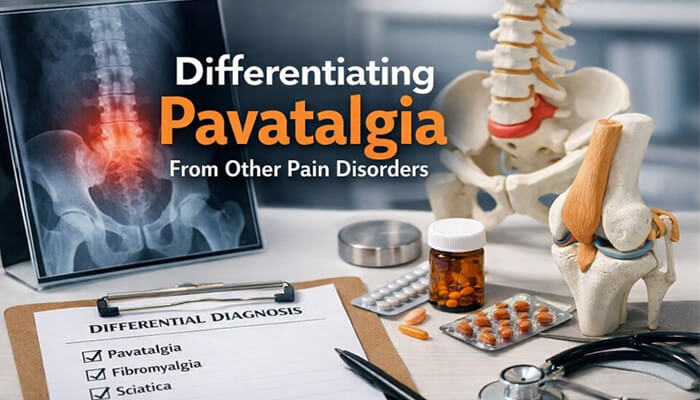
Pavatalgia (or neuropathic pain) is often confused with conditions like fibromyalgia, sciatica, or radiculopathy. While they may share some overlapping symptoms (e.g., burning pain, numbness), the key difference lies in the underlying cause. For example:
- Fibromyalgia causes widespread pain and tenderness in the muscles and soft tissues, but not necessarily from nerve damage.
- Sciatica is specifically related to nerve compression in the lower back, which can cause sharp pain down the leg.
Understanding how long you can live with pavatalgia is critical when comparing it with other chronic pain conditions like fibromyalgia and sciatica, which may not be as debilitating but can still cause ongoing discomfort.
Does Pavatalgia (Chronic Nerve Pain) Affect Life Expectancy?
How Long Can I Live With Pavatalgia?
Most medical evidence suggests that chronic nerve pain alone does not directly shorten life expectancy for most people. However, how long you can live with pavatalgia depends significantly on several factors such as the underlying condition, severity, and effectiveness of treatment.
- Severe or untreated nerve damage can contribute indirectly to health complications.
- Underlying diseases associated with nerve pain (like diabetes or autoimmune disorders) may influence overall mortality.
- Pain itself, and its treatment (especially long‑term opioid use), has downstream effects that can affect general health and overall longevity.
For individuals with neuropathic pain related to diabetic neuropathy, for instance, managing the diabetes itself is crucial for extending lifespan.
Life Expectancy Comparisons With Other Chronic Pain Conditions
Comparing chronic pain conditions gives us a better understanding of how long you can live with pavatalgia. For instance:
- Fibromyalgia and chronic back pain are typically not linked to life expectancy reductions, though they significantly affect quality of life.
- Arthritis can lead to increased mortality if not managed correctly, particularly if it’s linked to systemic inflammatory diseases (e.g., rheumatoid arthritis).
Although these conditions may share similar symptoms, pavatalgia and related nerve pain conditions can significantly impact both physical function and mental health, ultimately affecting long-term prognosis.
Alternative and Complementary Therapies: Can They Extend Life Expectancy?
Many people with chronic nerve pain seek alternative treatments alongside conventional medicine to improve their quality of life and potentially extend life expectancy by managing pain effectively. These include:
Alternative Treatments:
1. Acupuncture has been shown to alleviate pain in some individuals with neuropathic pain.
2. Massage therapy can help release tension and improve circulation, potentially reducing pain and stiffness.
3. Biofeedback teaches individuals to control physiological processes such as heart rate and muscle tension, helping reduce pain.
Emerging Therapies:
- Cannabinoid-based treatments are showing promise for reducing pain in certain types of neuropathy.
- Stem cell therapy and nerve growth factor injections are areas of active research that may offer future hope for people with chronic nerve pain, potentially improving long-term survival and quality of life.
Impact on Family and Caregivers: The Hidden Consequences of Pavatalgia
Chronic pain affects not only the individual suffering from it but also their loved ones and caregivers. Many experience emotional distress, anxiety, and depression due to the constant need for support. Family members often have to adjust their daily routines and may experience feelings of frustration or helplessness.
Support for caregivers is just as important as for the patient. Encouraging open communication, education about the condition, and professional counseling can help ease the emotional burden of caregiving, which in turn can improve the quality of life and overall health, positively affecting the prognosis of someone with pavatalgia.
Diet and Nutrition: What Can Help Improve the Prognosis of Pavatalgia?
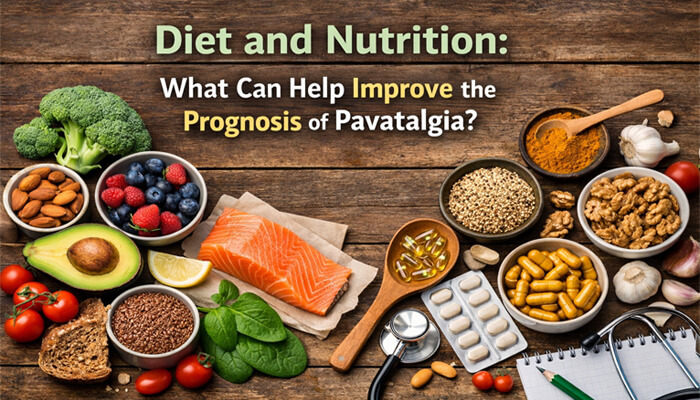
Proper nutrition plays a significant role in managing chronic nerve pain. How long you can live with pavatalgia can be affected by the foods you eat and the nutrients you get.
Nutritional Interventions:
- Vitamin B12, Omega‑3 fatty acids, and magnesium have shown positive effects on nerve regeneration and pain relief.
- A balanced diet rich in antioxidants (such as vitamins C and E) can reduce inflammation and support nerve health, potentially improving your prognosis.
Foods to Avoid:
Certain foods can exacerbate nerve pain, including:
- Sugary foods can contribute to nerve damage, especially for those with diabetes.
- Inflammatory foods, such as trans fats and processed meats, should be minimized as they may worsen pain.
Detailed Overview of Nerve Pain Management Medications
Medications for Chronic Nerve Pain:
1. Anticonvulsants (e.g., Gabapentin, Pregabalin) are commonly prescribed to control nerve pain.
2. Antidepressants (e.g., Amitriptyline) can help regulate pain signals in the brain.
3. Topical analgesics (like lidocaine patches) may provide localized relief.
Pain Medication Alternatives:
- TENS (Transcutaneous Electrical Nerve Stimulation) is a non‑pharmaceutical device that delivers mild electrical pulses to reduce pain.
- Spinal cord stimulators are surgically implanted devices that modify pain signals before they reach the brain.
Latest Research or Clinical Trials: How It Affects Your Long-Term Health
Recent clinical trials have been exploring stem cell therapy, gene therapy, and new pharmacological agents that aim to regenerate damaged nerves. Breakthrough studies in pain management may soon provide more effective treatments for those with chronic nerve pain, improving both quality of life and life expectancy.
Social & Community Support: How It Improves Prognosis
Support groups and online forums can provide emotional support and helpful resources. Groups such as Chronic Pain Support Groups and those offered by the National Institute of Neurological Disorders and Stroke (NINDS) offer a platform for shared experiences and expert advice.
Call to Action (CTA)
Talk to a doctor about your symptoms if you experience chronic nerve pain. Early diagnosis and intervention can significantly improve your quality of life and long‑term health outcomes.
Conclusion
In conclusion, while how long can i live with pavatalgia varies depending on the severity, underlying causes, and effectiveness of treatment, it’s important to note that chronic nerve pain itself does not typically shorten life expectancy. With proper pain management, regular medical follow-ups, and lifestyle adjustments, many individuals can live long and fulfilling lives even with pavatalgia. The key is to address the root cause of the pain, manage symptoms effectively, and maintain overall health.
By actively managing pavatalgia, people can improve their quality of life and significantly influence how long they live with this condition, despite the challenges it may present.
How Long Can I Live With Pavatalgia FAQs
1. How long can I live with pavatalgia?
It depends on the underlying cause. While it doesn’t directly affect life expectancy, managing pain and underlying conditions can improve longevity and quality of life.
2. Does pain severity change life expectancy with pavatalgia?
Pain severity from pavatalgia itself does not directly impact life expectancy. However, severe pain can lead to complications that may affect overall health, making effective pain management crucial for maintaining a good quality of life.
3. Can lifestyle changes improve longevity for people with pavatalgia?
Yes — controlling risk factors, staying active, and managing underlying conditions improve health outcomes and quality of life.