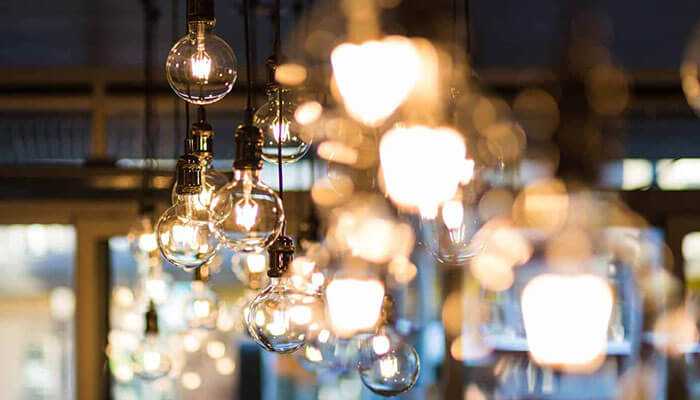
In today’s competitive business environment, companies continuously seek innovative ways to enhance the customer experience. One often overlooked aspect is the strategic use of lighting. Beyond mere illumination, lighting can influence mood, perception, and even buying behavior. This article delves into how strategic lighting can elevate the customer experience, drawing on psychological insights and design principles.
Use lighting to guide attention to specific products or areas, creating visual hierarchies.
Consider the emotional cues of different temperatures. Warmer lights for comfort, cooler lights for focus.
Implementing adjustable lighting systems can offer versatility, adapting to different times of day or promotional events.
Whenever possible, blend in natural light for a more authentic and energetically balanced environment.
For establishments looking to upgrade or install efficient lighting systems, exploring options such as commercial light fixtures can offer a sustainable and cost-effective solution. Selecting the right fixtures is essential for creating the desired ambiance and can significantly contribute to energy savings over time.
Research showcases intriguing examples of how lighting influences perception. In one study, diners in a restaurant under warmer lighting conditions rated their meals as more enjoyable than those dining under brighter, cooler light. This suggests that the sensory experience, including taste, can be modulated by lighting, highlighting its potential to impact overall satisfaction.
Lighting isn’t just about seeing; it’s about feeling. Various studies have shown that lighting can significantly affect one’s mood and energy levels. For example, warm light tends to create a cozy, welcoming atmosphere, fostering a sense of intimacy and relaxation. Conversely, cool light is often associated with alertness and increased concentration. Understanding these nuances can help businesses craft desired atmospheres within their spaces.
As we continue to explore the vast potential of strategic lighting, it’s also essential to consider its application in both virtual and outdoor spaces. Virtual reality settings can greatly benefit from lighting design that enhances the immersive experience, while outdoor areas, such as patios and landscapes, can use lighting to create welcoming and dynamic spaces that extend the customer experience beyond the interior confines.
Lighting does more than set the stage; it plays a direct role in customer behavior. Bright, direct lighting can accelerate customer decision-making, making it a strategic choice for fast-paced retail environments. On the other hand, softer, ambient lighting encourages customers to linger, ideal for establishments like cafés or bookstores aiming to promote a leisurely browsing experience.
Strategic lighting also plays a critical role in enhancing and conveying brand identity. Through careful selection and placement of lighting, businesses can evoke specific brand emotions and values, making a lasting impression on customers. This dimension of lighting strategy opens up new avenues for creativity and brand storytelling.
While investing in strategic lighting, businesses must also weigh environmental considerations and energy costs. LED lighting, for instance, offers a sustainable alternative with lower energy consumption and longer life span. However, the initial investment might be higher compared to traditional lighting solutions. Balancing aesthetic and practical benefits against environmental impact and cost is crucial for a forward-thinking strategy.
Finally, understanding the cultural context of lighting preferences can offer businesses a competitive edge in global markets. Lighting designs that take into account regional tastes and cultural significance can enhance the global appeal of spaces, making them more engaging and respectful to a diverse clientele.
The future of lighting design sees a blend of technology and personalization. Innovations such as smart lighting systems enable environments to adjust dynamically to individual preferences or operational goals, potentially transforming how businesses interact with their customers through light. As these technologies mature, they will likely become integral to creating more engaging, personalized customer experiences.
In conclusion, strategic lighting is a powerful tool in enhancing the customer experience. By understanding the psychological impacts, manipulating customer behavior through design principles, and staying informed about technological advancements, businesses can create compelling environments that not only draw customers in but also encourage them to stay. In a world where first impressions are crucial, mastering the art of lighting can make all the difference.
Payroll Liabilities vs Payroll Expenses is a key accounting topic that helps businesses understand how payroll affects both financial reporting…
Most homeowners waste money on upgrades that look good but add no real value. Home Upgrading Mintpalment focuses on smarter…
The 2026 UK gambling market is facing major changes that will impact how casinos operate. Players are increasingly protected by…
In the rapidly evolving landscape of digital finance, programmable wallets have emerged as a transformative tool, offering unprecedented flexibility and…
Balancing a full-time job while chasing a new career can feel overwhelming. You may find yourself stuck in a routine,…
If you are operating in a government department or public agency, you already understand how messy budgeting can get. You…