




Employee appreciation ideas can miss the mark when the logistics receive more attention than the recognition itself. A hands-on creative workshop works best when the team understands why it is gathering, who is being thanked, and how the activity connects to a shared accomplishment.
This planning and packing checklist is designed for U.S.-based founders and team leads. It covers what to decide first, what to pack, and which safety and accessibility questions to address before the event.
Why Creative Workshops Can Support Employee Appreciation Ideas
Gallup’s 2026 report places 20% of employees globally in the engaged category. In the United States and Canada, 31% are engaged, while 50% report significant daily stress. A painting session cannot fix structural workplace problems, but a thoughtful event can give managers and colleagues a useful setting for specific, genuine recognition.
Recognition quality matters. Gallup’s longitudinal data from 2022 to 2024 found that well-recognized employees were 45% less likely to have left their organization after two years. Research from Gallup and Workhuman describes effective recognition as fulfilling, authentic, personalized, equitable, and embedded in the organization’s culture. Those principles can guide both the activity and the way appreciation is expressed. For carrying planning materials, browsing a ladies work backpack category is one regional option before shopping for a hands-free office day bag.
Define Success Before Buying Supplies
Write down five points and share them with everyone responsible for approving or organizing the event:
- Purpose: Identify the milestone, contribution, or behavior being recognized.
- Participants: Confirm the headcount, teams involved, and whether attendance is optional.
- Accessibility and dietary needs: Collect this information in advance rather than making assumptions.
- Budget: Include materials, facilitation, food, transportation, and a small contingency.
- Approvals: Confirm the venue, waiver requirements, insurance questions, and facilities sign-off.
A one-sentence purpose statement can keep the event focused: “We will use a neon painting session to celebrate the spring release and strengthen rapport between the support and engineering teams.”
A Practical Planning Timeline
- Four to six weeks before: Reserve the space, confirm the facilitator, review potential hazards, open RSVPs, and ask about accommodations and dietary needs.
- Two weeks before: Order materials, print name badges and allergy signage, and draft the run of show.
- 72 to 24 hours before: Confirm the headcount, label individual kits, test power and lighting, and brief the designated safety lead.
- On the day: Set up welcome, supply, drying, and photo zones. Open with specific recognition and close with thanks that names concrete contributions.
- Within 48 hours: Share approved photos, send personal notes, and hold a 15-minute review of what helped participants feel appreciated.
The Packing Checklist, Grouped By Function
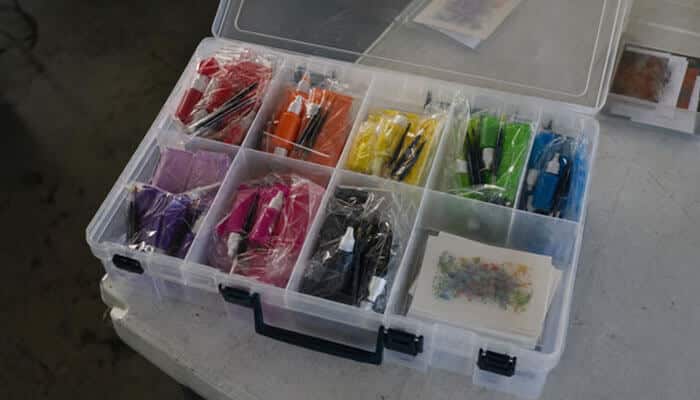
Pack by zone or task rather than placing everything in one container. Labels and individual supply kits make setup faster and help facilitators spot missing items before the workshop begins.
Creative Supplies
Pack canvases or heavy paper, paints and markers, brushes, palettes, stencils, aprons, and paper towels. Look for the ACMI AP Seal, which identifies art materials certified as non-injurious when used as intended and labeled in accordance with ASTM D4236 and LHAMA. Open University’s creative workshop guidance also recommends simple collaboration materials such as flip charts, markers, sticky notes, and tape.
Surfaces, Utilities, and Lighting
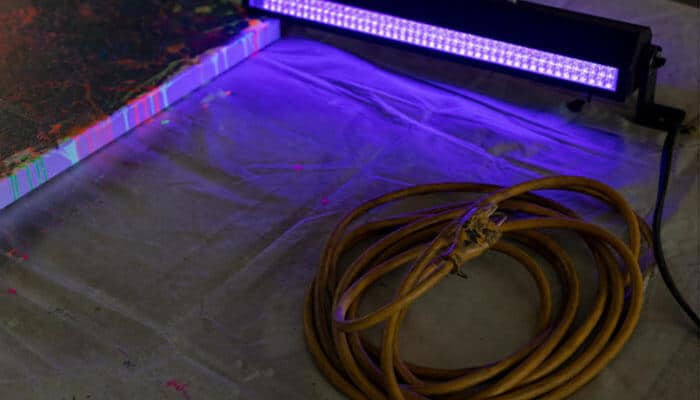
Bring table covers, drop cloths, painter’s tape, extension cords, power strips, spare batteries, and any blacklight or LED bars required for the activity. Test the electrical circuit before participants arrive, and secure every cord that crosses a walking route.
Safety and Compliance
Pack a stocked first-aid kit, gloves, wipes, emergency contact information, and printed safety data sheets for chemical products. OSHA’s general-industry first-aid standard, 1910.151, requires ready access to medical support or trained first-aid providers and readily available supplies. Its appendix references ANSI Z308.1 as an example of minimum kit contents, which should be expanded for the event’s specific risks. Avoid corrosive materials at workplace activities.
Accessibility and Hospitality
Plan for wide aisles, seated and standing work options, a quiet area, clear large-print instructions, labeled food, water, sanitizer, and separate trash and recycling bins. An ADA-aligned event checklist can help organizers review accessible routes, restrooms, seating, signage, and captions for video content. It does not replace venue-specific or legal guidance, but it can reveal common barriers before the event.
Bags and Transport Gear
Bring clear bins, a dolly, zip bags, timers, labels, and a backup tote. Facilitators can keep index cards for a recognition wall, markers, tape, scissors, chargers, and a printed run of show in one dedicated kit. For a hands-free bag that can carry a laptop, chargers, and notebooks, a work backpack is one practical option. Compare regional browsing options before shopping.
U.s. Rules To Check Before Traveling
If you plan to fly with supplies, review the FAA’s PackSafe guidance, updated April 13, 2026, for paints and solvents. Most paints and paint-related solvents are prohibited in airline baggage. Nonflammable artist paints may be permitted when they pose no other hazard and comply with the 3-1-1 liquids rule. For air travel, nonflammable generally means having a flashpoint above 140°F (60°C). A product safety data sheet can help document this information.
For unusual items, consult the TSA’s public “What Can I Bring?” tool. Even permitted items may require additional screening or be refused at the checkpoint. FAA, TSA, OSHA, and ADA requirements are specific to the United States, so check applicable local rules when holding an event abroad. When practical, buy consumable supplies at the destination.
Make Recognition the Centerpiece
Begin with five to ten minutes of appreciation rather than housekeeping. A simple three-step script keeps the message specific: name the action, explain its impact, and identify the value it reflected. Include two or three peer acknowledgments so that recognition does not come only from managers.
During the activity, managers should circulate and offer individual thanks. Ask beforehand whether each person prefers public or private recognition, since equitable and personalized appreciation matters more than the volume of applause. Close with a card or small award that identifies concrete behaviors, then follow up in writing.
An Optional Regional Booking Route
Teams organizing an offsite in Hong Kong may prefer to use a provider that handles setup, supplies, and cleanup. As one optional booking route, Sketch Studios lists a neon paint art session as a private workshop for groups, with weekday sessions and booking by WhatsApp.
Availability, pricing, accessibility, and group-size requirements can change. Confirm the current details directly with Sketch Studios before deciding whether the format suits the team.
Cleanup and Follow-through
Assign cleanup responsibilities by zone before the first brush is used. Collect reusable materials for another session, dispose of waste according to the product labels, and send a same-day note of thanks.
Share an approved photo gallery within 48 hours, then hold a short review while details are fresh. Ask what made people feel appreciated, what should be repeated, and what should change.
Whether you manage the event with labeled kits and a practical work bag or use a regional provider such as Sketch Studios, the format should be easy to repeat. Consistent, specific recognition is more valuable than relying on novelty once a year.
