



The disadvantages of knee replacement surgery extend beyond infection and blood clots. Recovery can be painful, rehabilitation may take months, and some patients continue to experience stiffness, persistent pain, difficulty kneeling or an artificial feeling after the operation.
Total knee replacement can substantially reduce severe arthritis pain and improve mobility, but it does not recreate a natural knee. The American Academy of Orthopaedic Surgeons reports that more than 90% of modern total knee replacements continue functioning well after 15 years. However, serious infection occurs in fewer than 2% of patients, and high-impact activities are often discouraged because they may accelerate implant wear or loosening.
Research has also found that approximately 10% of patients are dissatisfied after primary total knee replacement. Persistent pain, stiffness, complications and unmet expectations are among the most commonly reported reasons.
This guide explains 12 important disadvantages of knee replacement surgery, who may face higher risks, how complications may be reduced and what to discuss with an orthopedic surgeon before deciding whether surgery is appropriate.
Medical disclaimer: This article provides general educational information and does not replace diagnosis, treatment or personalized advice from a qualified healthcare professional. Individual risks depend on age, health, medications, diagnosis and the procedure being considered.
Quick Answer: What Are the Main Disadvantages of Knee Replacement Surgery?
The main disadvantages include:
- A painful and demanding recovery
- Persistent pain after surgery
- Knee stiffness or limited movement
- Surgical-site or deep-joint infection
- Blood clots and pulmonary embolism
- Anesthesia and major medical complications
- Nerve, blood-vessel or soft-tissue injury
- Knee instability or mechanical problems
- Implant wear, loosening or failure
- The possibility of revision surgery
- Fracture around the artificial joint
- Permanent activity limitations or an artificial feeling
Most patients do not experience serious complications, and many obtain meaningful pain relief. Understanding the risks helps patients develop realistic expectations and make an informed decision.
Key Takeaways
- The disadvantages of knee replacement surgery include a demanding recovery, possible persistent pain and long-term implant limitations.
- Knee replacement can significantly reduce severe arthritis pain, but it may not feel exactly like a natural knee.
- Recovery often takes several months and requires consistent rehabilitation and home exercises.
- Some patients continue to experience stiffness, discomfort or limited movement even after successful surgery.
- Infection and blood clots are uncommon, but they can become serious without prompt treatment.
- Artificial knee joints can wear or loosen over time and may eventually require revision surgery.
- The decision should be based on symptoms, overall health, daily limitations and realistic expectations—not X-rays alone.
Knee Replacement Risk Summary
| Disadvantage or risk | Possible effect | General frequency |
|---|---|---|
| Painful recovery | Swelling, sleep disruption and temporary dependence | Expected |
| Persistent pain | Pain continuing beyond normal healing | Reported in a minority of patients |
| Stiffness | Difficulty bending or straightening the knee | Uncommon |
| Infection | Antibiotics, further surgery or implant removal | Uncommon but serious |
| Blood clot | Leg swelling, pain or pulmonary embolism | Uncommon but serious |
| Medical complications | Heart, lung, bleeding or anesthesia problems | Uncommon |
| Nerve or vessel damage | Numbness, weakness or circulation problems | Rare |
| Mechanical problems | Instability, clicking or poor tracking | Uncommon |
| Implant wear or loosening | Increasing pain and reduced function | Long-term risk |
| Revision surgery | Repair or replacement of implant components | Possible over time |
| Periprosthetic fracture | Broken bone around the implant | Uncommon |
| Activity limitations | Avoidance of high-impact sports | Often recommended |
These categories are general estimates rather than individual predictions. Rates vary according to patient health, surgical technique, follow-up period and how researchers define complications.
How Common Are Serious Complications After Knee Replacement?
Although the disadvantages of knee replacement surgery can sound concerning, serious complications are uncommon for most patients. Every operation carries some risk, but the likelihood varies depending on your overall health and medical history.
Factors That Can Increase Risk
Your risk may be higher if you have:
- Advanced age
- Heart, lung or kidney disease
- Diabetes
- A history of blood clots
- Smoking or nicotine use
- Anemia
- Previous knee surgery
- Certain medications
- Replacement of both knees during the same procedure
Death after elective knee replacement is rare. A systematic review of 44 studies reported an all-cause mortality rate of approximately 0.14% within 30 days and 0.35% within 90 days after surgery.
These figures represent deaths from all causes during the follow-up period and do not mean the knee replacement itself caused every death. Patients with significant medical conditions generally face higher risks than otherwise healthy individuals.
For the most accurate estimate, ask your orthopedic surgeon or preoperative medical team for a personalized risk assessment based on your health, lifestyle and medical history.
What Is Knee Replacement Surgery?
Before understanding the disadvantages of knee replacement surgery, it’s important to know what the procedure actually involves.
Total knee replacement, also called total knee arthroplasty (TKA), is a surgical procedure that removes damaged cartilage and a small amount of bone from the knee joint. The surgeon then resurfaces the joint with metal components and a durable medical-grade plastic spacer to improve movement and reduce pain.
The procedure is typically recommended for people with severe osteoarthritis or other joint conditions that cause persistent pain, stiffness, deformity or loss of function after nonsurgical treatments such as medication, physical therapy, weight management or injections have not provided enough relief.
Although knee replacement can significantly improve mobility and quality of life, it resurfaces the joint rather than restoring natural cartilage. It cannot reverse aging or guarantee a completely natural-feeling knee, which is why understanding its potential risks and limitations is an important part of making an informed decision.
12 Disadvantages of Knee Replacement Surgery
1. Recovery Can Be Painful and Physically Demanding
Recovery is one of the most immediate disadvantages of knee replacement surgery.
Patients commonly experience:
- Surgical pain and swelling
- Bruising
- Difficulty sleeping
- Muscle weakness
- Reduced energy
- Difficulty using stairs
- Temporary use of a walker, crutches or cane
- Dependence on others for daily tasks
Physical therapy and home exercises are essential for restoring movement and strength, but they can be uncomfortable during the first several weeks.
Many patients return to basic daily activities within three to six weeks, although full recovery takes longer. Strength, balance, swelling and confidence may continue improving for several months.
Recovery can be harder for people who live alone, have stairs at home, lack transportation or have other mobility problems. Planning meals, transportation, home assistance and fall prevention before surgery can make the early recovery period safer.
Swelling and Sleep Problems
Swelling may continue for weeks or months, especially after exercise or prolonged standing. It can temporarily limit movement and increase discomfort.
Sleep disruption is also common because of pain, swelling, medication schedules and difficulty finding a comfortable position.
Sudden or rapidly worsening swelling accompanied by calf pain, redness, drainage or breathing difficulty requires prompt medical assessment.
2. Pain May Continue After the Operation
One of the disadvantages of knee replacement surgery is that complete pain relief is not guaranteed. While most patients experience significant improvement, some continue to have pain months or even years after the procedure.
Research has reported unfavorable long-term pain outcomes in approximately 10% to 34% of patients, although the exact rate varies depending on the study and how persistent pain is defined.
Common Causes of Persistent Pain
Possible causes include:
- Infection
- Scar tissue
- Implant loosening
- Knee instability
- Component positioning problems
- Patellar tracking issues
- Nerve injury
- Pain referred from the hip or spine
- Chronic pain sensitization
- Pain without a clearly identifiable mechanical cause
Pain and swelling are normal during the early stages of recovery. However, pain that worsens, fails to improve or returns after a period of recovery should be evaluated by an orthopedic surgeon.
Revision surgery is generally not recommended unless doctors identify a specific implant-related problem that can be corrected.
Satisfaction Is Not Guaranteed
A technically successful knee replacement does not always guarantee patient satisfaction.
A systematic review found that approximately 10% of patients were dissatisfied after primary total knee replacement. The most common reasons included persistent pain, stiffness, limited function, complications and expectations that were not fully met.
Before surgery, discuss realistic expectations for pain relief, knee movement, kneeling, stair climbing, walking distance, work and recreational activities with your surgeon.
Pain Medication Can Add to the Recovery Burden
Opioid medicines may be prescribed to control severe short-term pain after surgery, but they can cause side effects such as:
- Drowsiness
- Dizziness
- Nausea
- Constipation
- Confusion
- Increased fall risk
- Physical dependence
Patients who use opioids before surgery may be more likely to continue taking them afterward. Always take pain medicines exactly as prescribed, and ask your healthcare team about a safe tapering plan, possible medication interactions and ways to prevent constipation during recovery.
3. The Knee May Remain Stiff or Have Limited Movement
Another of the disadvantages of knee replacement surgery is that the new knee may not regain its full range of motion. While most patients experience better mobility, some continue to have stiffness or limited flexibility even after successful surgery.
Scar tissue can develop around the joint and restrict movement, a condition known as arthrofibrosis. Reviews estimate clinically significant stiffness occurs in approximately 3.6% to 4% of total knee replacements, although reported rates vary between studies.
Stiffness may make everyday activities more difficult, including:
- Climbing stairs
- Rising from a low chair
- Getting in or out of a car
- Putting on shoes or socks
- Kneeling or squatting
- Riding a bicycle
- Performing certain jobs or household tasks
According to the American Academy of Orthopaedic Surgeons (AAOS), many patients achieve an average knee bend of about 115 degrees after surgery, but individual results depend on factors such as preoperative movement, rehabilitation and overall health.
If physical therapy does not restore enough movement, a surgeon may recommend manipulation under anesthesia (MUA) to improve flexibility. In some cases, scar-tissue removal or revision surgery may be necessary.
Following your rehabilitation program, controlling swelling and reporting worsening stiffness early can improve recovery and reduce the risk of long-term movement limitations.
4. Infection Can Require Additional Surgery
Infection is one of the most serious disadvantages of knee replacement surgery.
An infection may occur in the skin, wound or deep tissues around the artificial joint. It can develop shortly after surgery or months or years later.
AAOS states that serious joint infection occurs in fewer than 2% of patients. A 2025 systematic review reported a pooled surgical-site infection rate of approximately 1.7%, although results varied between studies.
A superficial infection may respond to antibiotics and wound care. A deep prosthetic-joint infection may require:
- Hospitalization
- Intravenous antibiotics
- Surgical cleaning
- Replacement of implant components
- Temporary removal of the prosthesis
- Staged revision surgery
- Prolonged rehabilitation
- Possible warning signs include:
- Increasing redness or warmth
- Worsening swelling
- Persistent drainage or pus
- Fever or chills
- Increasing pain after initial improvement
- A wound that opens or fails to heal
Wound Healing and Bleeding Problems
Other postoperative concerns include slow wound closure, persistent drainage, bleeding, hematoma, anemia, scar sensitivity and numbness beside the incision.
Patients should contact their surgical team for bleeding that soaks through a dressing, increasing drainage, rapid bruising, wound opening or unusual weakness.
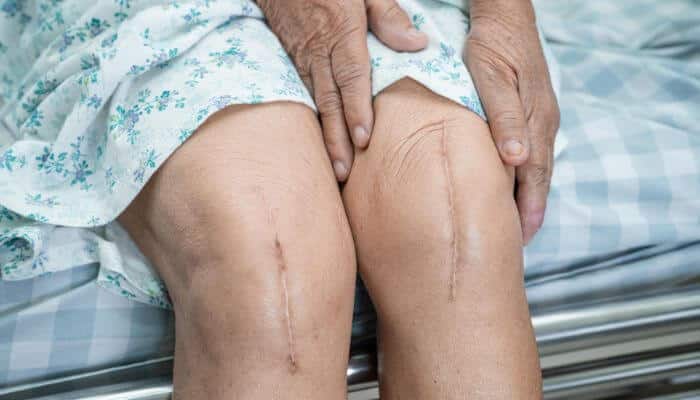
A small area of numbness near the incision is common and may remain permanent.
Dental Work and Antibiotics
Having an artificial knee does not automatically mean antibiotics are needed before every dental procedure.
Current American Dental Association guidance generally does not recommend routine prophylactic antibiotics solely to prevent prosthetic-joint infection. Patients with previous joint infections, immune suppression or other complex risks should seek individualized advice from their dentist and orthopedic surgeon.
5. Blood Clots Can Form in the Leg or Travel to the Lungs
Lower-limb surgery and temporary immobility increase the risk of deep vein thrombosis, or DVT.
A DVT is a blood clot that commonly forms in a deep vein of the calf or thigh. If part of the clot travels to the lungs, it can cause a potentially life-threatening pulmonary embolism.
Doctors reduce this risk through:
- Early walking
- Leg and ankle exercises
- Compression devices
- Blood-thinning medication
- Hydration
- Individual risk assessment
Blood thinners can also increase bruising or bleeding, so the medication and duration must be personalized.
Seek medical advice for new calf pain, one-sided swelling, redness, warmth or tenderness.
Obtain emergency help for sudden shortness of breath, chest pain, rapid heartbeat, fainting or coughing up blood.
6. Anesthesia and Major Medical Complications Are Possible
Knee replacement is a major operation. Although serious medical complications are uncommon, possible risks include:
- Heart attack
- Stroke
- Lung complications
- Abnormal heart rhythm
- Bleeding
- Blood transfusion
- Kidney problems
- Medication reactions
- Delirium or temporary confusion
- Anesthesia-related complications
Risk can be higher among patients with heart or lung disease, diabetes, anemia, kidney disease, frailty, smoking history or poorly controlled chronic conditions.
Preoperative testing cannot remove every risk, but it helps identify health problems that may require treatment or closer monitoring.
7. Nerves, Blood Vessels or Soft Tissues Can Be Injured
The knee is surrounded by nerves, blood vessels, tendons and ligaments that can be stretched, compressed or injured during surgery.
Possible effects include:
- Numbness or tingling
- Burning pain
- Muscle weakness
- Foot drop
- Reduced circulation
- Tendon or ligament problems
- Difficulty controlling the leg
Research has estimated clinically recognized nerve injury after total knee replacement at approximately 0.12% to 0.4%, although rates differ between studies.
Small numb areas near the incision are more common than major nerve injury. Serious nerve damage is rare, but recovery can take months and may be incomplete.
8. The New Knee Can Be Unstable or Develop Mechanical Problems
Another of the disadvantages of knee replacement surgery is that the artificial knee may become unstable or develop mechanical problems over time. A successful knee replacement depends on precise implant positioning, balanced ligaments and adequate muscle strength, so even small issues can affect comfort and mobility.
Possible mechanical problems include:
- Instability or knee buckling
- Poor implant alignment
- Patellar tracking problems
- Clicking or clunking sounds
- Pain during certain movements
- Difficulty climbing stairs
- Reduced confidence while walking
Occasional clicking without pain is often normal and does not necessarily indicate implant failure. However, painful clicking, repeated giving way, new swelling or worsening function should be evaluated by an orthopedic surgeon.
Treatment depends on the underlying cause and may include physical therapy, muscle strengthening, bracing, medication or, in some cases, additional surgery.
Robotic Surgery Does Not Remove the Risks
Some people believe robotic-assisted surgery eliminates the disadvantages of knee replacement surgery, but that is not the case. Robotic systems may improve surgical planning and implant positioning, yet they cannot eliminate risks such as infection, blood clots, persistent pain, stiffness, instability, implant wear or the need for revision surgery.
Current research suggests robotic-assisted procedures may improve certain alignment measurements. However, they have not consistently shown superior pain relief, function or patient satisfaction compared with conventional knee replacement.
Ultimately, the surgeon’s experience, careful surgical technique and a well-planned rehabilitation program have a greater influence on long-term outcomes than the use of robotic technology alone.
9. Implant Components Can Wear or Loosen
Artificial knees are durable but not permanent.
The plastic spacer may gradually wear, and implant components may loosen from the bone over time. Wear particles can also contribute to bone loss around the prosthesis.
AAOS reports that more than 90% of modern total knee replacements continue functioning well after 15 years. Many last 20 years or longer, but longevity varies.
Factors that may affect implant life include:
- Age at surgery
- Activity level
- Body weight
- Bone quality
- Implant design
- Alignment
- Infection
- Falls or trauma
Possible signs of wear or loosening include increasing pain, swelling, instability and reduced walking tolerance.
Younger patients may have a higher lifetime chance of revision because they are likely to live with the implant for more years.
10. Revision Knee Replacement May Eventually Be Necessary
Revision knee replacement repairs or replaces part or all of a previous implant.
Revision may be needed because of:
- Infection
- Implant loosening
- Wear
- Instability
- Stiffness
- Fracture
- Mechanical failure
- Persistent pain caused by an identifiable implant problem
Revision surgery is generally more complex than the first replacement because the surgeon must manage scar tissue and possible bone loss.
Compared with primary surgery, revision may involve:
- A longer operation
- More blood loss
- Greater infection risk
- More difficult rehabilitation
- Less predictable pain relief
- A higher risk of another revision
AAOS notes that revision total knee replacement is longer and more complicated and carries greater risks than primary replacement.
11. A Fracture Can Occur Around the Artificial Joint
A periprosthetic fracture is a broken bone next to an implant. It may occur during surgery or later after a fall, accident or weakening of the bone.
A large Danish study reported cumulative fracture rates of approximately:
- 0.4% at two years
- 0.8% at five years
- 1.7% at ten years
Risk may be higher among older adults and patients with osteoporosis or significant medical conditions.
Treatment may require restricted weight bearing, a brace, plates, screws, rods or revision surgery.
Maintaining balance, strength, safe footwear and a hazard-free home remains important after knee replacement.
12. The Knee May Never Feel Completely Natural
One of the disadvantages of knee replacement surgery is that the new knee may never feel exactly like a natural joint. Although most patients experience significant pain relief and better mobility, some continue to notice differences long after recovery.
You may continue to experience:
- Clicking or mechanical sounds
- Numbness around the surgical scar
- Difficulty kneeling
- A tight or heavy sensation
- Awareness of the implant
- Reduced knee bending
- Discomfort after strenuous activity
- Less confidence when walking on uneven ground
High-impact activities such as running and jumping are usually discouraged because they can increase stress on the implant and may contribute to wear or loosening over time. Lower-impact activities, including walking, swimming, cycling and golf, are generally recommended to help protect the artificial joint.
Kneeling After Knee Replacement
Many patients can kneel after knee replacement, but it may remain uncomfortable because of scar sensitivity, numbness, stiffness or concern about damaging the implant. This can affect everyday activities such as gardening, housework, religious practices, childcare and occupations that require working close to the floor.
If kneeling is important for your lifestyle or job, discuss this expectation with your orthopedic surgeon before surgery. Setting realistic expectations can help you better understand what a knee replacement is—and is not—likely to achieve.
Additional Practical Disadvantages
Beyond the medical risks, the disadvantages of knee replacement surgery can also affect your daily routine, finances and independence during recovery. Planning for these practical challenges in advance can make the rehabilitation process smoother.
1. Time Away From Work
The time needed to return to work varies depending on the type of job. People with desk-based roles may return sooner, while those whose work involves heavy lifting, prolonged standing, climbing, squatting or kneeling often need a longer recovery period before resuming full duties.
2. Dependence on Others
During the first few weeks after surgery, many patients need assistance with everyday tasks such as:
- Transportation
- Meal preparation
- Grocery shopping
- Bathing and personal care
- Medication management
- Medical appointments
Recovery can be more challenging for people who live alone, making it important to arrange support before surgery whenever possible.
3. Financial Costs
The overall cost of knee replacement often extends beyond the hospital bill. Additional expenses may include:
- Insurance deductibles and copayments
- Physical therapy
- Prescription medicines
- Walkers, crutches or other mobility equipment
- Home modifications
- Transportation to medical appointments
- Lost income during recovery
- Caregiver assistance
Understanding these potential costs ahead of time can help you plan your budget and reduce financial stress while recovering.
Who Has a Higher Risk of Complications?
Not everyone faces the same level of risk. While the disadvantages of knee replacement surgery can affect any patient, certain health conditions and lifestyle factors may increase the likelihood of complications or make recovery more challenging.
Risk factors may include:
- Poorly controlled diabetes
- Smoking or nicotine use
- Anemia
- Severe obesity
- Malnutrition
- Heart, lung or kidney disease
- Previous blood clots
- Active infection
- Previous knee surgery
- Osteoporosis
- Long-term opioid use
- Severe knee stiffness before surgery
- Poor physical conditioning
- Limited home or caregiver support
Having one or more of these risk factors does not automatically mean knee replacement is unsuitable. Instead, it may indicate the need for additional preparation, medical treatment or closer monitoring before and after surgery to improve safety and recovery outcomes.
How to Reduce the Risks of Knee Replacement Surgery

Although the disadvantages of knee replacement surgery cannot be completely avoided, careful preparation and following your surgeon’s advice can significantly reduce the risk of complications and support a smoother recovery.
Before Surgery
Take these steps to prepare for the best possible outcome:
- Review all medicines and supplements with your healthcare team.
- Improve control of diabetes and other chronic health conditions.
- Stop smoking or using nicotine products.
- Treat anemia, poor nutrition and any active infections.
- Complete prescribed strengthening and flexibility exercises.
- Prepare your home by removing fall hazards.
- Arrange transportation and support during recovery.
- Discuss any history of blood clots or medication reactions with your surgeon.
After Surgery
Following your recovery plan is just as important as the operation itself. Be sure to:
- Take blood-clot medication exactly as prescribed.
- Begin safe movement and walking when instructed.
- Complete rehabilitation and home exercises consistently.
- Keep the surgical wound clean and dry.
- Avoid smoking and unapproved high-impact activities.
- Attend all scheduled follow-up appointments.
- Report increasing pain, fever, drainage, instability or unusual swelling to your healthcare team promptly.
While no surgery is entirely risk-free, good preparation, consistent rehabilitation and early attention to warning signs can greatly improve recovery and long-term results.
When Should Knee Replacement Surgery Be Delayed?
Understanding the disadvantages of knee replacement surgery also means knowing when it may be safer to postpone the procedure. While unnecessary delays can prolong pain and reduce mobility, a short postponement may be beneficial if certain medical conditions should be treated first.
When moderate-to-severe arthritis has not improved with appropriate nonsurgical treatment and knee replacement is clinically recommended, continuing ineffective treatments may provide little additional benefit. However, surgeons may advise delaying the operation until specific health concerns are better managed.
Temporary postponement may be appropriate if you have:
- An active infection
- An open wound near the surgical area
- Poorly controlled diabetes
- Significant untreated anemia
- Unstable heart or lung disease
- A recent serious medical event
- Active smoking or nicotine use
- Medications that require coordinated management
- Insufficient home or caregiver support for a safe recovery
Patients should not set their own blood sugar, weight or medication goals before surgery. These decisions should be made with the orthopedic surgeon and the wider medical team to ensure the safest possible outcome.
Delaying surgery for the right medical reasons can improve safety and recovery, while avoiding unnecessary delays may help restore mobility and quality of life sooner.
What If Both Knees Need Replacement?
For some people, arthritis affects both knees so severely that replacing both joints becomes an option. Understanding the disadvantages of knee replacement surgery also includes knowing the differences between simultaneous and staged bilateral knee replacement, as each approach has its own benefits and risks.
Simultaneous Bilateral Knee Replacement
In this approach, both knees are replaced during the same operation.
Potential advantages:
- One hospital stay
- One anesthesia procedure
- One combined rehabilitation period
Potential disadvantages:
- Greater physical stress on the body
- Increased blood loss
- Higher likelihood of needing a blood transfusion
- More challenging early recovery because both knees are healing at the same time
Staged Bilateral Knee Replacement
With staged surgery, each knee is replaced in a separate operation scheduled weeks or months apart.
Potential advantages:
- Lower immediate physical burden
- One stronger leg remains available during recovery
- Rehabilitation may feel more manageable for some patients
Potential disadvantages:
- Two separate operations
- Two recovery periods
- More total time away from work and daily activities
A 2025 meta-analysis involving more than 567,000 patients found that simultaneous bilateral knee replacement was associated with higher odds of blood transfusion, neurological complications and first-year mortality. However, it was also linked to lower reoperation rates and reduced overall hospital costs in the studies analyzed.
The best choice depends on factors such as your age, overall health, physical fitness, personal goals and the availability of caregiver support. An orthopedic surgeon can help determine which approach is likely to provide the safest and most effective outcome for your situation.
When Can the Benefits Outweigh the Disadvantages?
The disadvantages of knee replacement surgery should be compared with the pain, disability and loss of independence caused by the untreated condition.
Benefits may outweigh the risks when severe arthritis:
- Causes pain at rest or at night
- Significantly limits walking
- Makes stairs and daily activities difficult
- Interferes with sleep or work
- Causes progressive deformity
- Has not responded adequately to nonsurgical care
- Substantially reduces quality of life
The decision should not be based only on an X-ray, age or arthritis score. Symptoms, health, treatment history, personal priorities and realistic expectations all matter.
A useful question to ask is:
Are the expected improvements in pain and mobility worth my individual surgical and recovery risks?
Alternatives to Total Knee Replacement
Before deciding on surgery, it’s worth exploring whether other treatments may relieve your symptoms. Depending on the cause and severity of arthritis, some alternatives can reduce pain, improve mobility and delay the disadvantages of knee replacement surgery, although they may not provide a permanent solution.
1. Therapeutic Exercise
A structured exercise program can strengthen the muscles around the knee, improve joint stability and increase mobility. Low-impact activities such as walking, cycling and swimming are often recommended because they place less stress on the joint.
2. Weight Management
For people who are overweight, losing weight can reduce pressure on the knee, ease pain and improve daily function. Even modest weight loss may help reduce symptoms in some patients.
3. Pain Medication
Topical or oral anti-inflammatory medicines may provide temporary pain relief when medically appropriate. However, NSAIDs are not suitable for everyone, particularly those with certain kidney, stomach, heart or bleeding conditions.
4. Walking Aids and Braces
A cane, walker or properly fitted knee brace may improve stability, reduce pressure on the affected part of the joint and make everyday activities more comfortable.
5. Corticosteroid Injections
Corticosteroid injections may provide short-term pain relief by reducing inflammation, but they do not repair damaged cartilage. If knee replacement is being considered, the timing of an injection should be discussed with an orthopedic surgeon.
6. Partial Knee Replacement
If arthritis is limited to a single compartment of the knee, partial knee replacement may be an option.
Potential benefits include:
- A smaller operation
- Faster early recovery
- A knee that may feel more natural
However, arthritis can later develop in the remaining parts of the knee, and some patients eventually require a total knee replacement.
7. Other Surgical Options
Depending on your age, knee alignment and the location of the arthritis, certain patients may be candidates for osteotomy or other joint-preserving procedures that help delay total knee replacement.
While these treatments may help some people postpone surgery, they are not appropriate for everyone. If symptoms continue despite appropriate nonsurgical care, discussing the disadvantages of knee replacement surgery alongside its potential benefits with an orthopedic surgeon can help determine the most suitable treatment for your individual needs.
Questions to Ask an Orthopedic Surgeon
Before scheduling surgery, ask:
- What is causing my knee pain?
- Is total or partial replacement more appropriate?
- What happens if I delay surgery?
- Which nonsurgical options remain reasonable?
- What improvement can I realistically expect?
- What is my personal infection and blood-clot risk?
- How will complications be prevented?
- What activities will be restricted afterward?
- How much rehabilitation will I need?
- What support will I need at home?
- When can I drive and return to work?
- What symptoms require urgent medical attention?
Warning Signs After Knee Replacement
Contact the surgical team urgently for:
- Fever or chills
- Increasing redness, warmth or drainage
- Sudden increase in pain
- New calf swelling or tenderness
- Loss of movement after improvement
- Repeated buckling
- A fall followed by severe pain
- Inability to bear weight
Seek emergency care for:
- Sudden difficulty breathing
- Chest pain
- Fainting
- Coughing up blood
- Severe uncontrolled bleeding
- Sudden weakness, confusion or stroke-like symptoms
Conclusion
The disadvantages of knee replacement surgery include a painful recovery, persistent pain, stiffness, infection, blood clots, nerve injury, implant wear and the possibility of revision surgery. Patients may also experience difficulty kneeling, activity restrictions, financial costs and temporary dependence on caregivers.
These risks do not mean knee replacement is inappropriate. Many patients obtain meaningful pain relief and improved mobility, and most modern implants continue functioning well for many years.
The best decision depends on the severity of symptoms, overall health, previous treatment, personal goals and whether the expected benefits outweigh the individual risks.
Anyone considering surgery should discuss the disadvantages of knee replacement surgery with a qualified orthopedic surgeon who can explain likely outcomes, alternatives and personalized complication risks.
Disadvantages of Knee Replacement Surgery FAQs
1. Are the disadvantages of knee replacement surgery permanent?
No. Many disadvantages, such as pain, swelling and limited mobility, improve during recovery. However, some people may continue to experience stiffness, numbness or an artificial feeling in the knee.
2. Do the disadvantages of knee replacement surgery increase with age?
Older adults may have a higher risk of certain complications because of other medical conditions, but age alone does not determine whether knee replacement will be successful.
3. Can exercise reduce the disadvantages of knee replacement surgery?
Yes. Following a structured rehabilitation program can improve strength, flexibility and balance, helping reduce stiffness and improve long-term knee function.
4. Are the disadvantages of knee replacement surgery different for younger patients?
Younger patients often recover well but may have a greater lifetime chance of needing revision surgery because their artificial knee is likely to experience more years of use.
5. Can weather changes make an artificial knee uncomfortable?
Some patients report increased stiffness or discomfort during cold or damp weather, although research has not consistently confirmed a direct link.
6. Are the disadvantages of knee replacement surgery the same for men and women?
Most risks are similar, but individual outcomes depend more on overall health, bone quality, body weight and rehabilitation than on sex alone.
7. Can you travel by airplane after knee replacement surgery?
Yes. Most patients can travel after recovery, although recent surgery may temporarily increase blood clot risk. Follow your surgeon’s advice regarding travel timing and precautions.
8. How long does it take before the disadvantages of knee replacement surgery improve?
Many early disadvantages improve within the first three months, but swelling, strength and overall function may continue improving for up to a year after surgery.
