




If you are struggling with joint pain, then you know exactly how that can make even the most ordinary parts of the day feel extremely demanding. Walking the dog can become difficult. Going up the stairs or carrying groceries can be an ordeal. Even simply getting out of a chair can be hard, and it can become a thing you think about before you actually do it, which is not the default for everyone. Here are some causes and treatment options for joint pain you should know about.
When dealing with joint pain, you may find it tempting to either push through every ache, or to stop moving altogether in order to avoid the pain. The truth is, though, that neither one of those approaches is useful. The good news, however, is that a lot of those milder and short-term joint symptoms often respond quite well to sensible home care. So, you have the task of supporting the joint without ignoring the signs that it needs medical attention.
Southern Pain and Spine Specialists, a pain management clinic serving Charlotte and the surrounding area, encourages a kind of a patient-centered approach to this kind of pain. And that kind of an approach begins with understanding your symptoms, and then taking the practical steps that fit your specific situation. We have talked to these professionals, and we have gathered some DIY tips for joint pain that they have shared. Read on to get the clinician advice, and possibly learn about some things that you can do in order to get some relief if you’re dealing with joint aches.
Giving Your Joints a Break Is Important
You have most likely heard already that rest is important. But that doesn’t mean that you have to stay completely still for days. The idea is for you to temporarily avoid or scale back those activities that are triggering your pain. For instance, if running triggers pain, you may want to take a short break, as that will prevent the irritated joint from being loaded over and over again. It will prevent the issue from becoming even more serious.
This, however, does not mean that you should treat your sofa as a long-term treatment plan. After all, you probably know that prolonged inactivity can also lead to weakness, stiffness, as well as even more discomfort once you start moving again. So, instead of being completely inactive, try to choose some more gentle activities that won’t worsen the pain. If you’re dealing with arthritis, for example, you can read more at https://www.cdc.gov/arthritis/prevention/index.html about its relationship with physical activity.
Sometimes You Need Cold, Sometimes You Need Heat
There are different reasons behind joint pain, and different situations call for, obviously, different solutions. Cold packs, for instance, can be extremely helpful soon after a minor strain, twist, or a flare-up that has left the area warm and swollen. Using a cold pack wrapped in a thin towel for short sessions at a time can make the joint feel much less sore, as well as help you manage the swelling.
On the other hand, heat may be a good option for stiffness, as well as tightness in the surrounding muscles. Plus, it is a good idea for some longstanding aches that aren’t really associated with new swelling. Warm showers or heating pads can help loosen you up before gentle movement.
Keep the Joint Moving
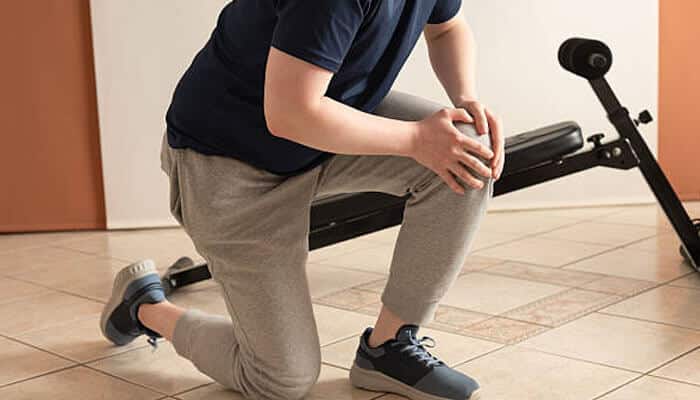
Stiffness can certainly create a kind of a frustrating cycle. Basically, the pain begins, and you start moving less and less. And then, moving less can make the joint feel even tighter. This is why gentle mobility is important, as it can help interrupt such an ineffective pattern.
The right movements will depend on the actual joint involved, but the principle is pretty much the same. You should move within a comfortable range of motion, and you should avoid forcing some painful stretches. Start with a modest goal. Even a few minutes done consistently are better than no activity at all. And that consistency is much more useful than, say, one aggressive session that then leaves you sore for a couple of days.
Support the Muscles Around the Joint
Your muscles will help absorb force and stabilize your joints, and that is common knowledge. So, when pain causes you to stop using an arm, a leg, or your shoulder for a long period of time, it is also not uncommon for the muscles to lose strength as well. This can undoubtedly make everyday movement feel much harder, and place much more stress on the sensitive area.
So, supporting the muscles around the affected joint is important. As Southern Pain and Spine Specialists share, some simple strengthening exercises can do wonders for you, after the acute injury has settled, of course. Or after a clinician has said that those are appropriate. You can do calf raises, chair stands, light resistance-band work, as well as some basic balance exercise. This is certainly not a universal prescription, but the bottom line is that strength exercises can be of great help, as long as you do them with a good form and at a level that does not further worsen your aches.
Try to Make Small Changes to Your Everyday Tasks
Joint care is definitely not limited to exercise. If you make just a few adjustments to your daily routine, that can reduce repeated irritation. For instance, you may want to start wearing only shoes that fit well and that provide stable support for walking. Then, start using both hands to carry heavier objects whenever that is possible, and hold the loads close to your body. And, naturally, always break long tasks into shorter sessions, instead of trying to finish it all at once.
Be Careful With Medication
Finally, you should understand that some over-the-counter pain relievers can help with the pain and discomfort, but that they are not risk-free. This means that you should not rely solely on them in the long run. On top of that, you should also be able to notice when home measures are not enough, and when getting professional care is necessary.
