


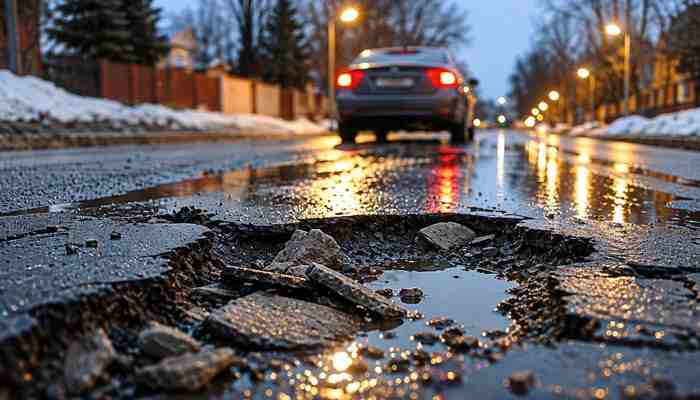

A pothole deep enough to blow a tire or throw a vehicle out of control raises an obvious question: can the city be held responsible? A claim tied to a road defect works differently than a claim against another driver, since public entities in Colorado operate under a different set of rules than private citizens do.
Understanding those rules, and where they leave room for a claim, is often the first step before speaking with a Denver personal injury attorney about what happened.
Is the City Fully Protected From Pothole Claims?
Not entirely. Colorado, like many states, extends legal protection to government entities called governmental immunity, and under it, a city generally cannot be sued the way a private property owner can. That protection is broad, but not absolute, and road conditions are one of the specific situations where a claim against a government entity can still move forward.
What Is the Colorado Governmental Immunity Act?
A dangerous condition on a public road, street, or highway falls within one of those categories, which is why a pothole crash can sometimes lead to a viable claim against a city like Denver, depending on the facts involved.
What Counts as a “Dangerous Condition” on a Denver Street?
Not every rough patch of pavement qualifies. Generally, the defect has to physically interfere with safe travel on the traveled portion of the road. Examples include:
- A pothole large or deep enough to damage a tire, wheel, or suspension
- Crumbling or heaving pavement that creates a sudden drop or rise
- Pavement failures linked to drainage problems or freeze-thaw cycles
A pothole alone does not, by itself, create liability. It generally has to be significant enough to count as dangerous under the law, not simply an inconvenience.
Does It Matter Whether Denver Knew About the Pothole?
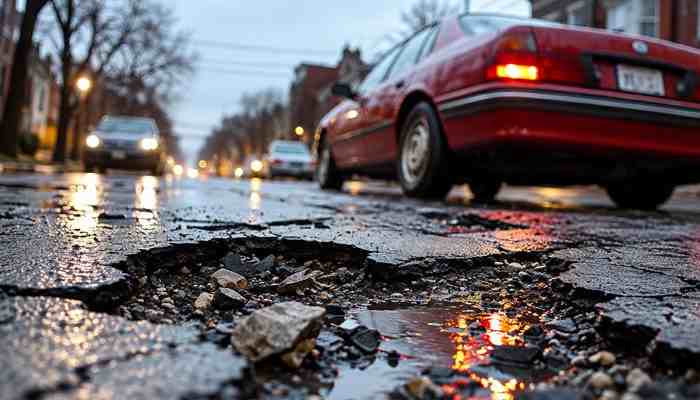
Often, yes. A claim for a road defect generally involves showing the entity knew, or should have known, about the condition and had a chance to address it. Relevant questions include:
- How long the pothole appeared to have existed
- Whether it had already been reported through a city complaint system
- Whether routine inspection or maintenance should have caught it
A defect that formed the same day as a crash presents a very different situation than one that had been sitting, reported, for weeks.
How Much Time Is There to Notify the City After a Crash?
This is where the process differs sharply from a claim against another driver. Colorado law requires anyone planning to bring a claim against a government entity, including the City and County of Denver, to send written notice within roughly 180 to 182 days of the incident, depending on the source consulted. That window runs separately from private-party deadlines, and it is short enough that missing it can end a claim before it starts.
What Has to Be Included in That Notice?
The written notice generally needs to identify:
- The name and address of the person making the claim
- A factual description of what happened, including date, time, and location
- The name of any public employee involved, if known
- A statement describing the type of harm and the compensation being sought
The notice also has to reach the correct department within the government entity involved. A notice sent to the wrong office, or missing required details, can create problems even when filed within that roughly six-month window.
What Can Get in the Way of a Pothole Claim Against the City?
Recurring issues that can complicate these claims:
- Uncertainty over which entity is responsible, since some Denver roads fall under city jurisdiction while others are maintained by the state
- A missed or incomplete notice of claim
- Disagreement over whether the city had notice of the defect beforehand
- Comparative negligence, where a driver’s own actions during the crash may reduce what can be recovered, depending on how fault is divided
Each of these can shape whether a claim moves forward, which is why road-defect claims tend to be more technical than a typical crash claim.
What Should Someone Do Right After a Pothole Crash in Denver?
A few steps can help preserve a claim while the short notice window is still open:
- Photograph the pothole or road defect from multiple angles, along with the surrounding area
- Note the exact location, including the nearest cross street or address
- Photograph vehicle damage before any repairs happen
- Seek medical attention and keep records of any treatment
- Collect contact information for any witnesses
Because government claims move on a stricter timeline than many personal injury matters, acting early tends to matter more here than elsewhere. Sorting out jurisdiction, notice, and proof of a dangerous condition within a matter of months can get complicated, which is often why these situations get reviewed by someone familiar with Colorado’s governmental immunity rules.
CGH Injury Lawyers
2701 Lawrence St Ste 201, Denver, CO 80205
(720) 669-8062
how to embed a MAP: —-2a. Paste it in the Block Editor (Gutenberg)
Open the post and click + where you want the map.
Search for Custom HTML and add that block.
Paste the iframe code.
Click Preview in the block toolbar to check it, then Update or Publish.
2b. Paste it in the Classic Editor
Switch to the Text tab, not Visual.
Paste the iframe where you want the map.
Update the post. Switching back to Visual can sometimes strip the iframe, so stay in Text mode for that edit.
